Simplicity   >   Sewing Tutorials   >   How-to Sew: Understanding a Pattern Envelope

How-To Sew

Understanding the Pattern Envelope

Duration8:02

Understanding a sewing pattern envelope involves reading the front for the design options and style number, while the back provides essential details like fabric recommendations, sizing, notions, and fabric yardage. This information helps you choose the right materials and size to successfully complete your sewing project.

DOWNLOAD INSTRUCTIONS IN

Learning in another language?

You can change the video caption language in your YouTube settings. Click here to learn how.

Tips to Remember

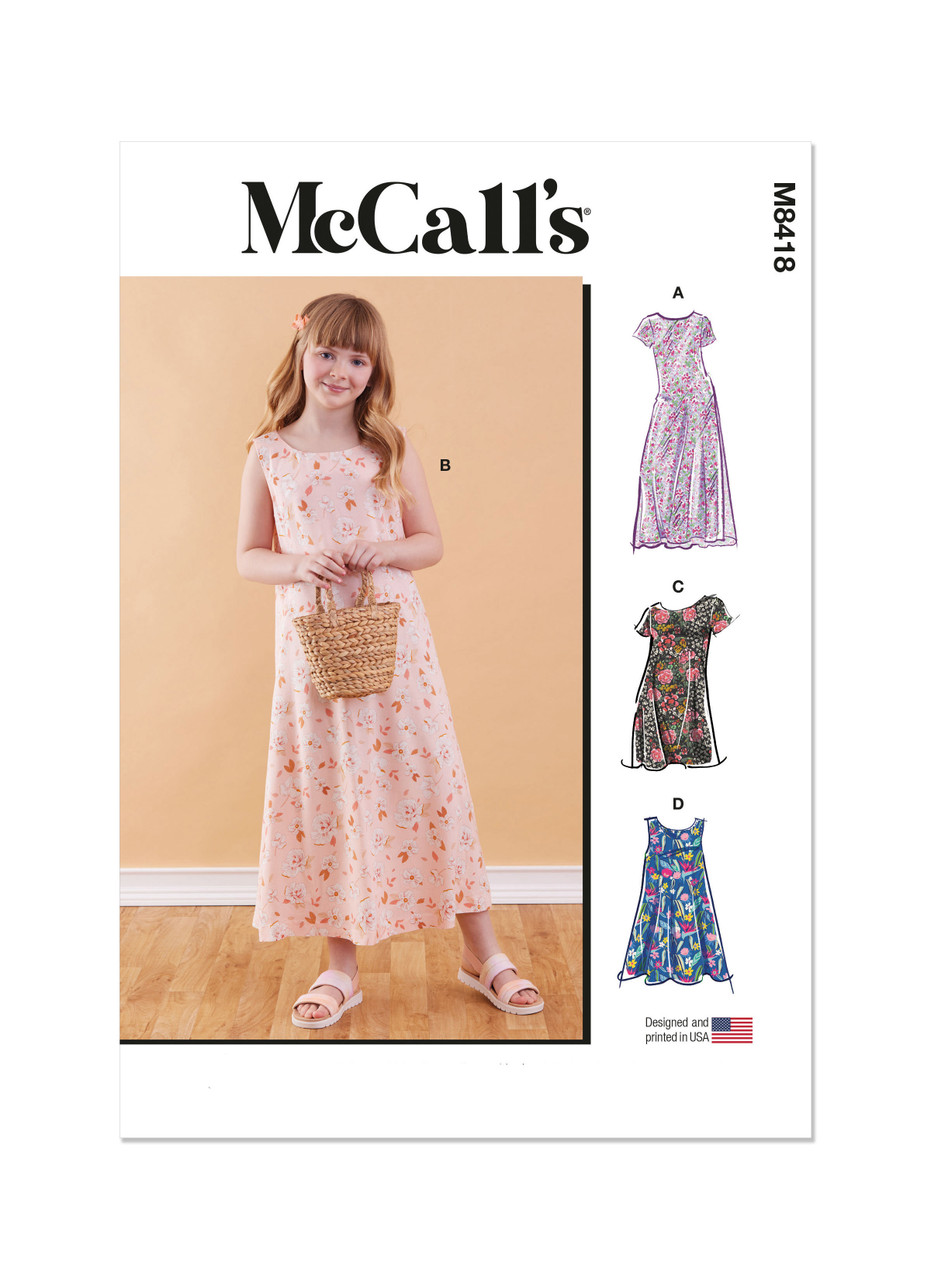
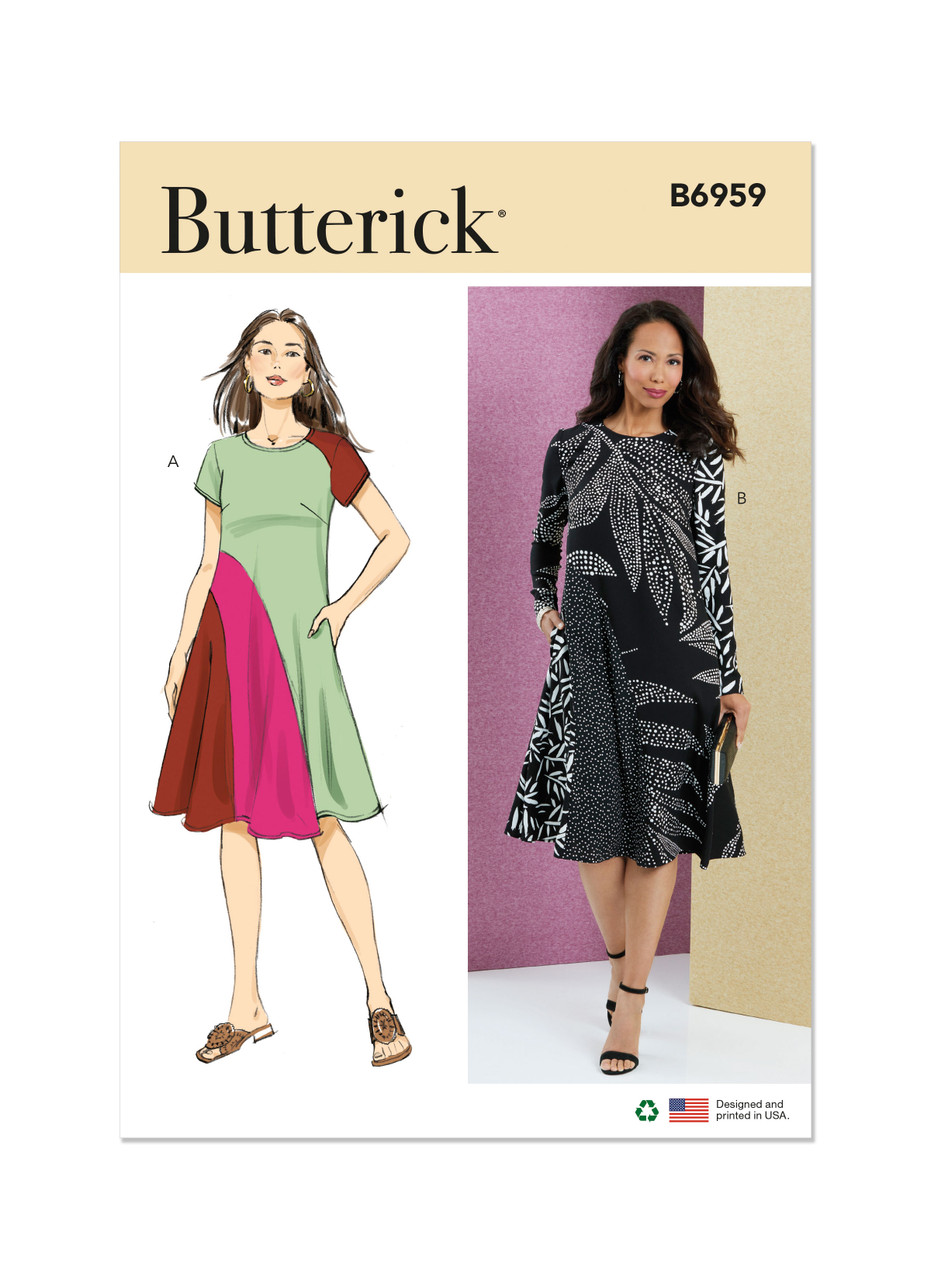
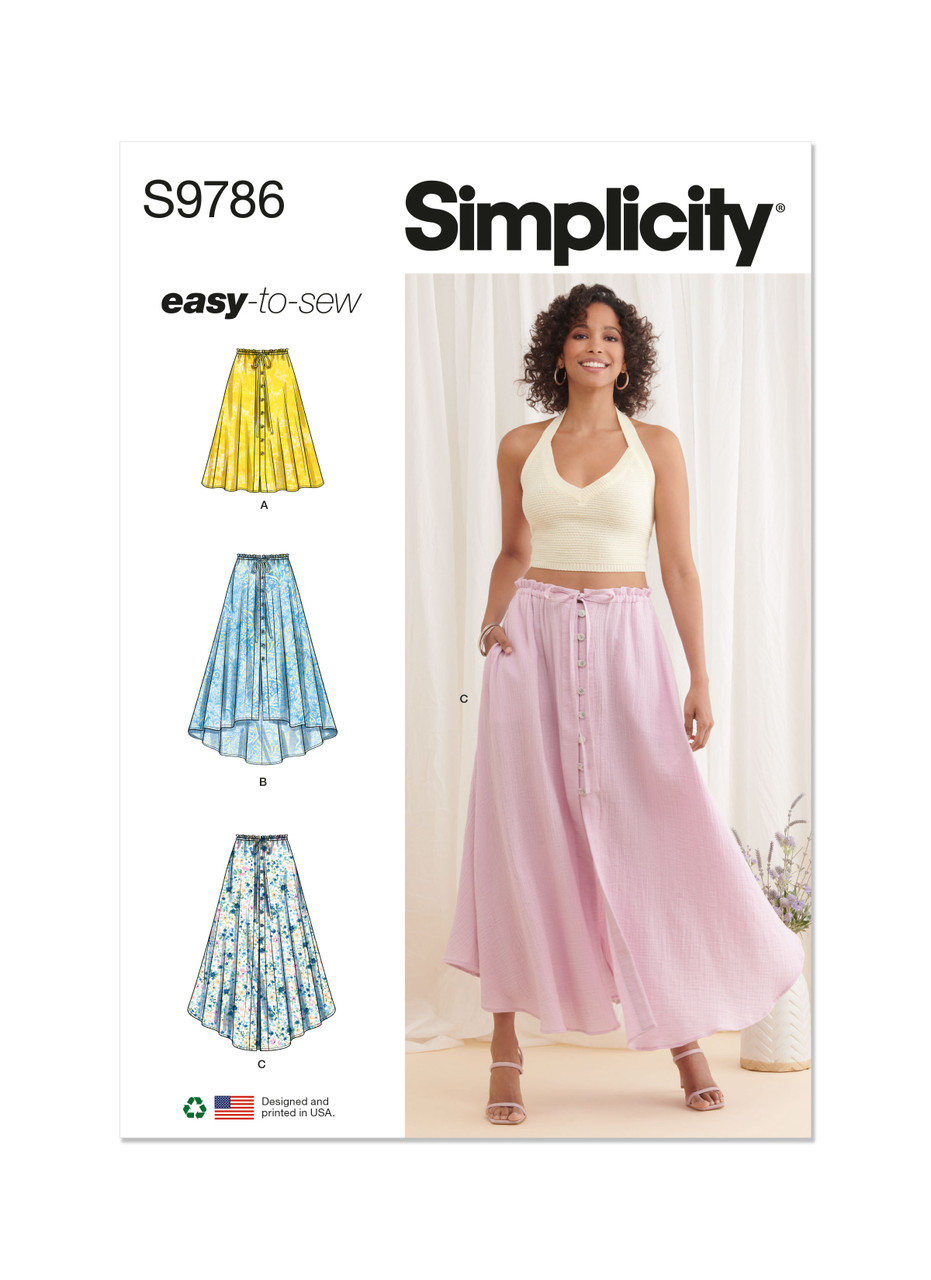
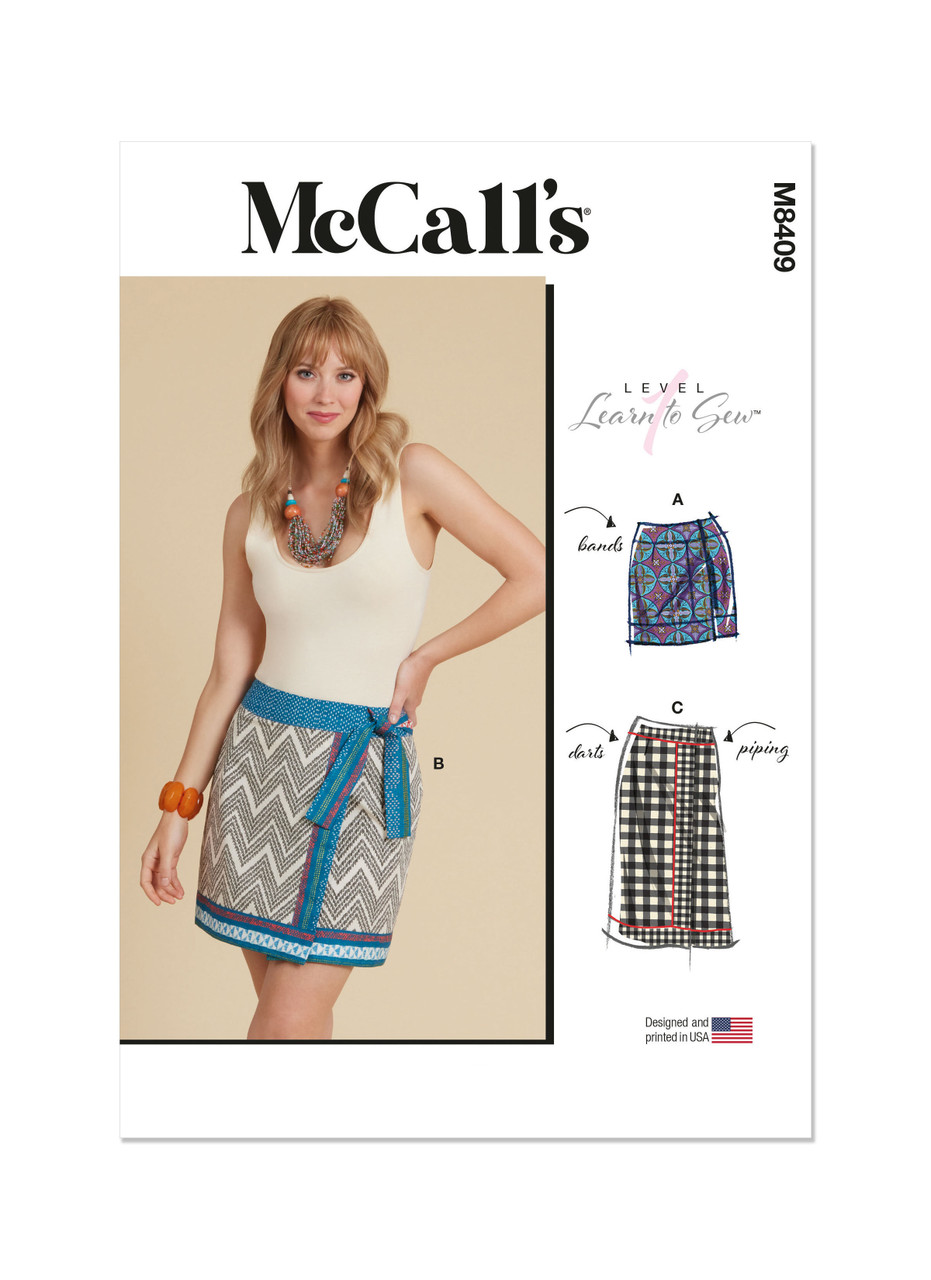
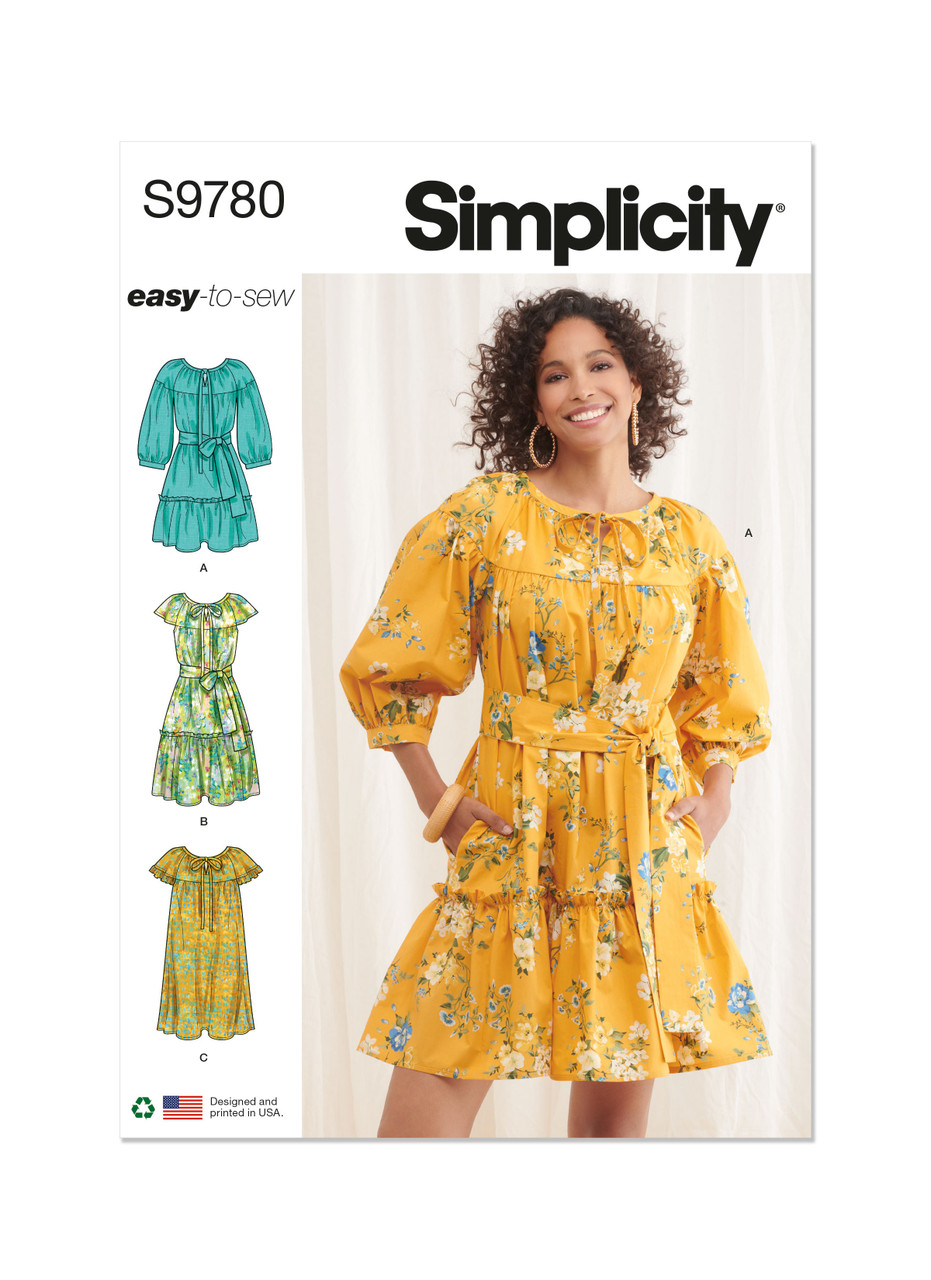
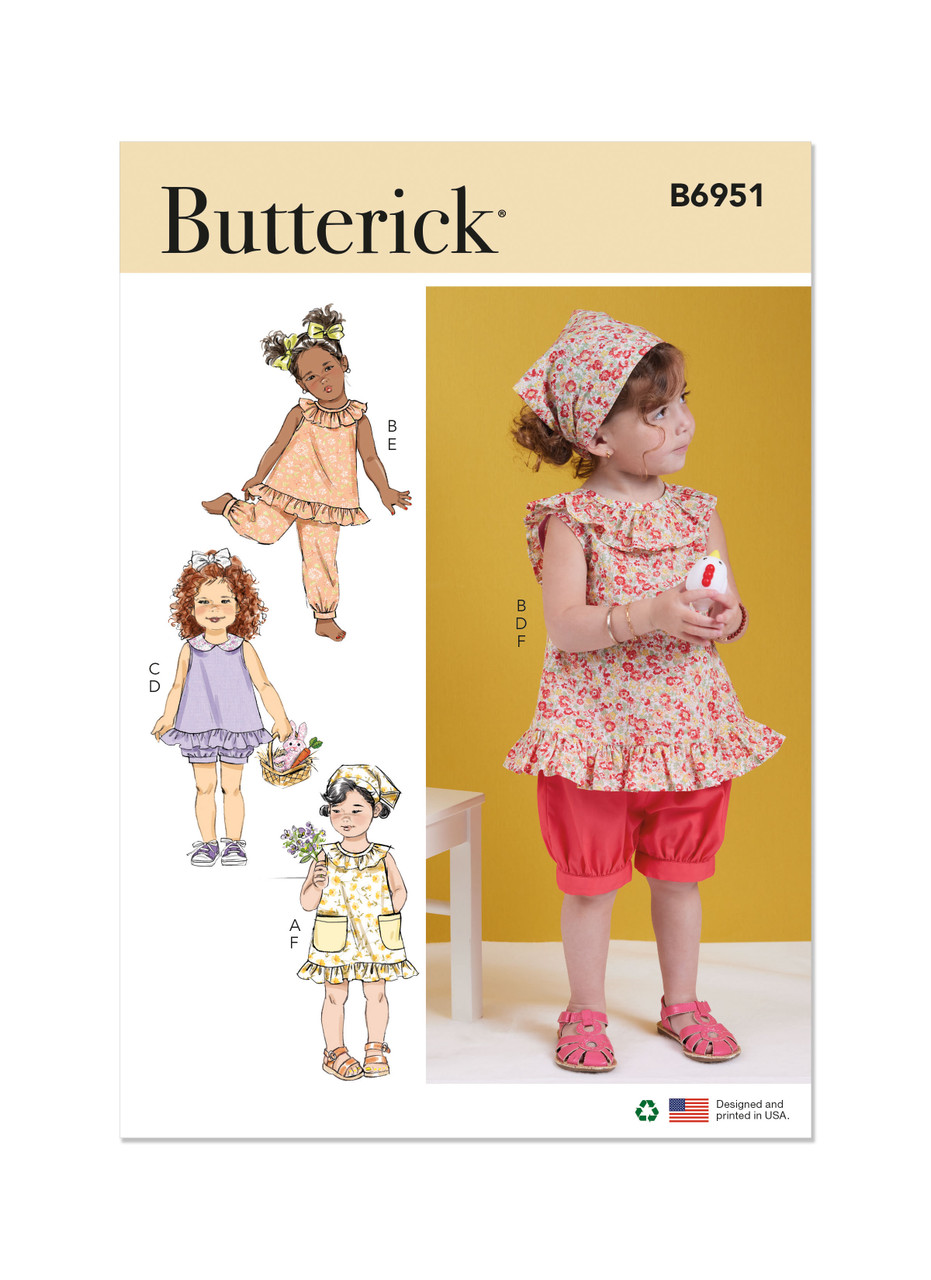
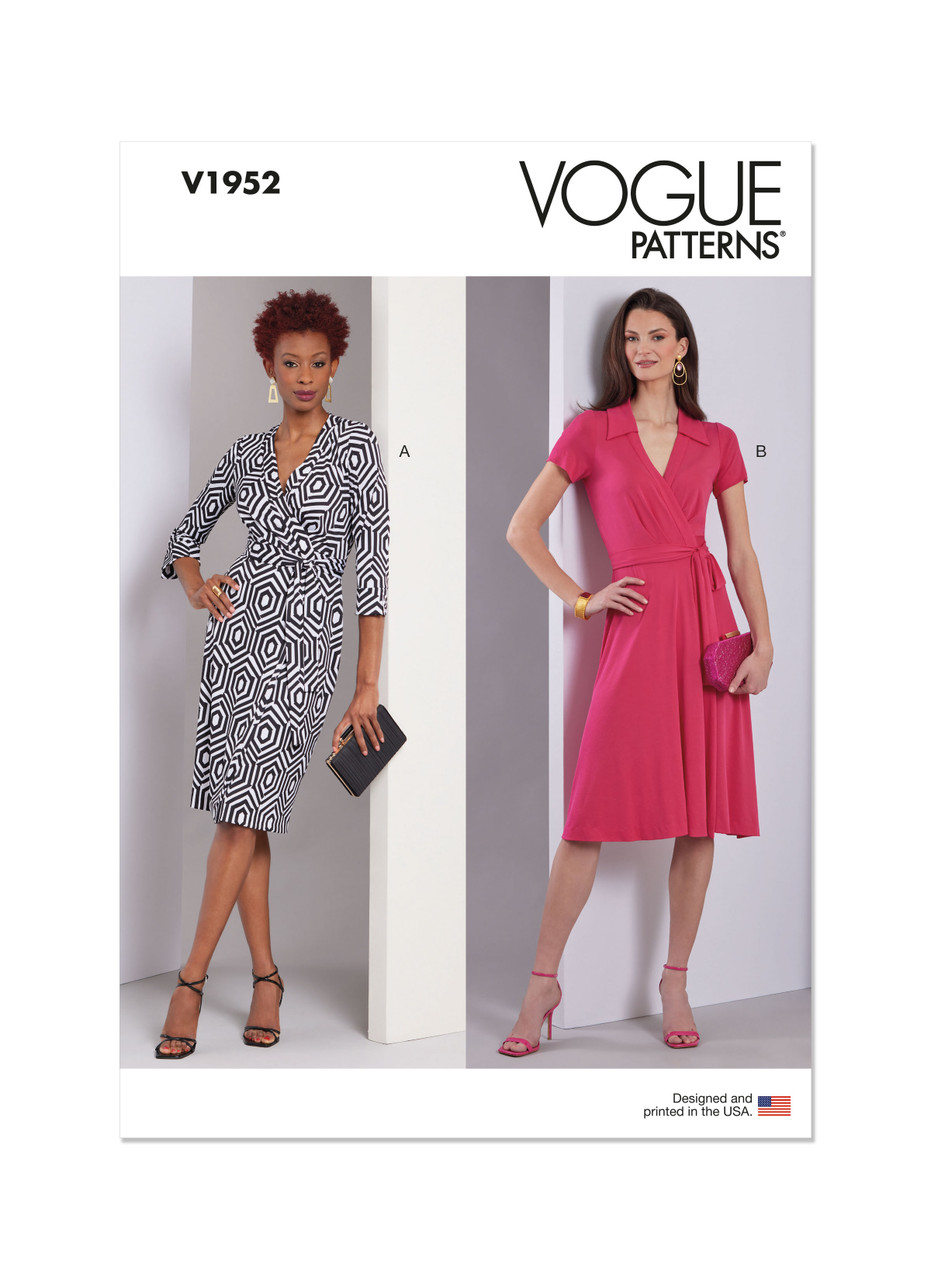
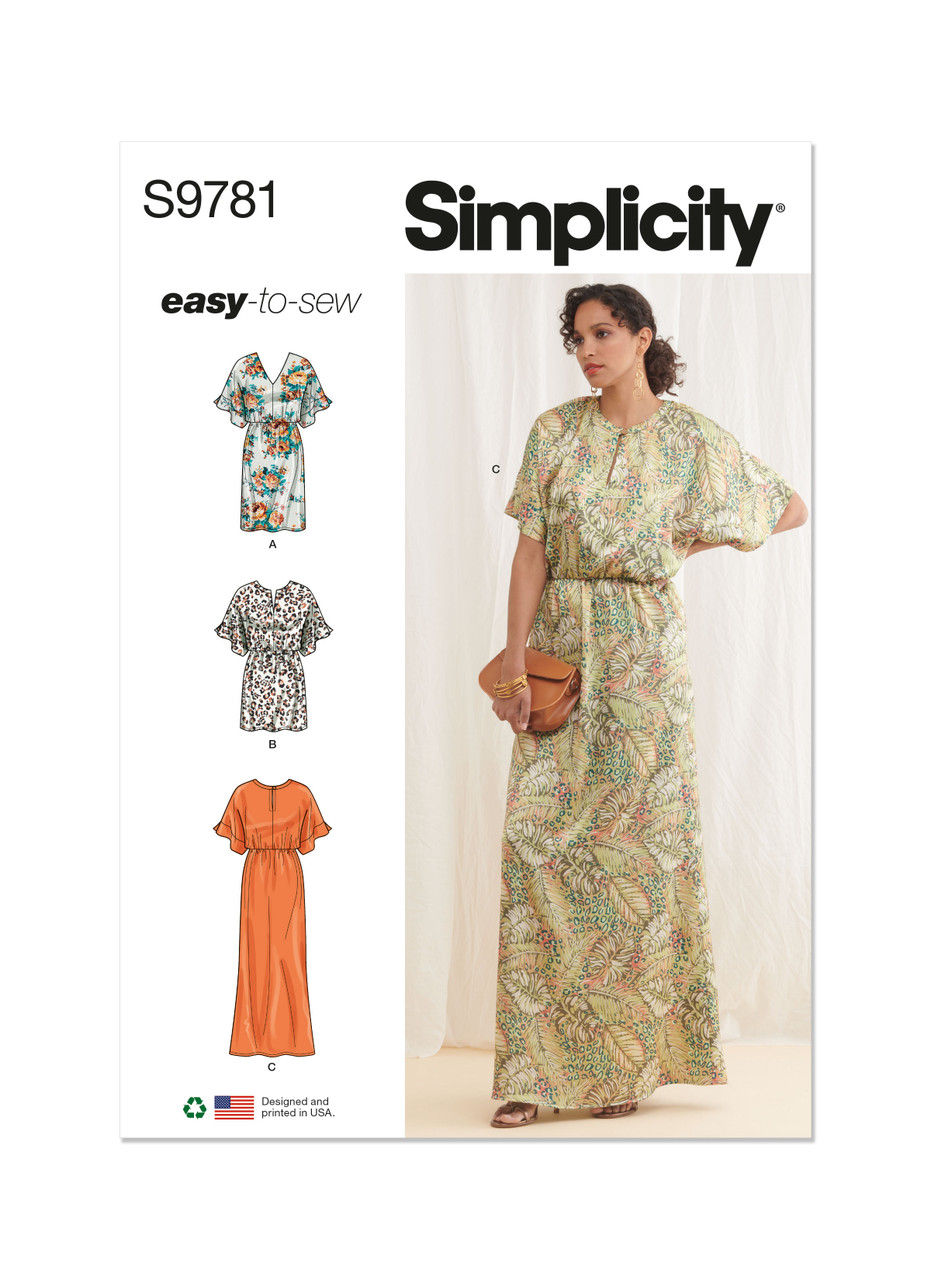
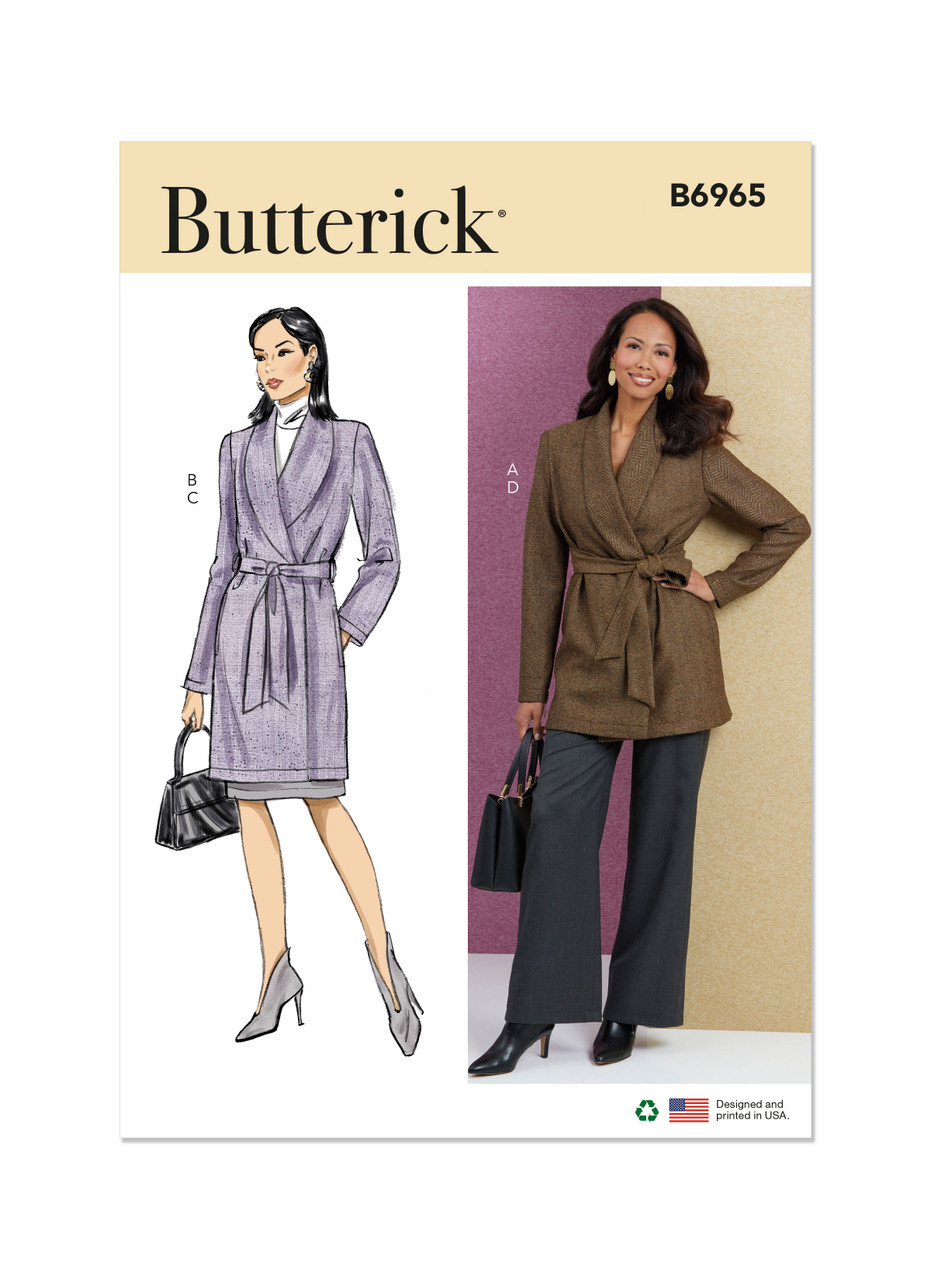
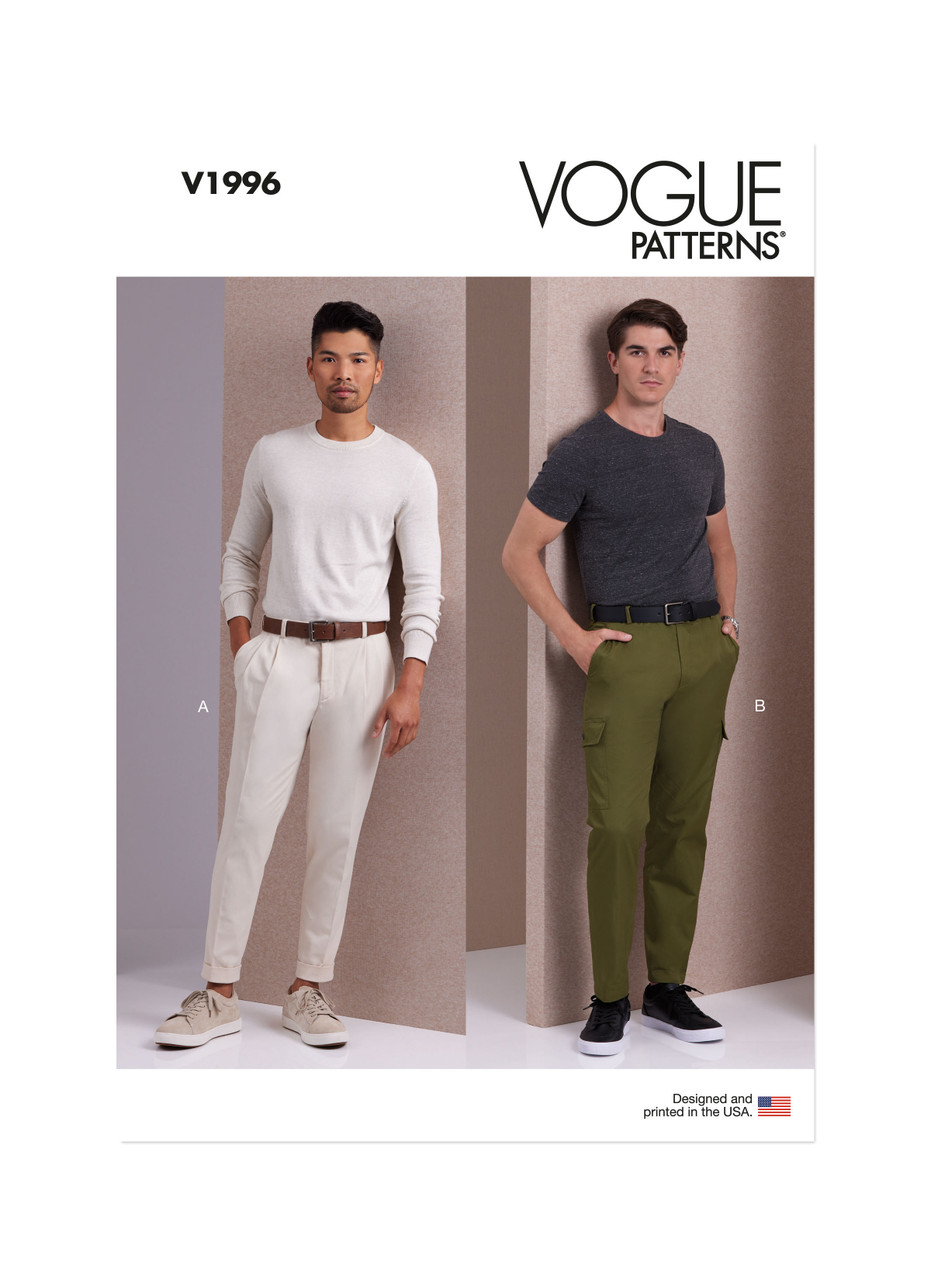
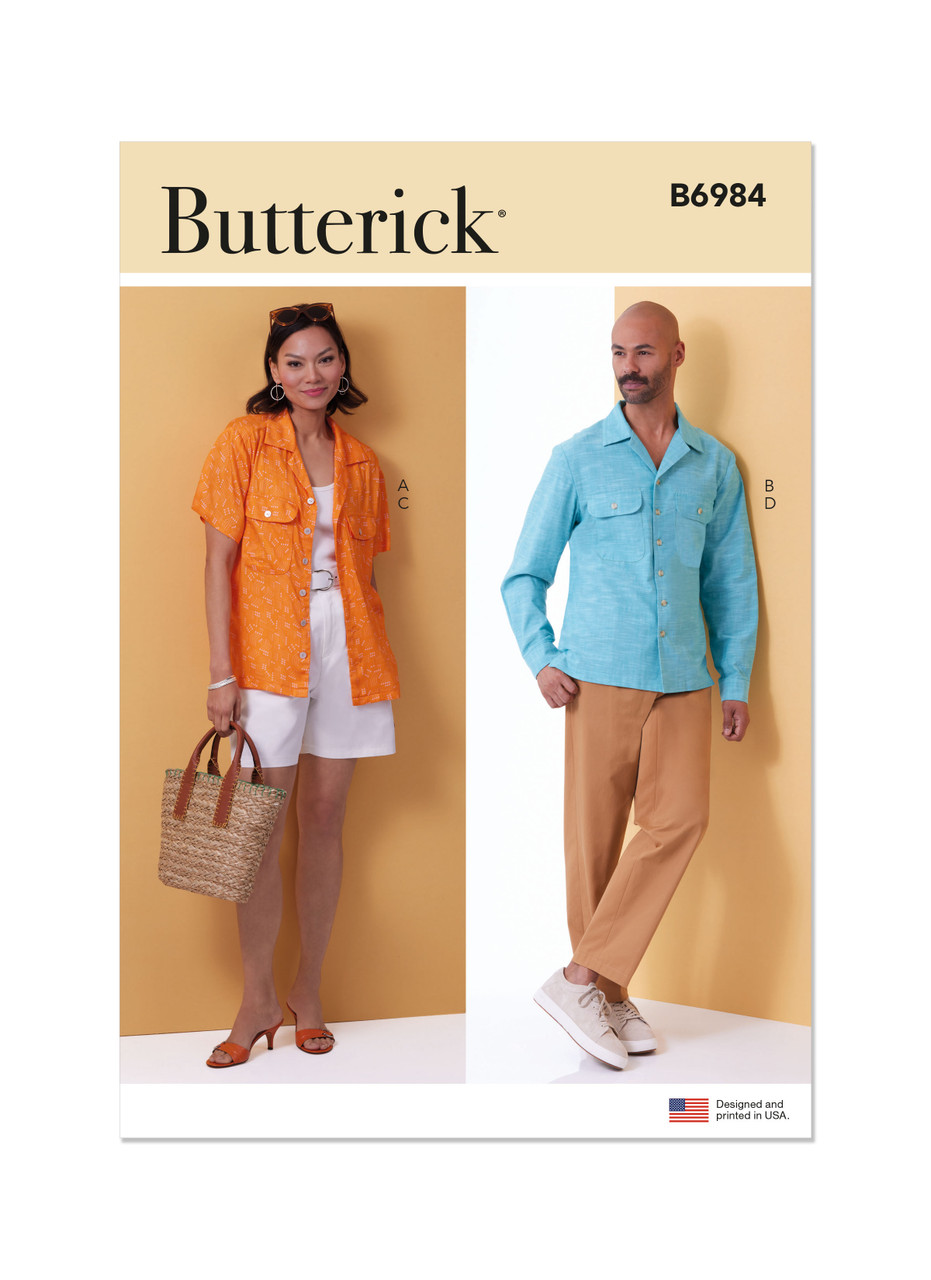
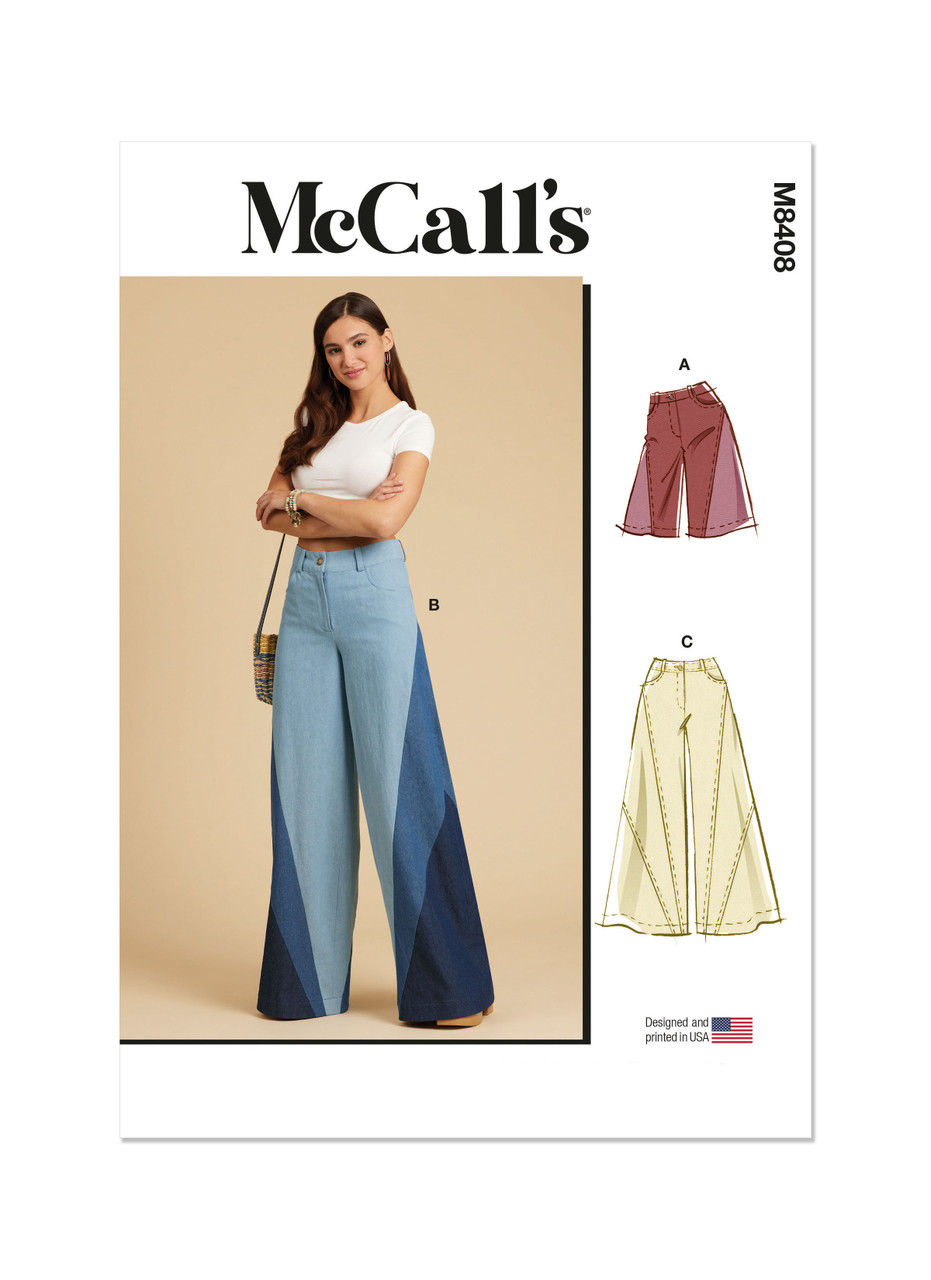
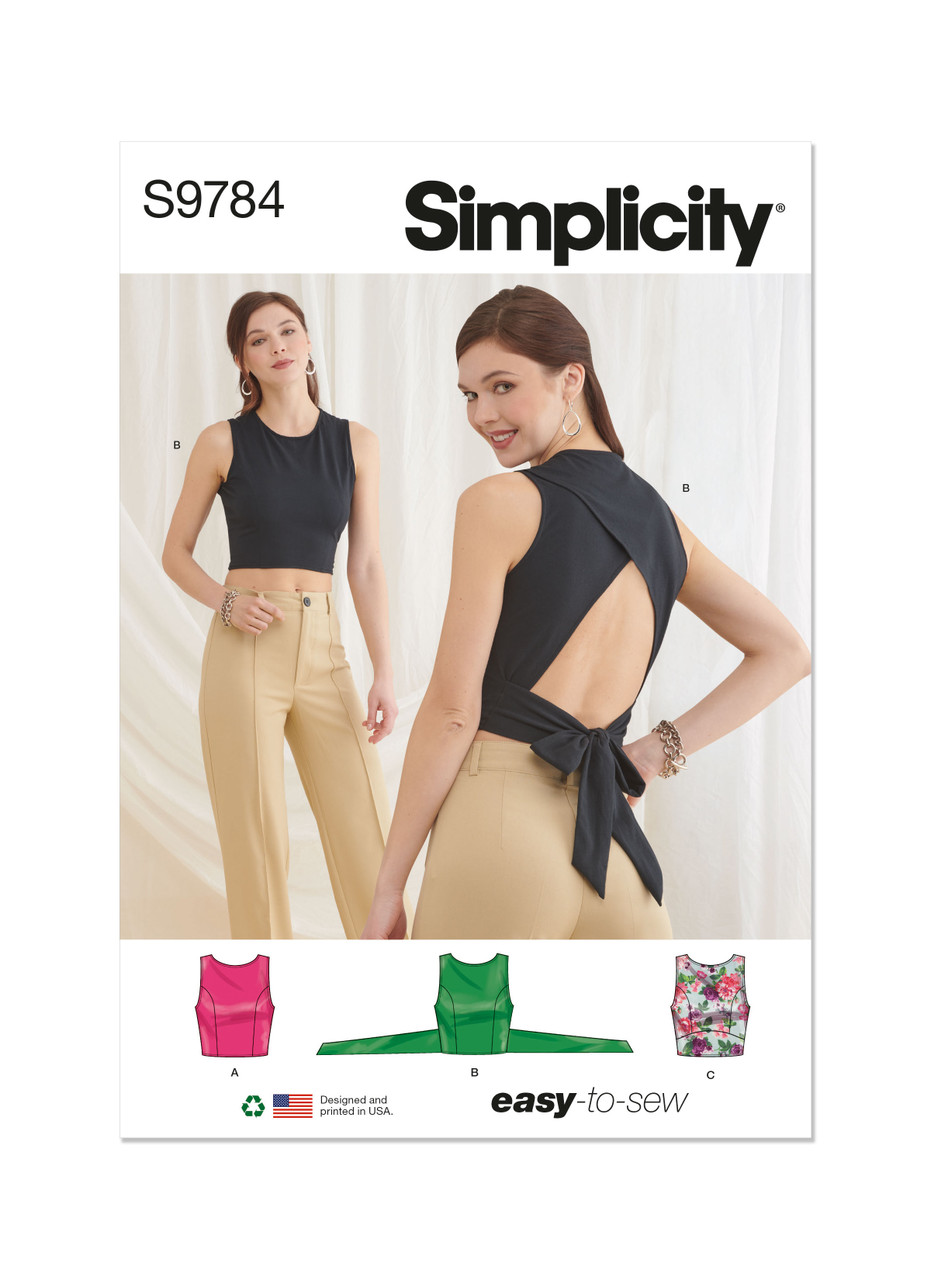
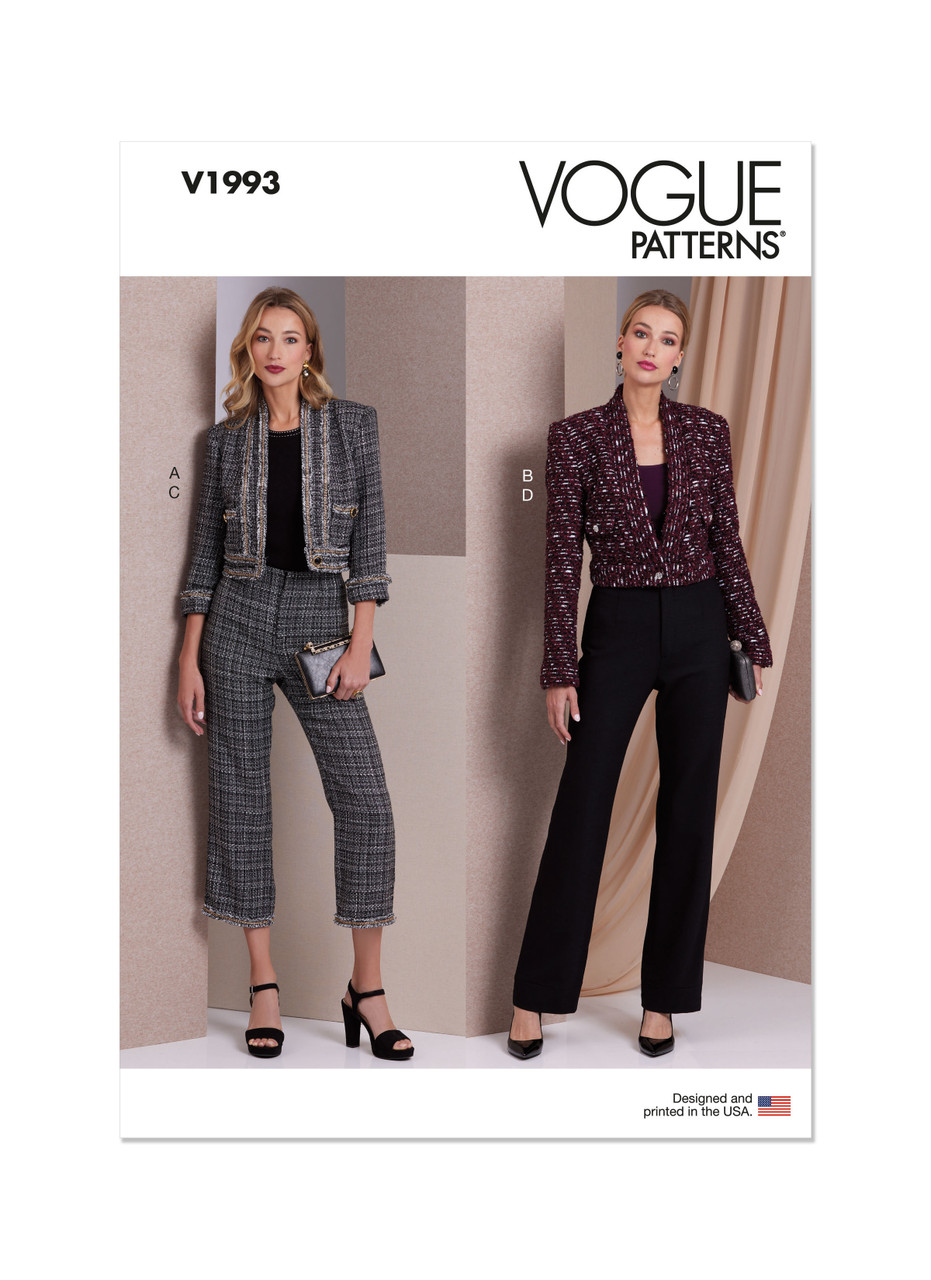
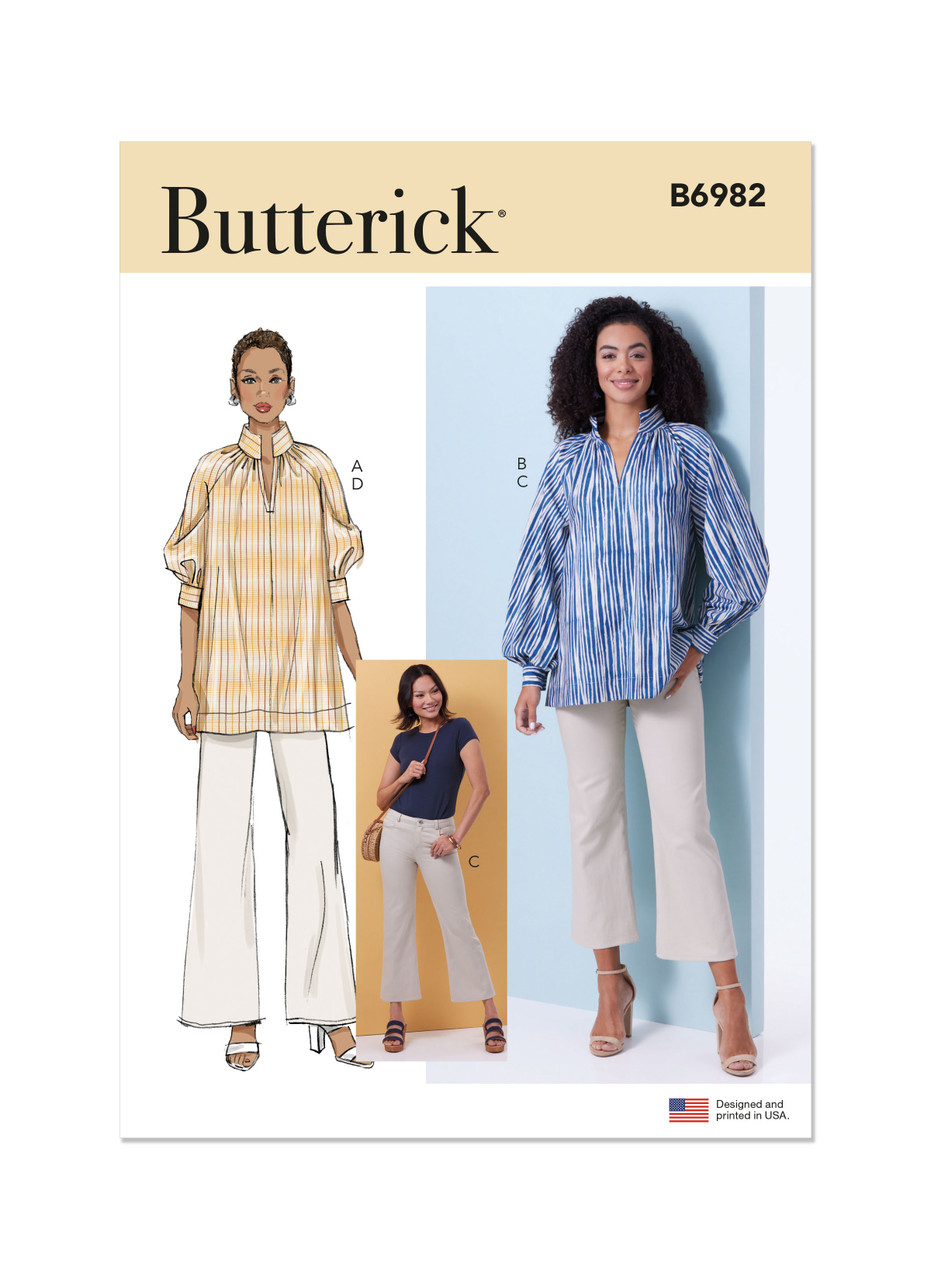
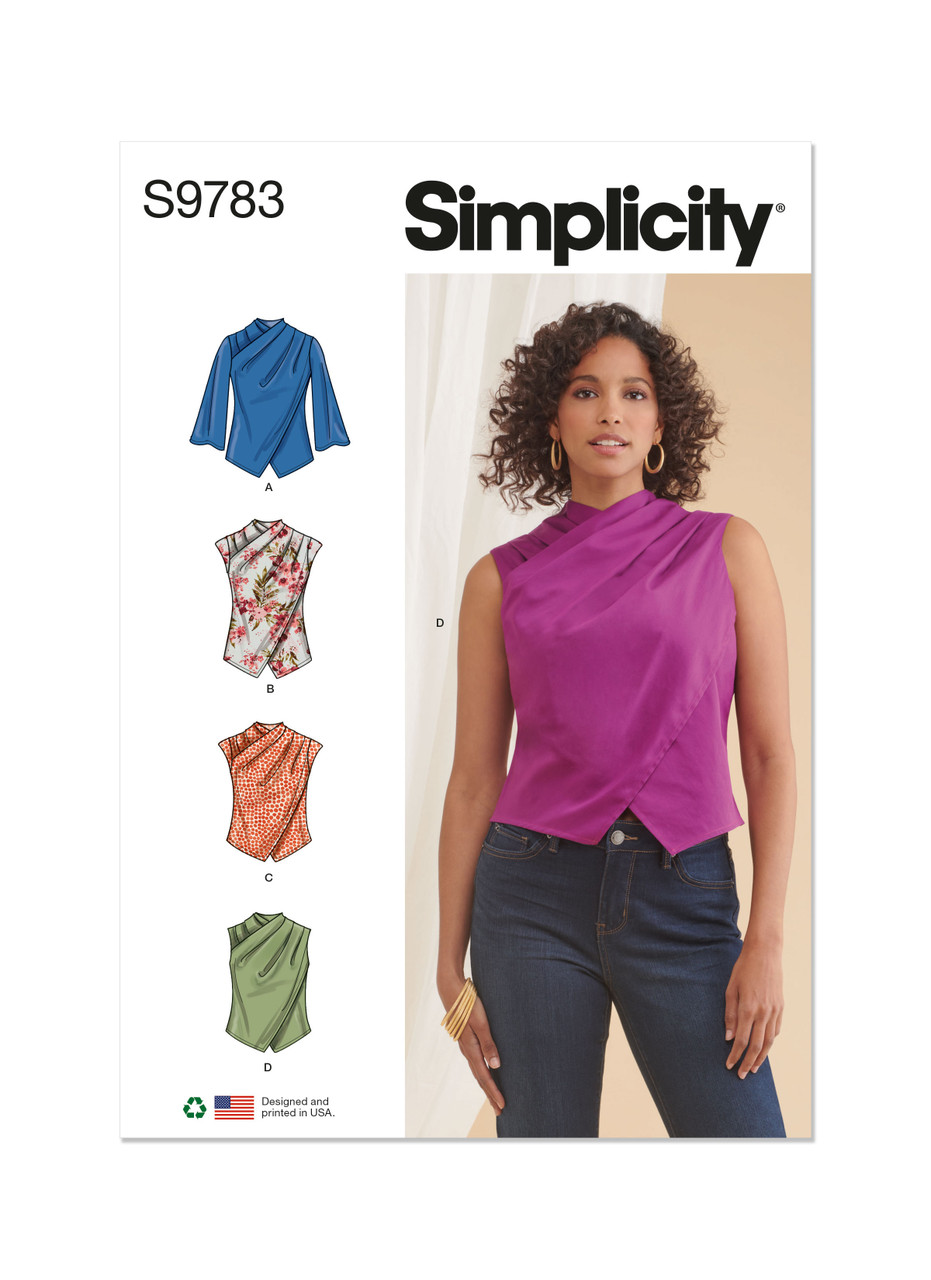
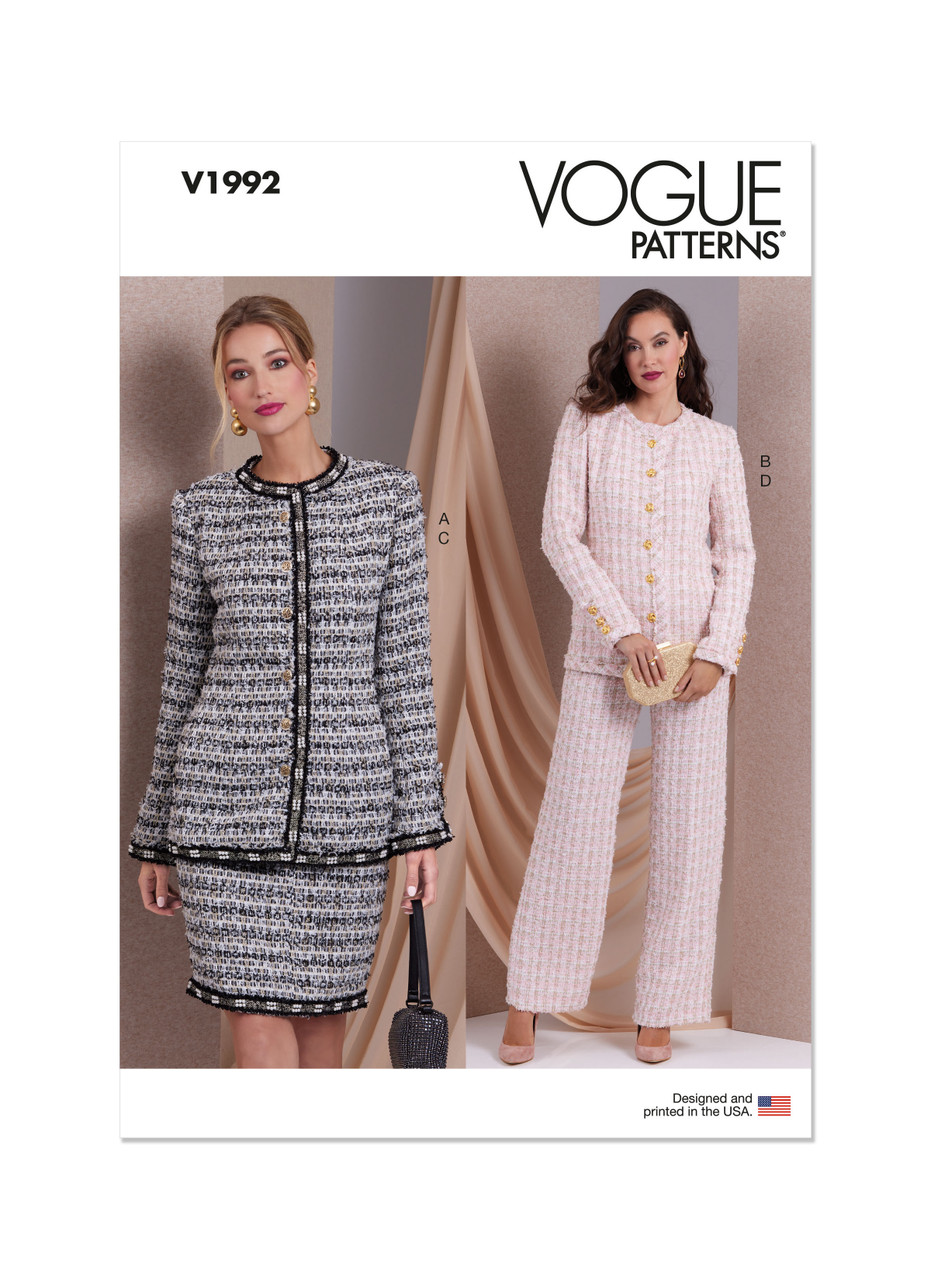
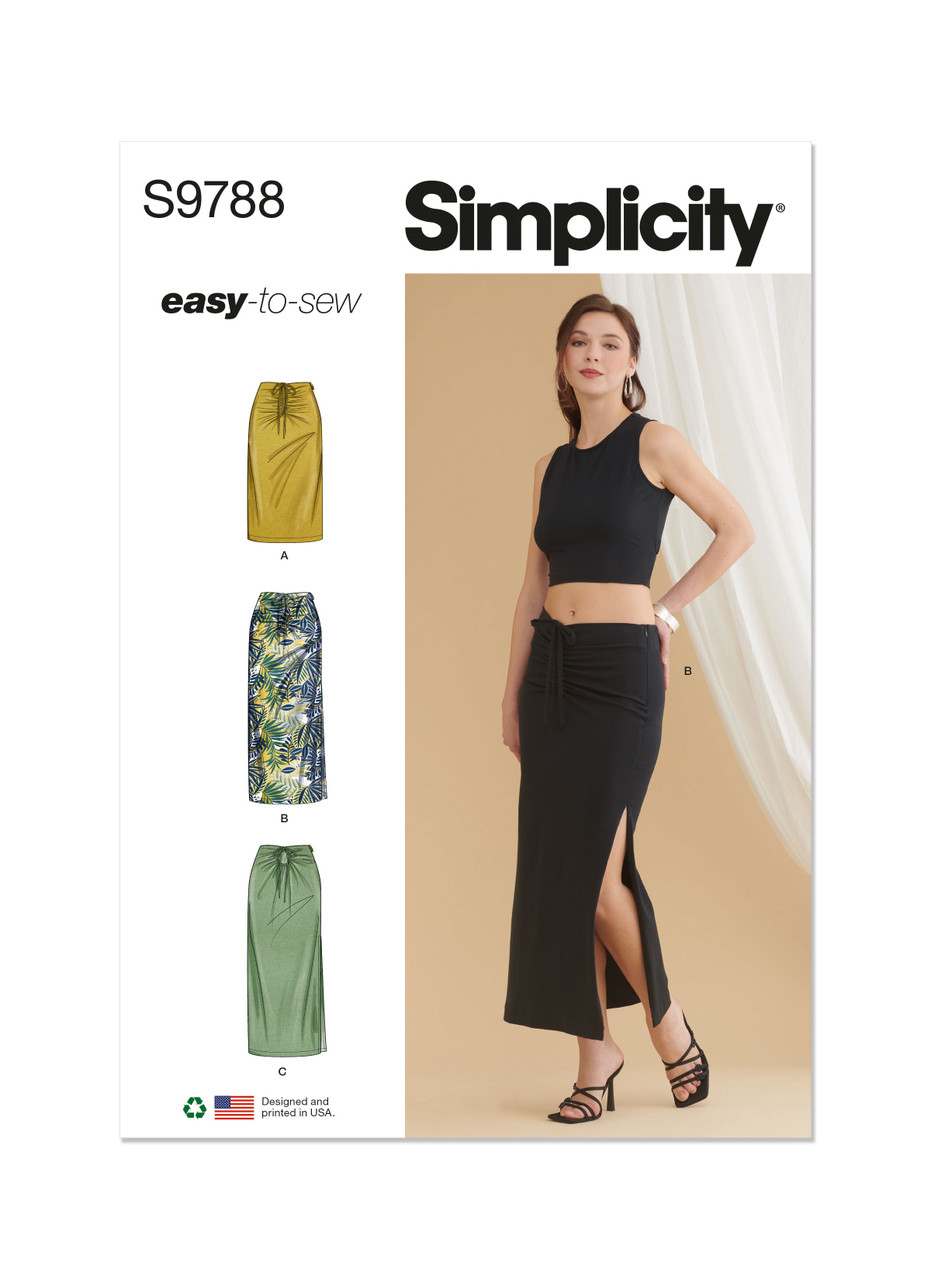
  • Check the front for the pattern number, style variations, and suggested skill level.
  • Read the back to find fabric recommendations, yardage requirements, and notions (like zippers or buttons).
  • Use the size chart to pick the correct size based on your body measurements, not your ready-to-wear size.
Sewing Rating
What is sewing ratings?
×

Ease of Sewing—Know Before You Sew

VERY EASY
The easiest and quickest patterns to sew. Great for beginner or the experienced sewer with limited time available. Expect limited construction details, hand sewing and fitting. Easy-to-sew fabrics are recommended.

EASY
Easy-to-sew patterns but with more details than the Very Easy category. Perfect for those with limited sewing knowledge or little time. Expect a wide variety of sewing procedures—there will be more details when the techniques are simple and fewer details when the techniques are more involved. Some fitting knowledge required.

AVERAGE
These patterns are perfect if you have more time to sew, and more experience sewing. Look for challenging designer techniques, tailoring, unique construction details. Expect more fitting and inner construction. Find more variety in fabrics from the stretchiest knits to synthetic leathers and suedes.

ADVANCED
The finest patterns featuring the best of European and American Couture. Perfect for those who like the sewing challenge of professional tailoring and fine couture techniques. Expect intricate fashion shaping, hidden construction details, couture inner construction, fine touches of hand sewing and bias draping.