1800's

The Founders of DIY Fashion
-
1850s
"Easy-to-use" pedal sewing machines for home sewers were finally available in the US via mail order catalog.
-
1851
Isaac Singer patents the first mass-produced foot-treadle sewing machine. He also allowed for payment plans making the expensive sewing machines accessible to more households.
-
1863
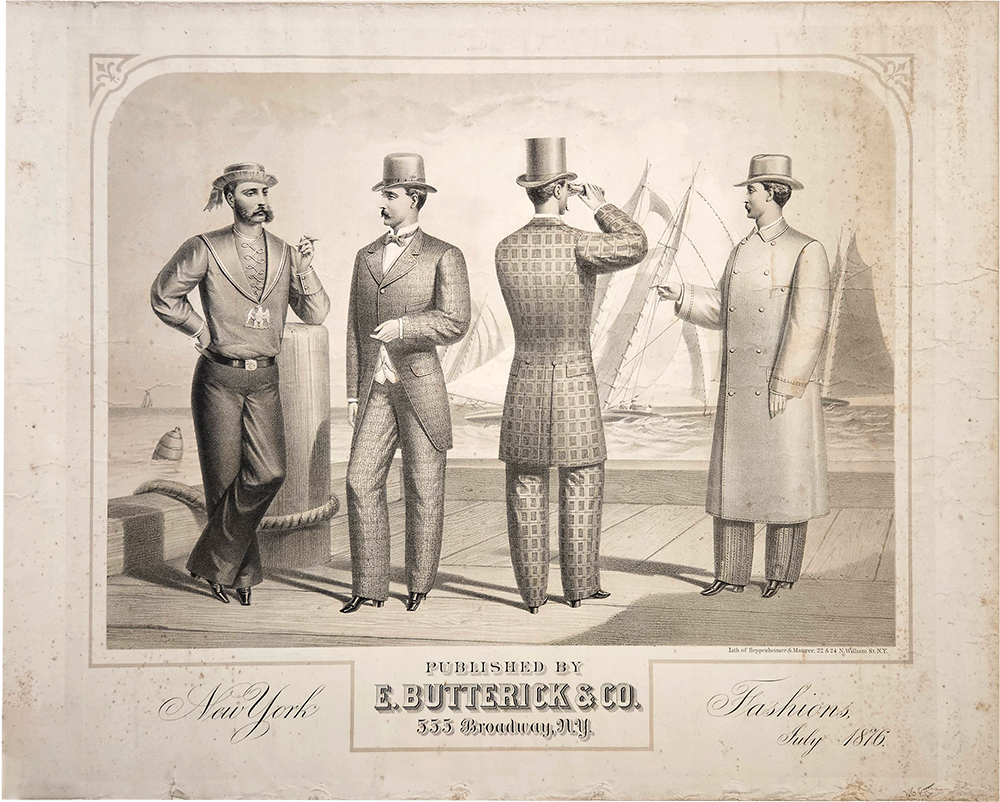
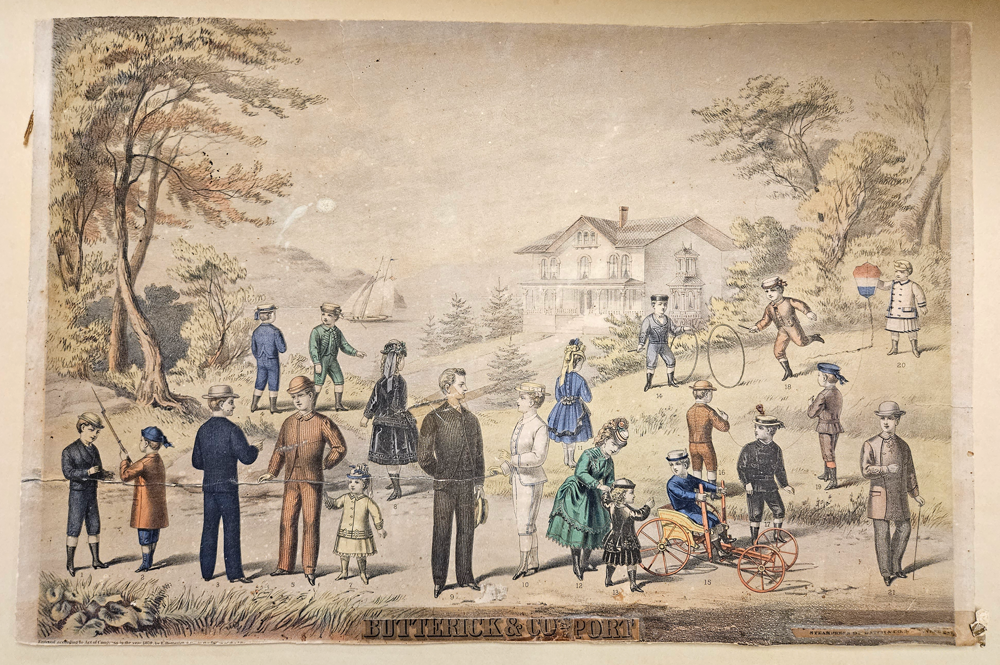
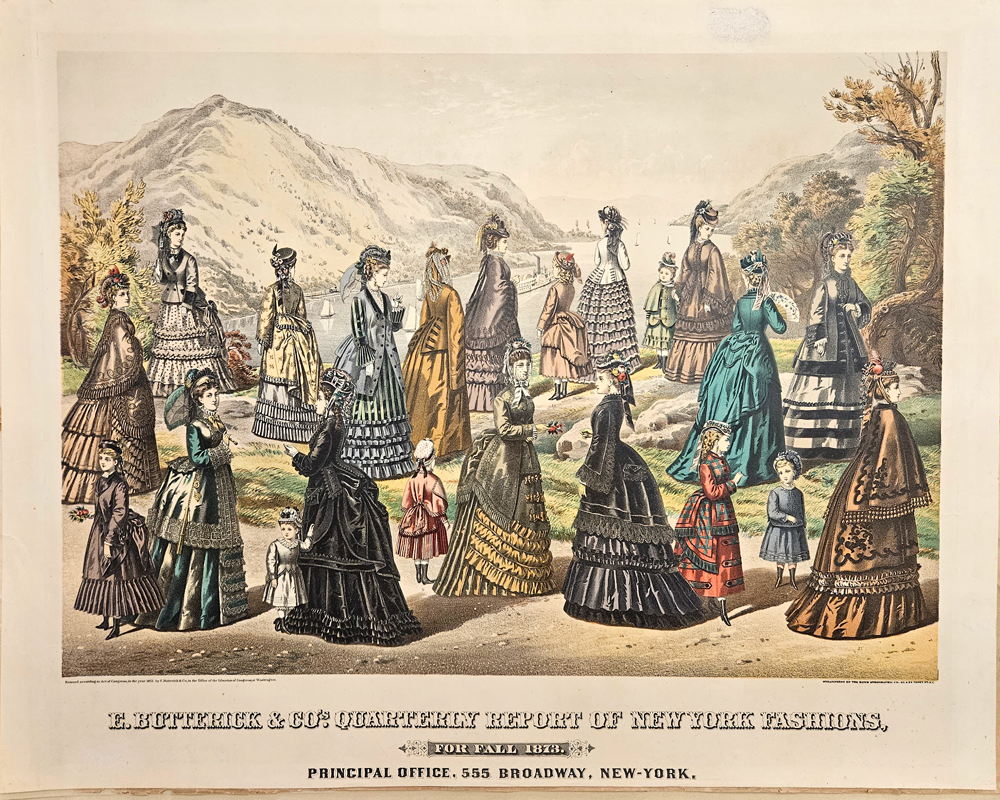
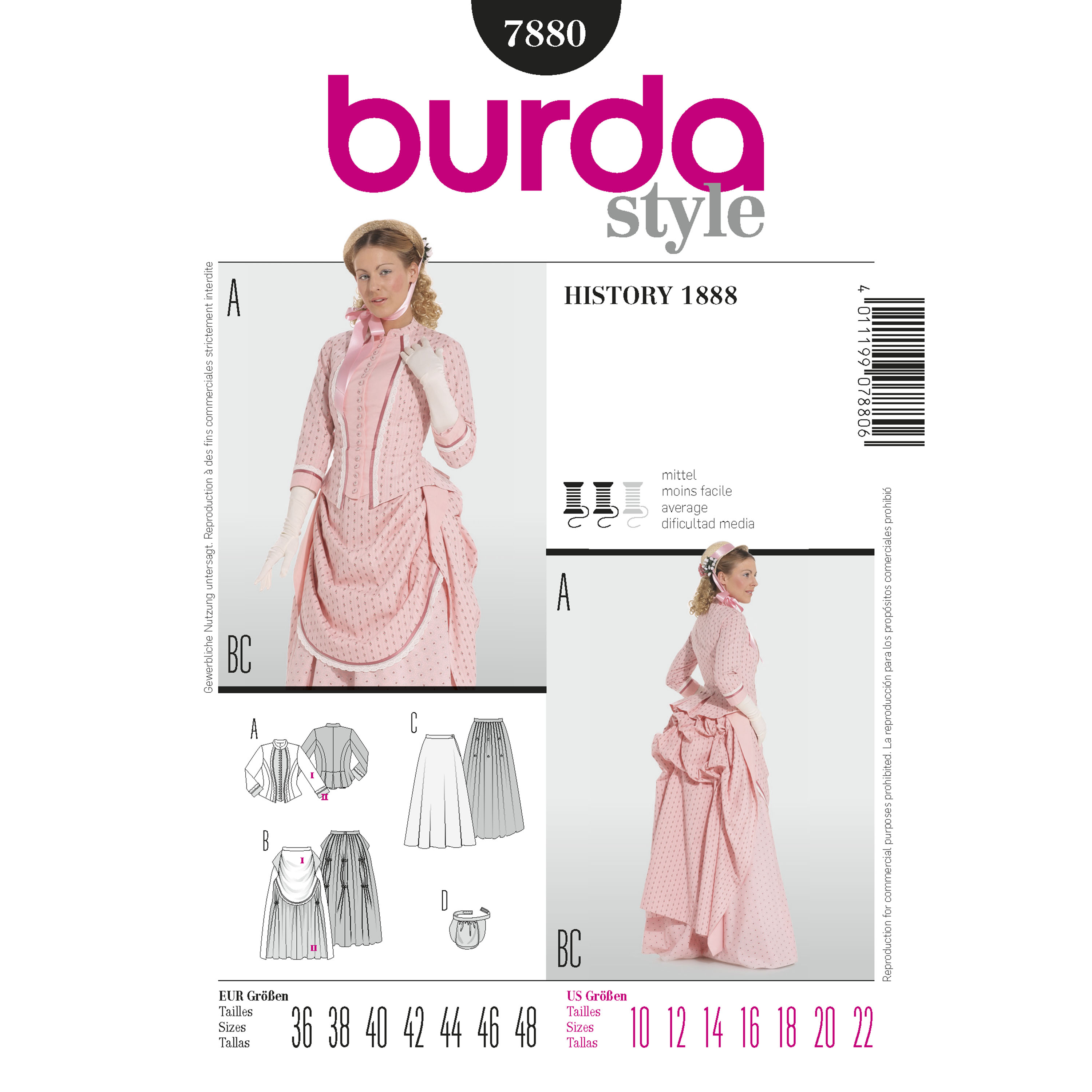
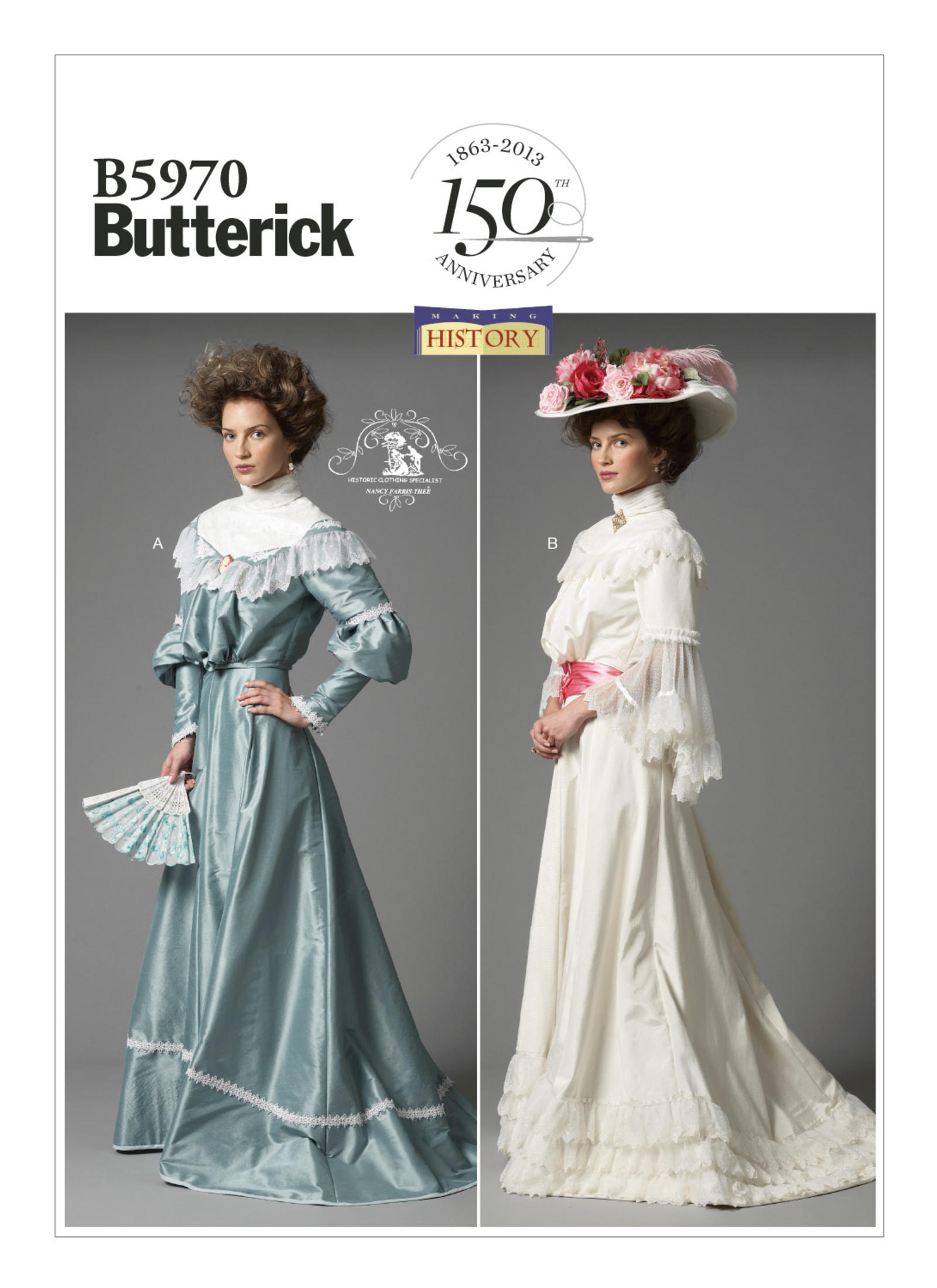
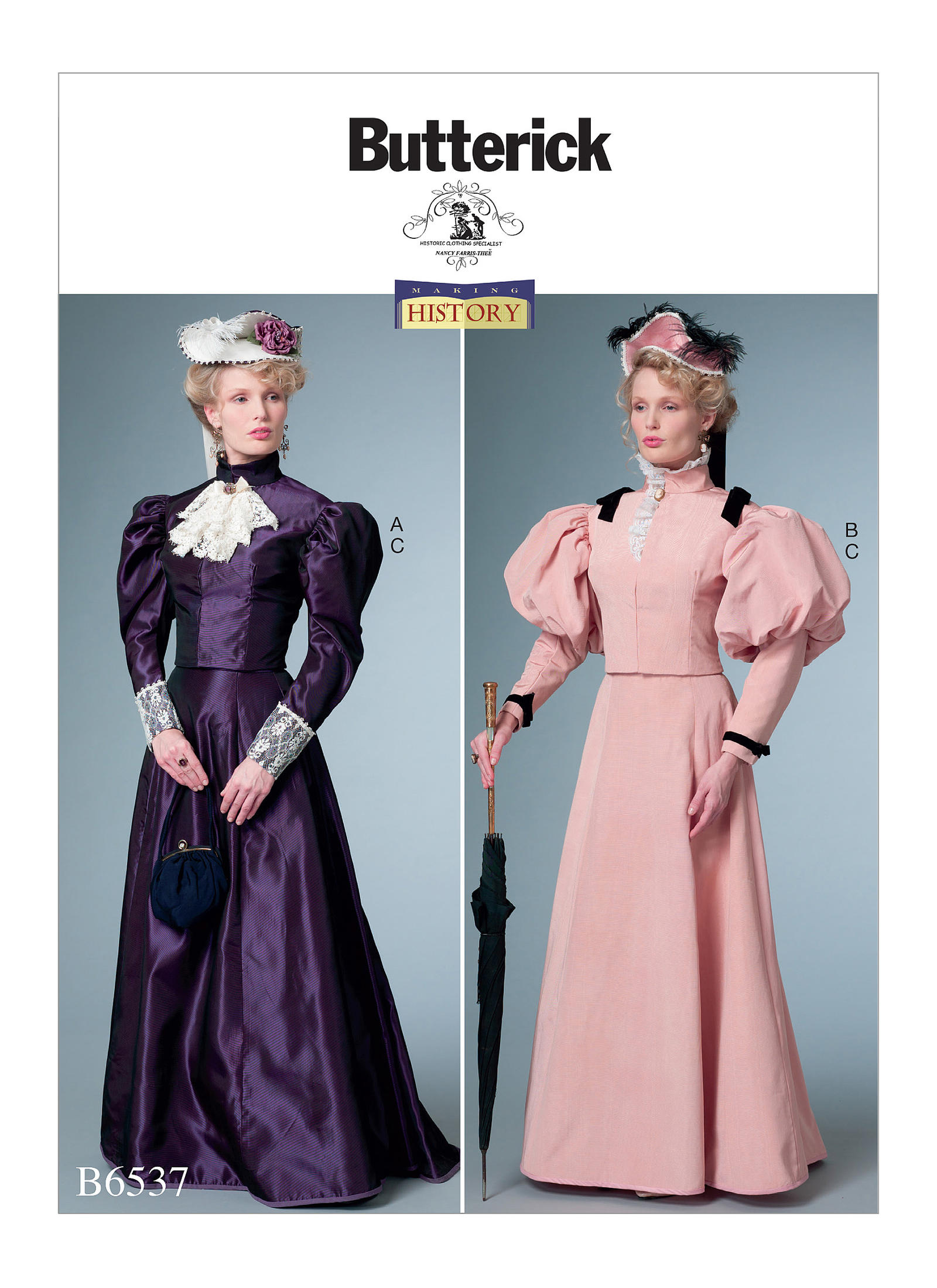
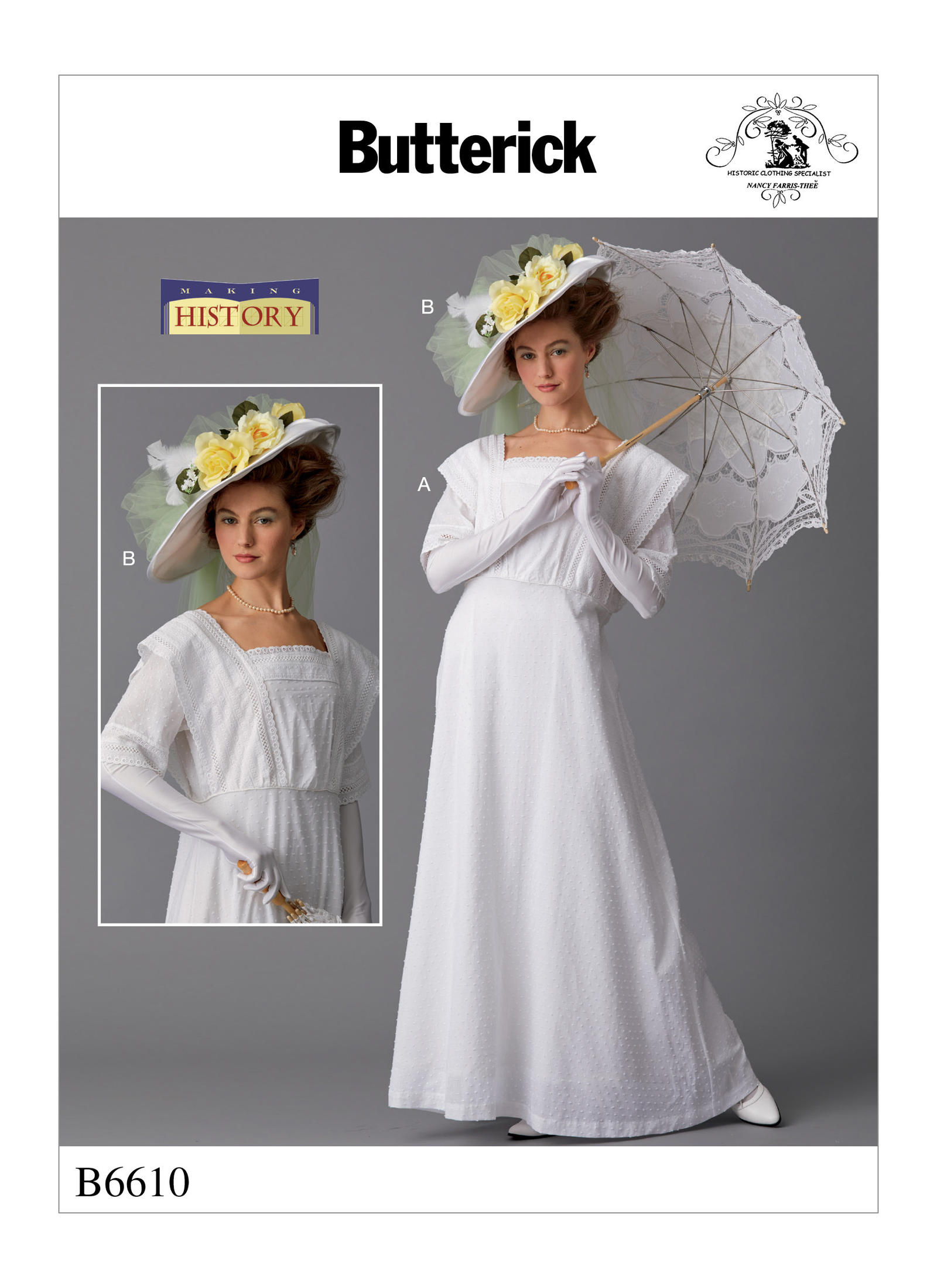
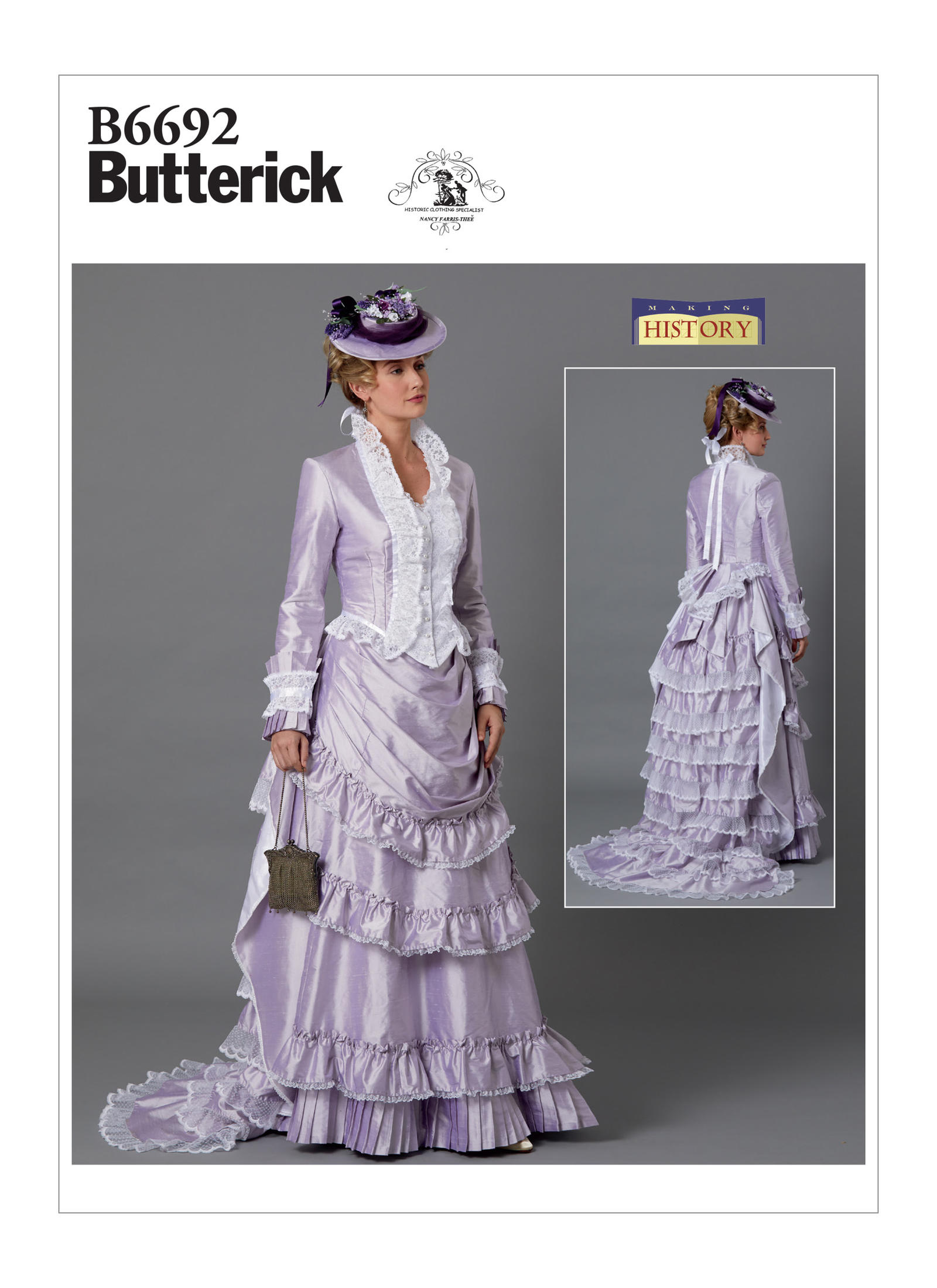
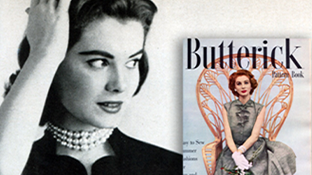
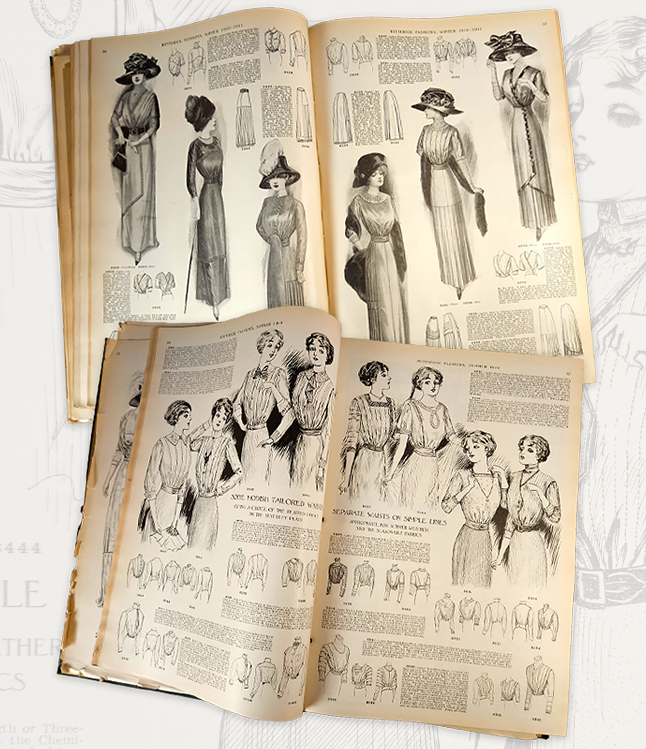
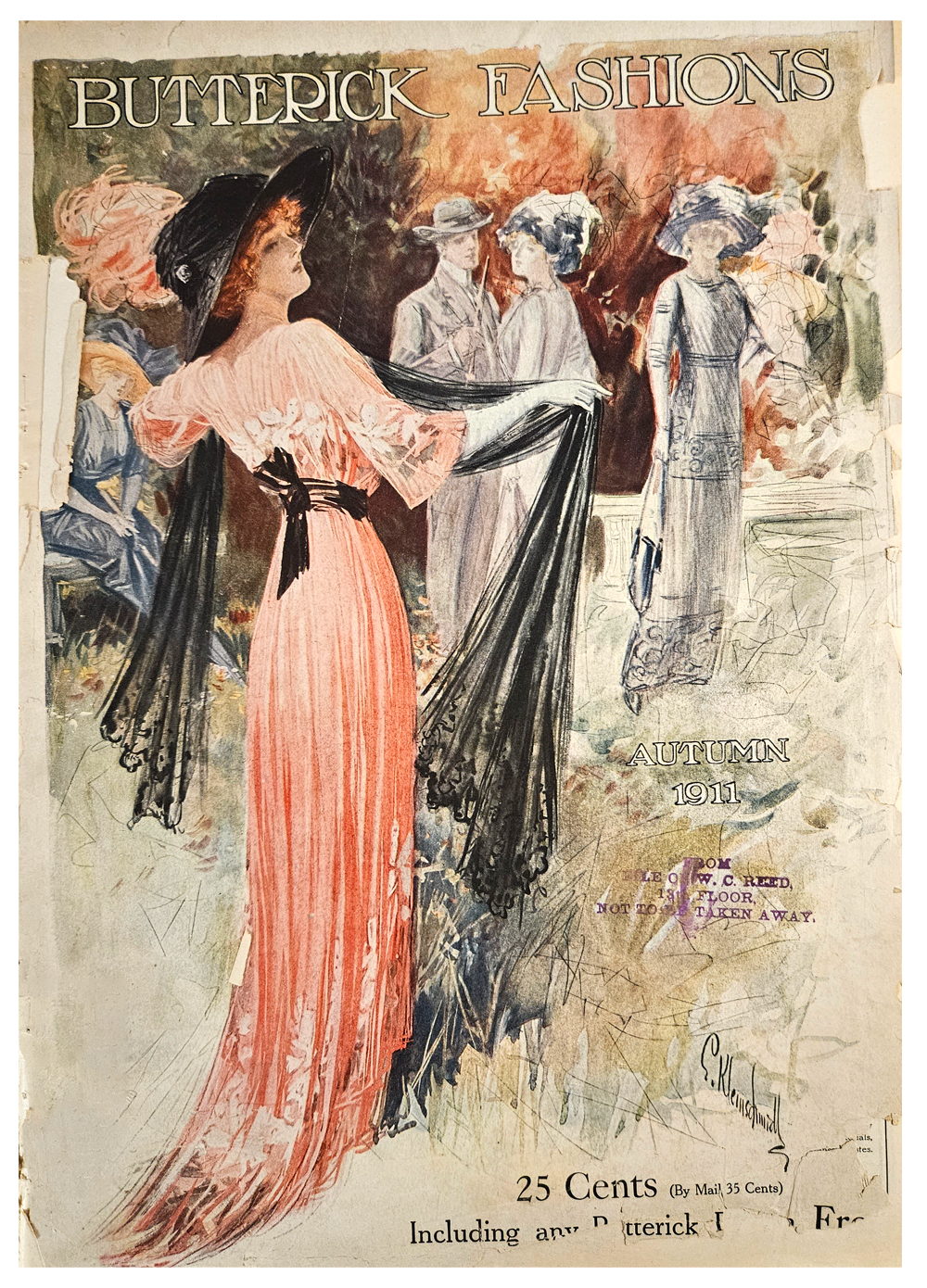
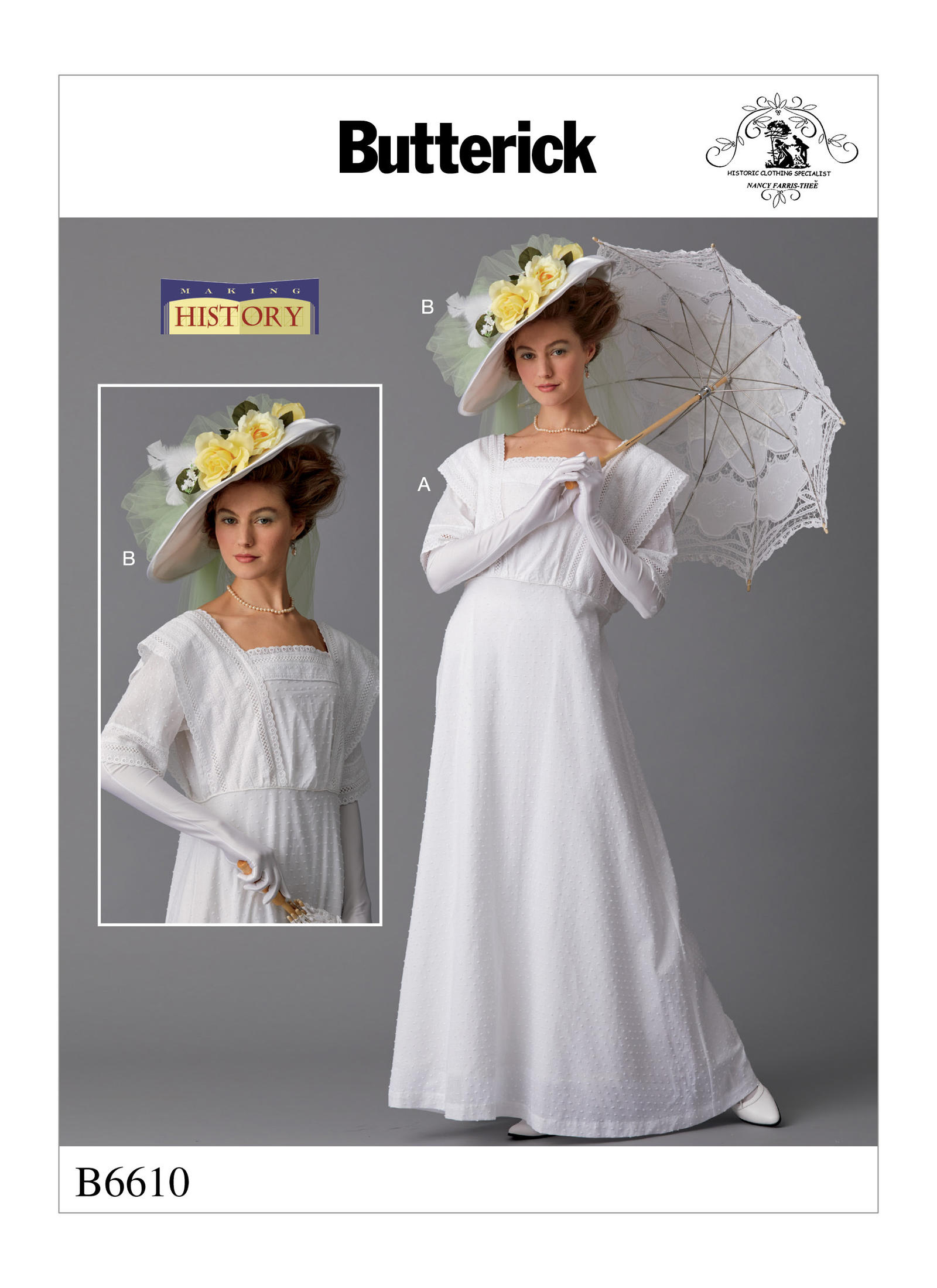
Founded: Butterick Ebenezer Butterick, a tailor, and his wife Ellen Augusta Butterick in Sterling, Massachusetts. Butterick opened its 1st factory in New York City within a year due to demand.
-
1863
The Butterick family hand folded each order to be flat packed in an envelope allowing for customers receive multiple styles and sizes via USPS mail. Their packaging and shipping system inspired the industry model still used today.
-
1863
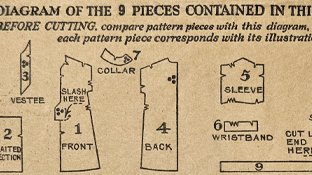
Butterick Patterns created a consistent multiple sized grading system for tissue paper sewing patterns. The first-ever graded patterns were initially for men and boys becoming an early success for the family.
-
1866
Butterick’s grading system was adapted for women and girls sewing patterns. The “collection” was available in 13 sizes for dresses, coats, and blouses including 5 sizes for skirts.
-
1870
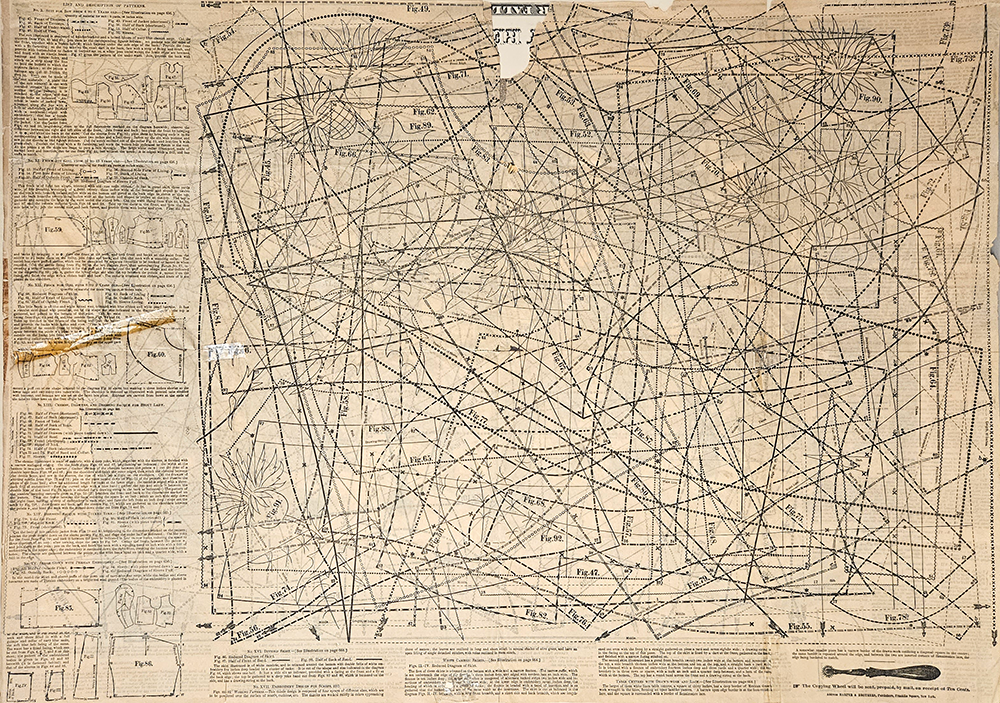
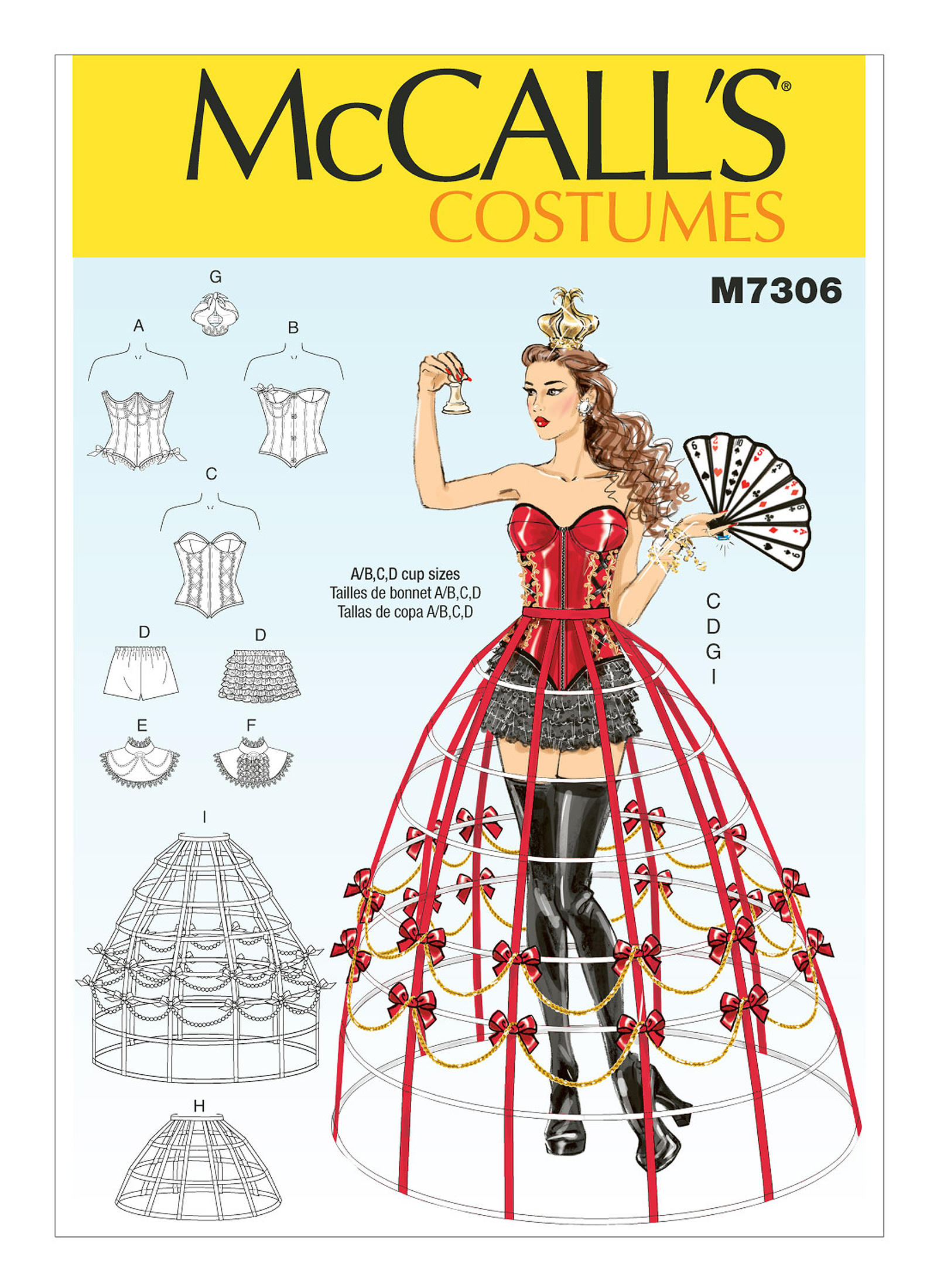
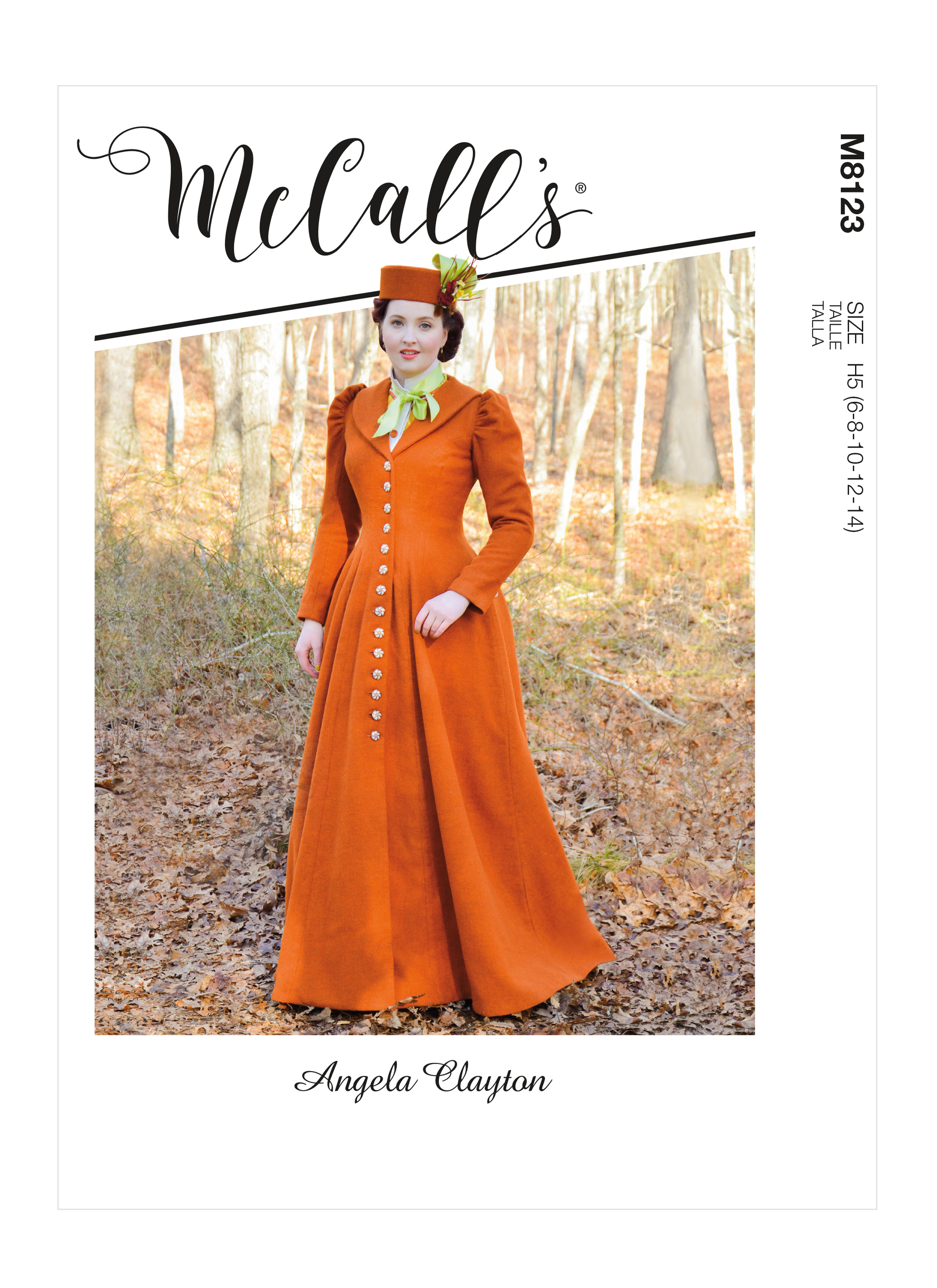
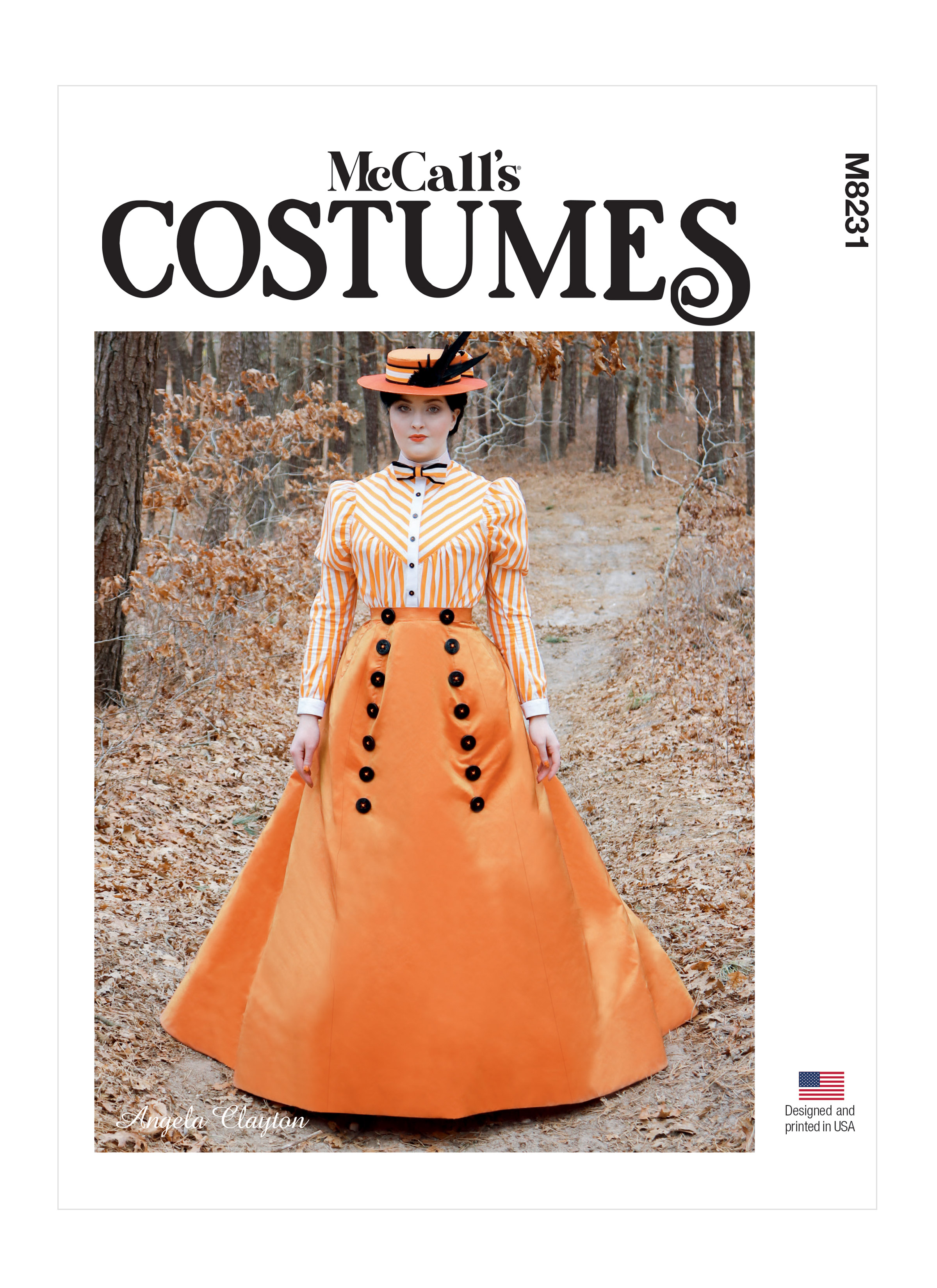
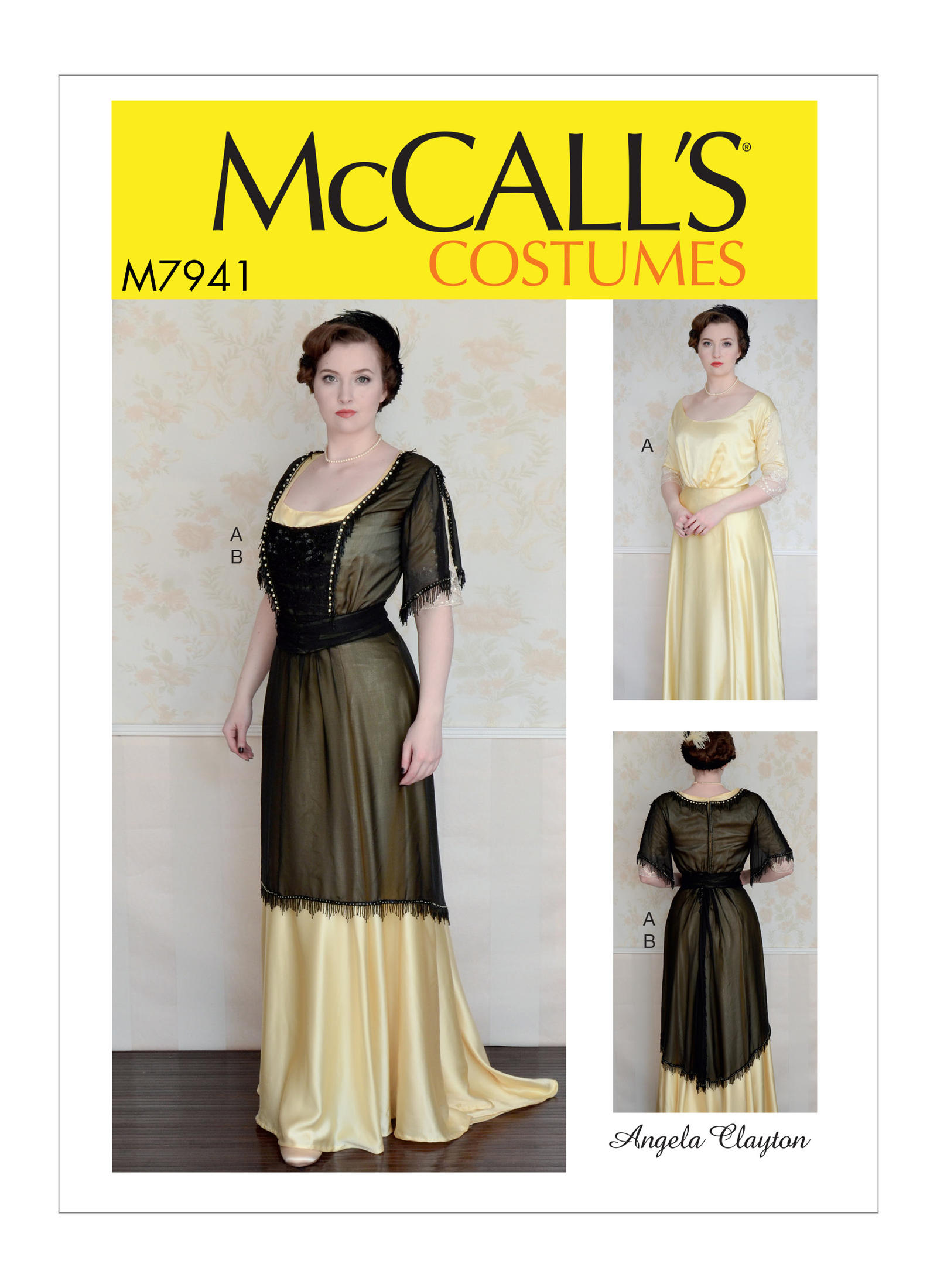
Founded: McCall's James McCall, a Scottish tailor, in New York City. McCall's introduced perforated tissue paper sewing patterns. After his passing, Mrs. McCall ran the company until the 1910's.
-
1897
McCall’s Magazine formerly known as “The Queen of Fashion”, was rebranded with the namesake title to compete against Vogue Pattern’s (started in 1893) popular coupons and European designers.
-
1899
Founded: Vogue Patterns Vogue Patterns began as a .50 cent coupon pattern service within Vogue Magazine (1893) Vogue Patterns introduced the first licensed couturier patterns, allowing highly skilled home sewers to recreate high-fashion garments from European designers.


1900's
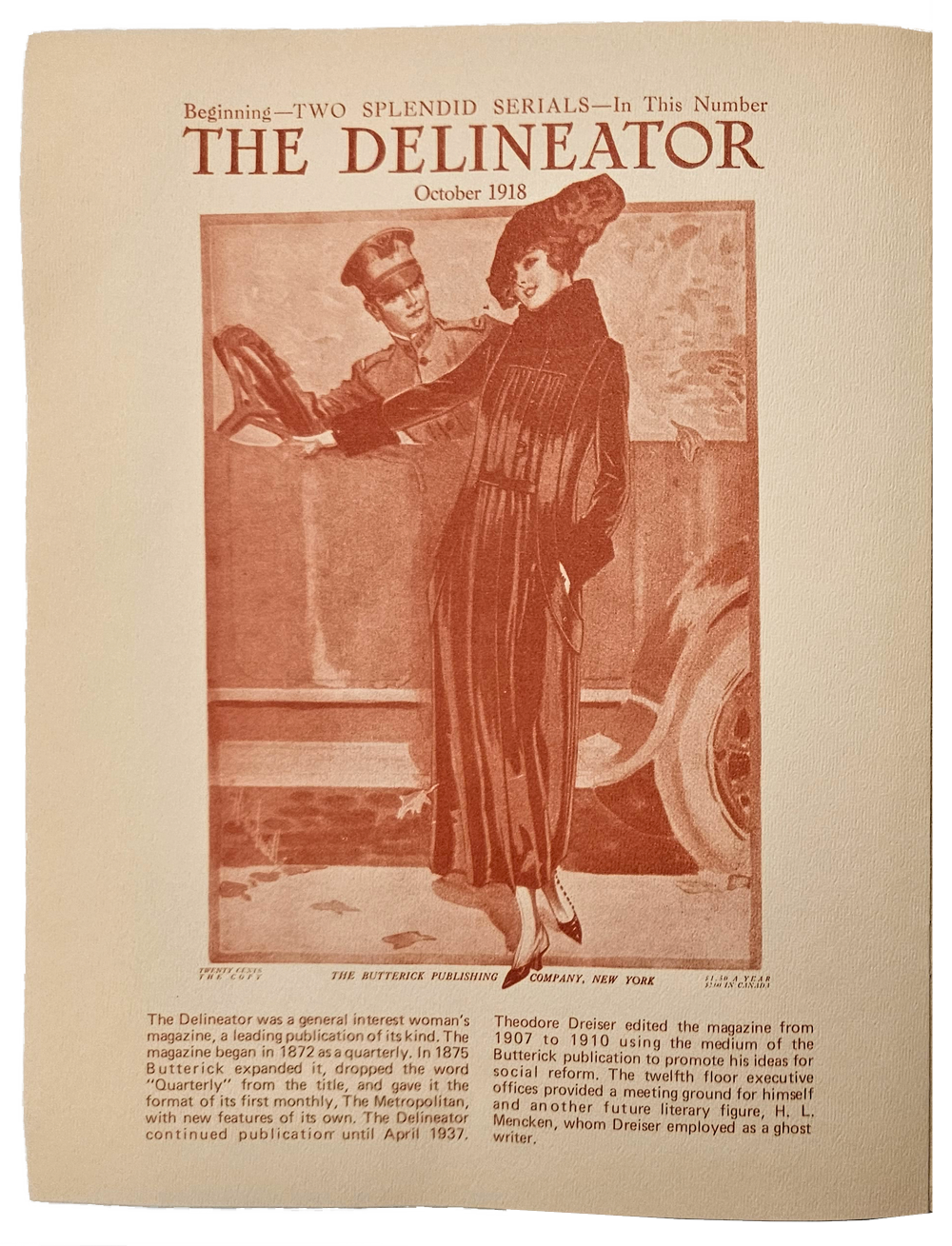
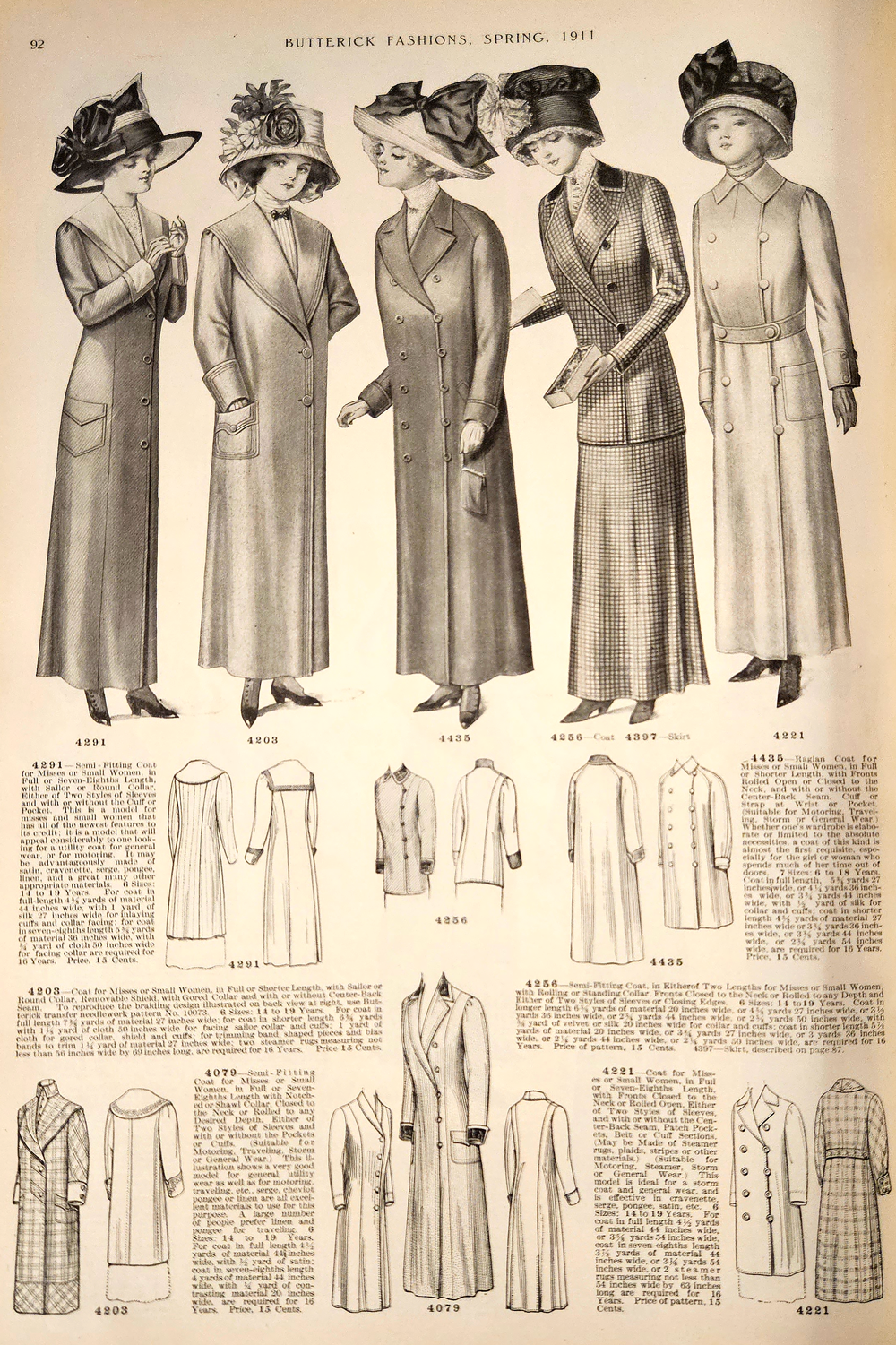
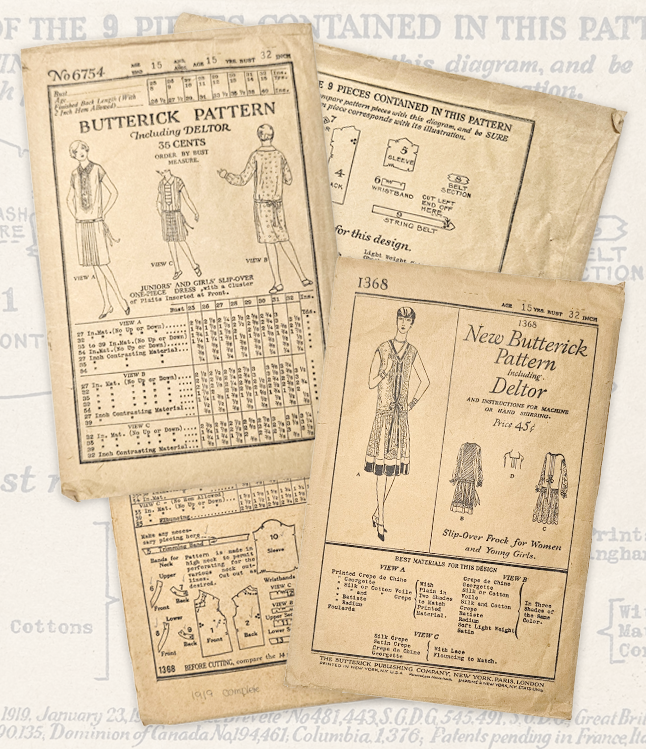
The Captains of Industry - Innovations in Home Sewing
-
1905
The popular mail in coupon is officially named "Vogue Pattern Service" setting the stage for the pattern company to be its own business model going forward.
-
1909
Mr. Condé Nast purchased Vogue Magazine.
-
1909
The American College of Dressmaking based in Kansas City, Missouri publishes their sewing book of best practices for home sewing correspondence courses.
-
1914
Vogue Patterns is launched and within two years were the first patterns to be uniformly sold in department stores nationwide in addition to the traditional mail in offerings.
-
1914
"Vogue Pattern Service" is renamed by Condé Nast to the now iconic Vogue Patterns that has endured for over 100 years.
-
1916
Vogue Patterns was the first in the home sewing industry to be uniformly sold in department stores nationwide and abroad, creating an alternative to the traditional catalog and USPS mail process.
-
1916
McCall's included illustrations accompanied by printed instructions with “photographic charts”. Considered innovative at the time, images are now an industry standard for home sewing worldwide.
-
1917
Article in McCall’s magazine describes the Red Cross relief effort and seven new patterns for hospital work. It presents sewing as an alternative to nursing to help the war effort.
-
1919
Introduction of Printed Patterns: McCall's began printing solid cutting line and dotted sewing lines directly onto the pattern pieces, a significant advancement in pattern design and usability.
1920's

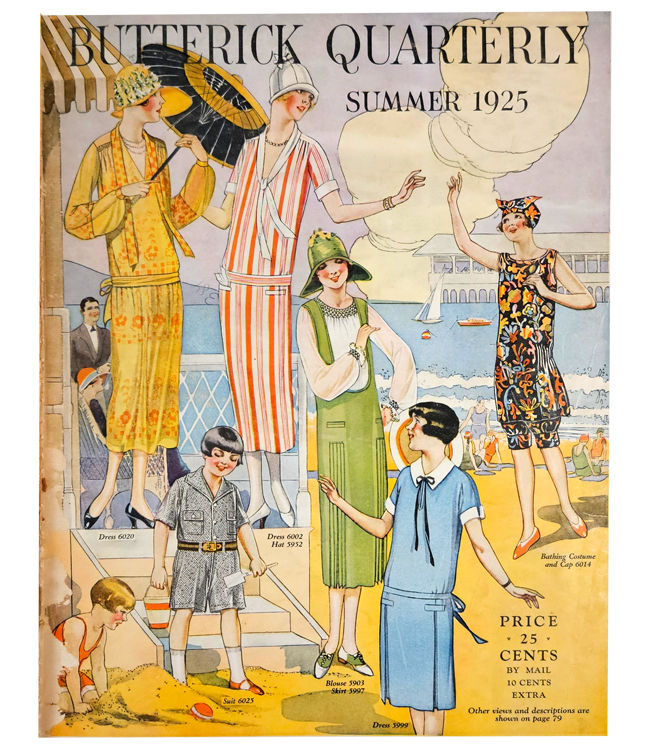
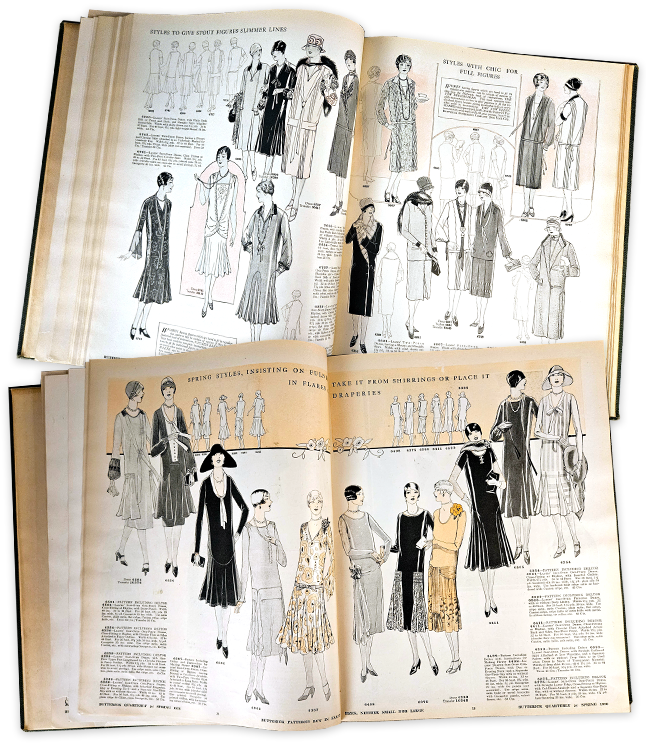
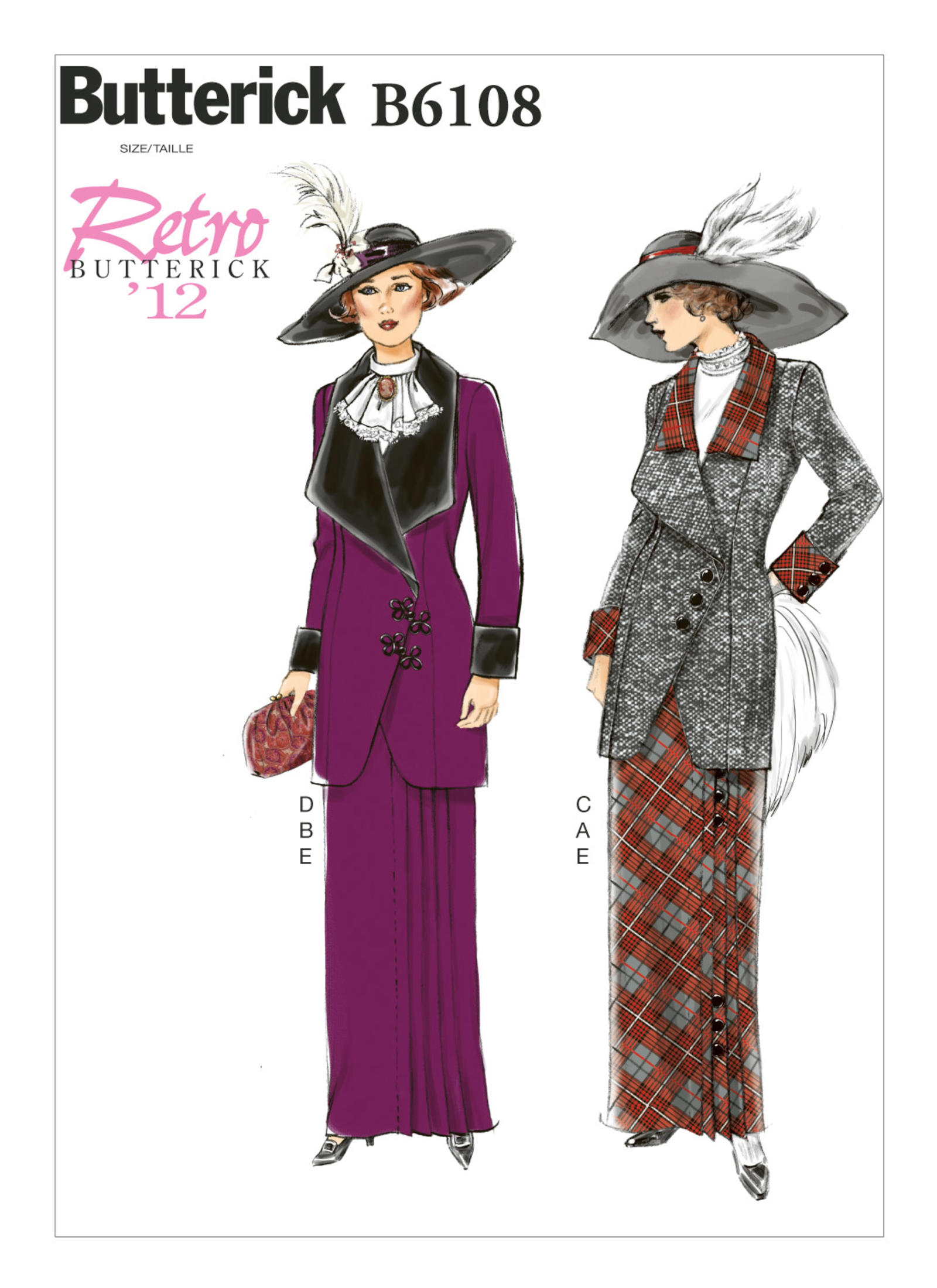
Home Sewing Breaks the Fashion Mold with Flappers!
-
1920s
Innovation: Select McCall's patterns began featuring full-color illustrations on their envelopes, and by 1932, all pattern envelopes had full-color illustrations.
-
1920
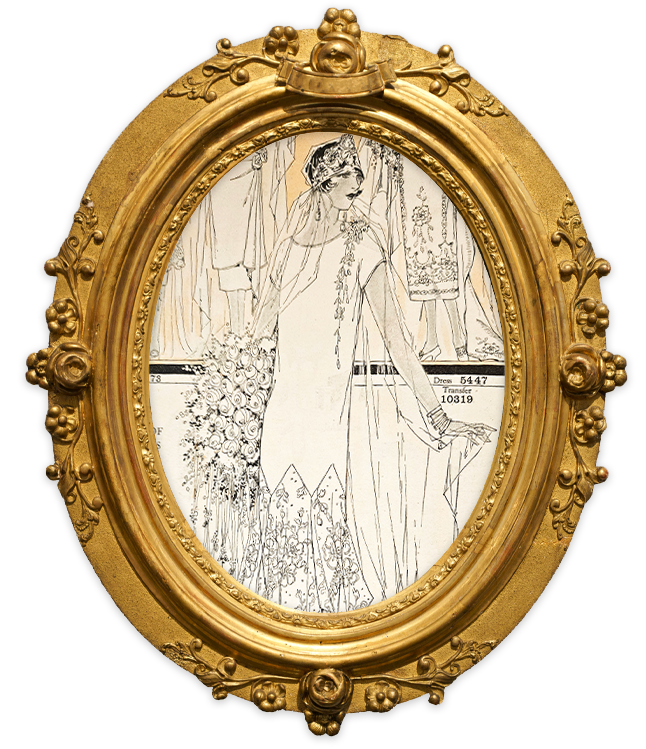
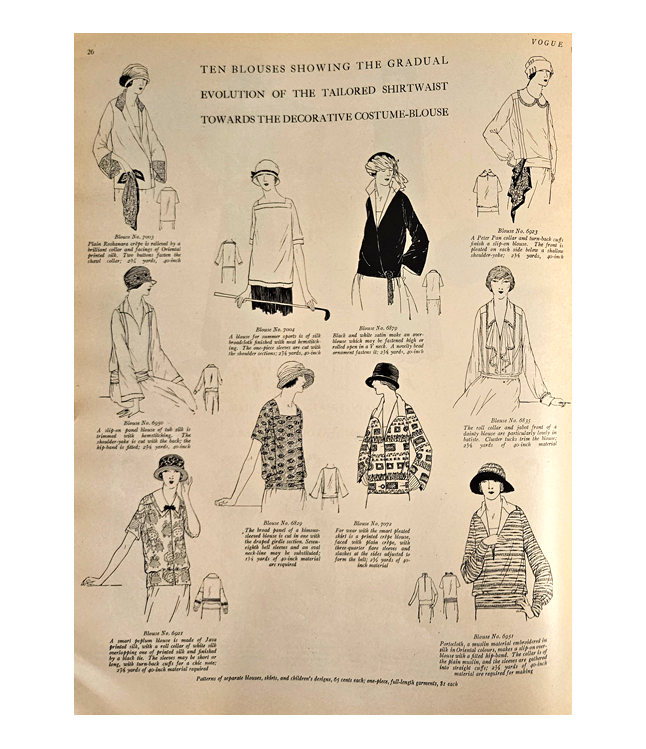
The "Vogue Pattern Service" became its own publication, the "Vogue Pattern Book".
-
1920
McCall’s developed mass-produced machine printing of the solid cutting and dotted sewing lines on tissue paper sewing patterns. The company held the patent rights for this technology until 1938, which slowed their competitors from adopting the same method
-
1926
McCall's licensed and published French designer Madeleine Vionnet, best known for her bias-cut dresses of the 1930’s. Her signature designs can be found in vintage McCall's 4467, 4468, 4855, and 5634.
-
1927
McCall's licenses more European designers to compete with Vogue Patterns by signing Jean Lanvin (McCall's 4856) and 1929 Elsa Schiaparelli (McCall's 5839) joining Madeleine Vionnet.
-
1927
Founded: Simplicity Joseph M. Shapiro, with an idea from his father, along with his wife Caroline Hutchins Shapiro, a home economist, and their son James J. Shapiro in New York City. Simplicity Pattern Company was established in NYC with the goal of making home sewing accessible and affordable for the average household. Simplicity patterns were initially priced around .15 cents, significantly less than other brands at the time.
1930's
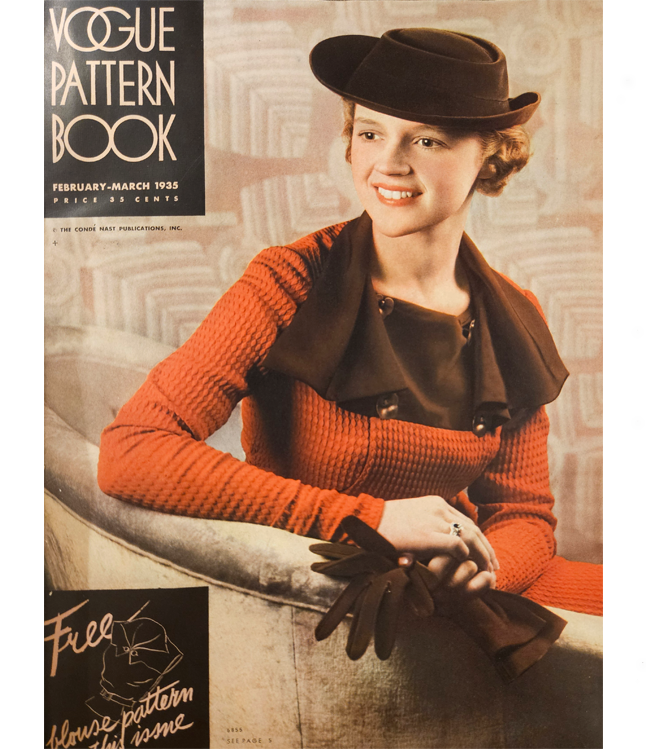
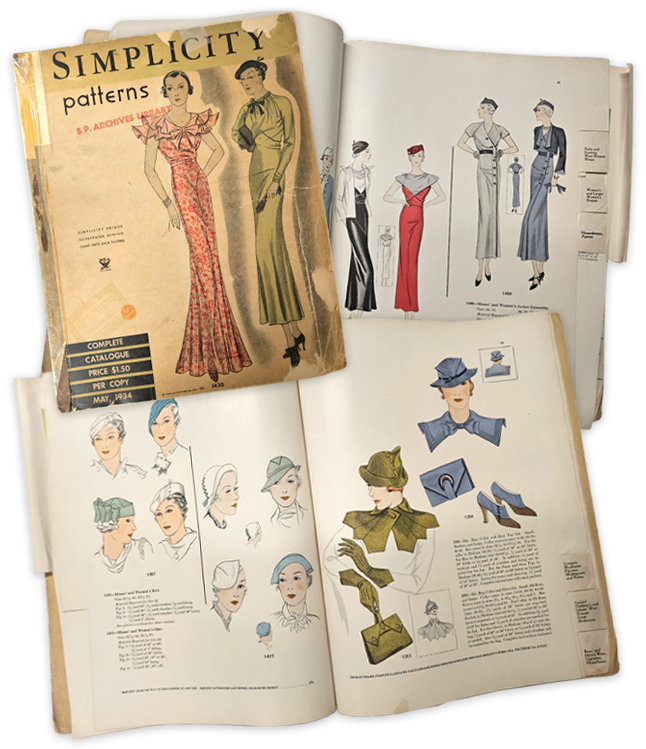
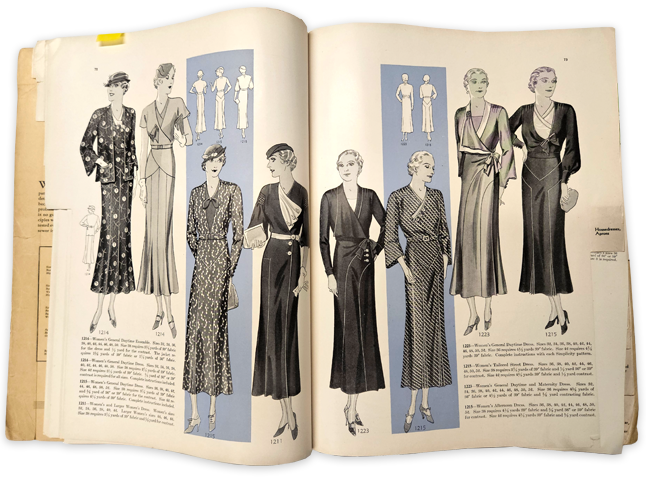
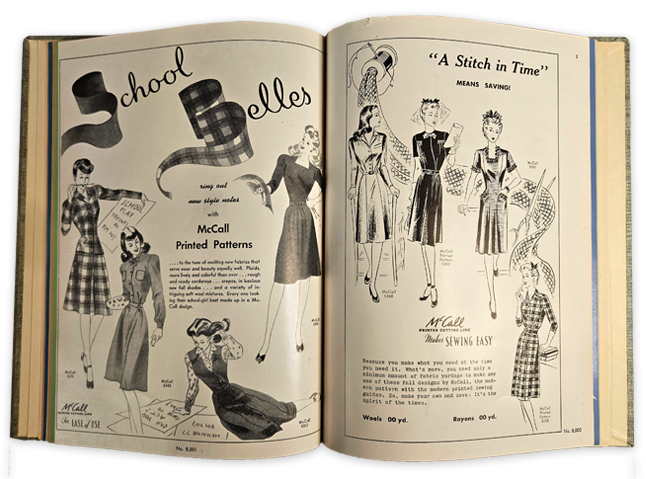
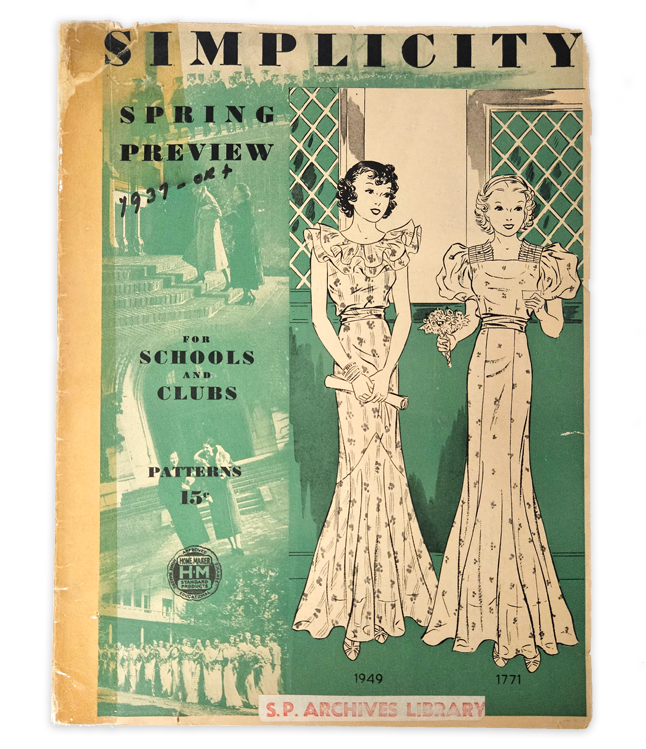
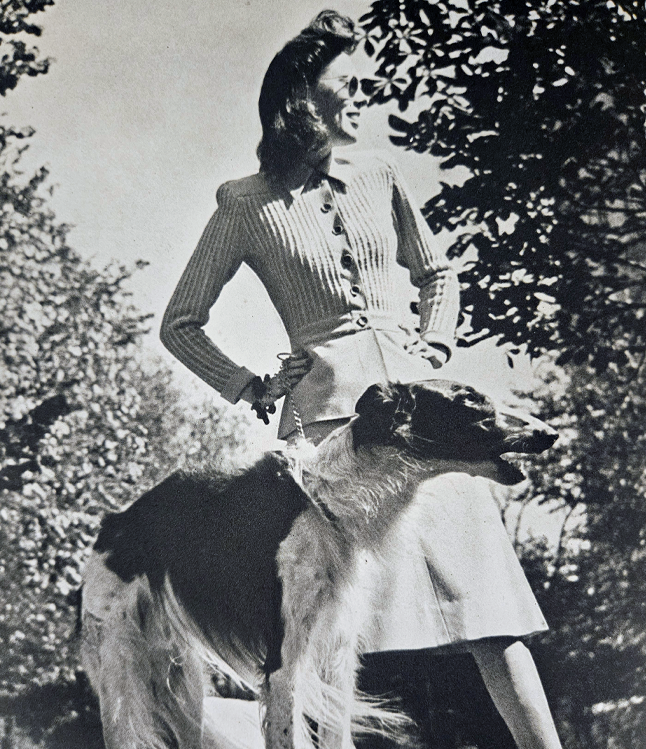
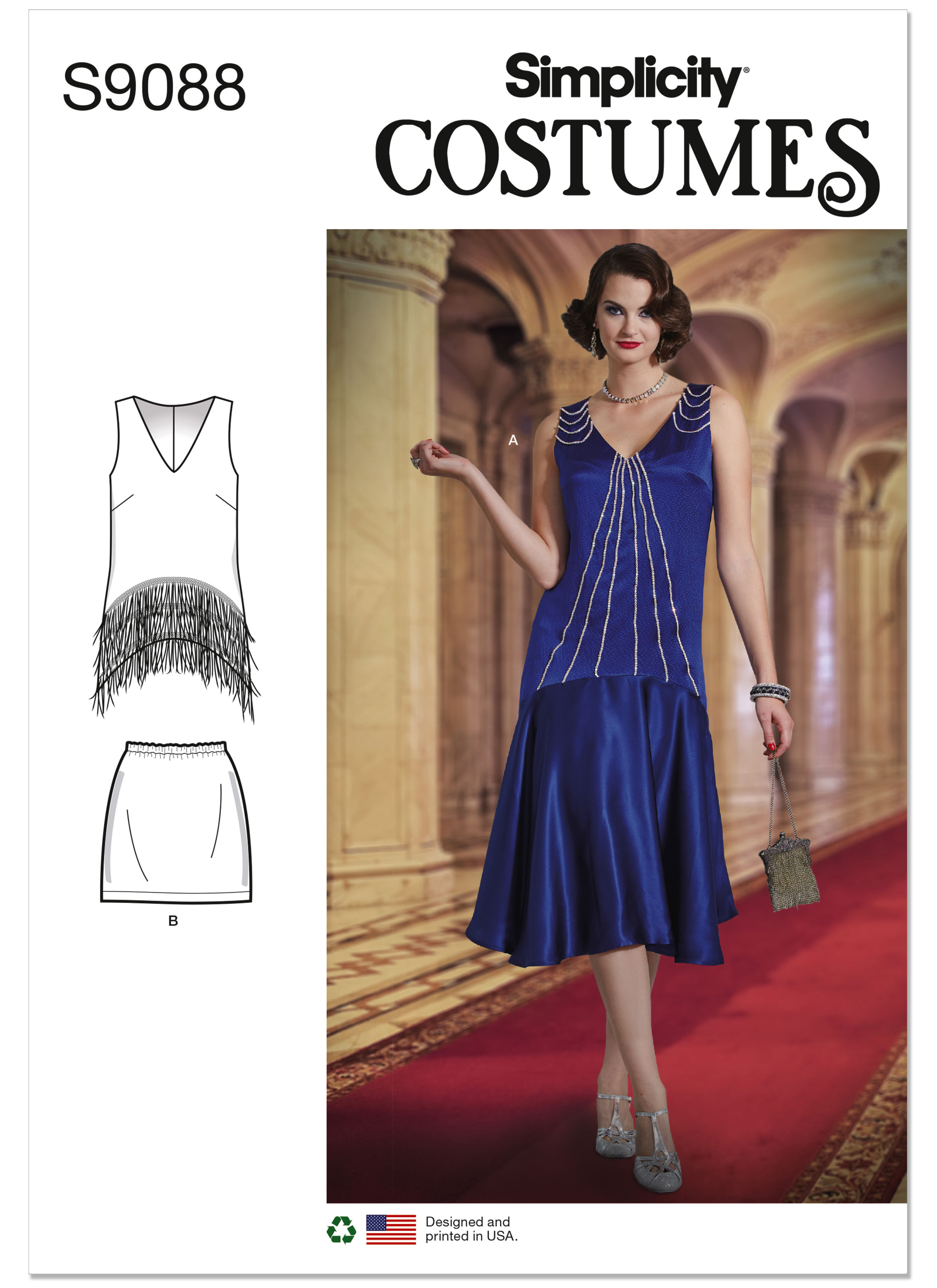
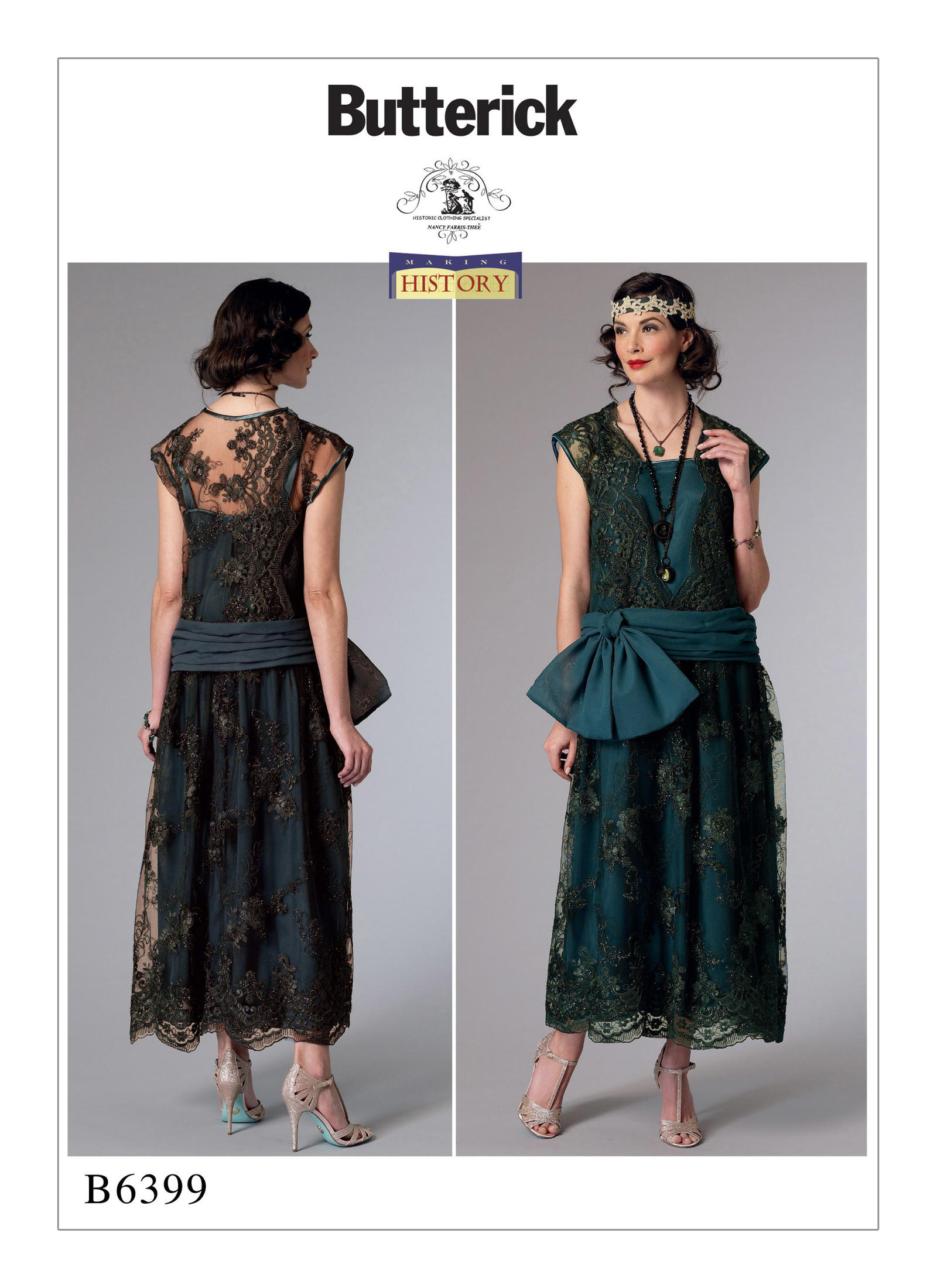
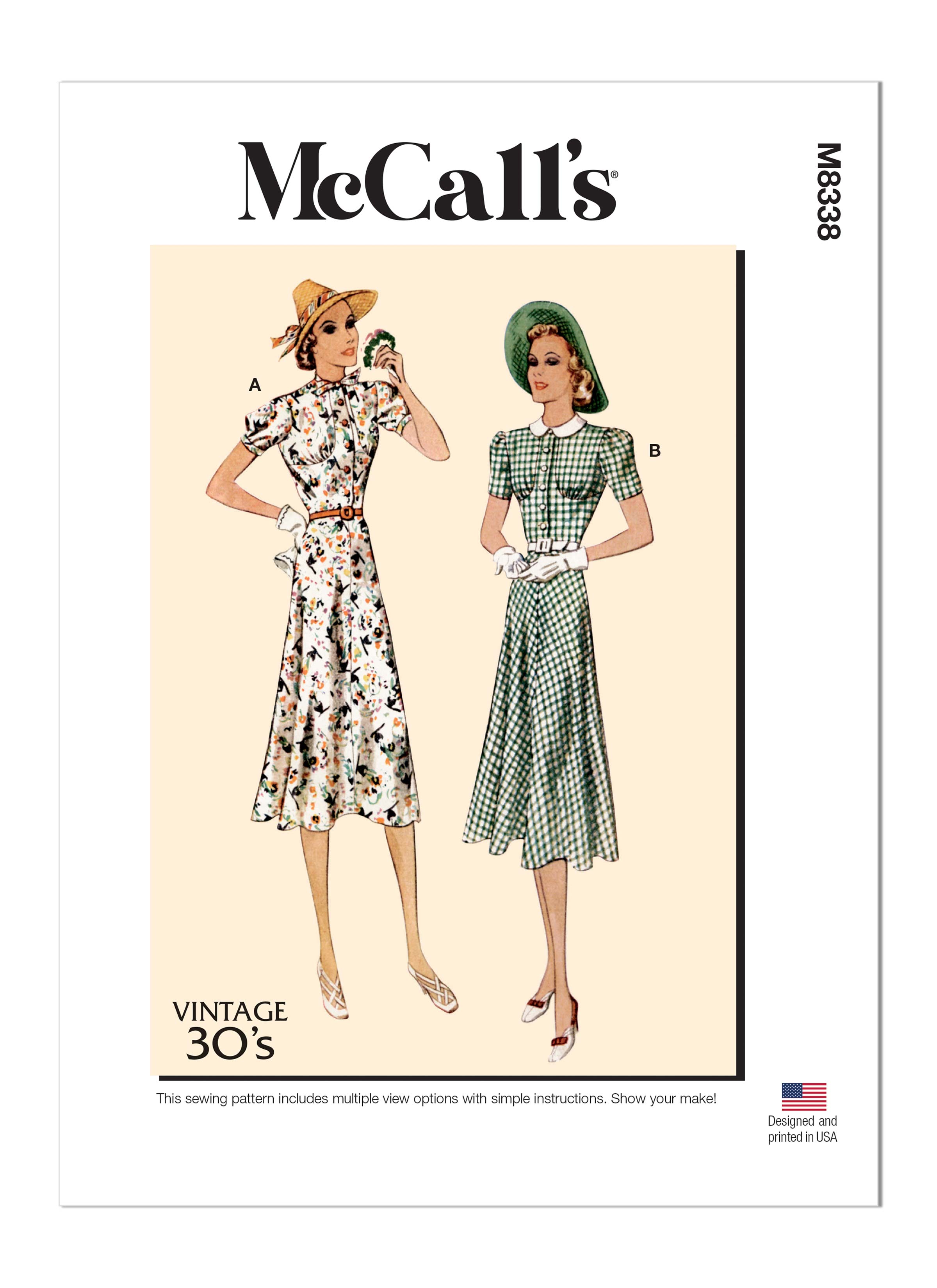
Bias Cut Dresses in the Golden Age of Hollywood
-
1930's
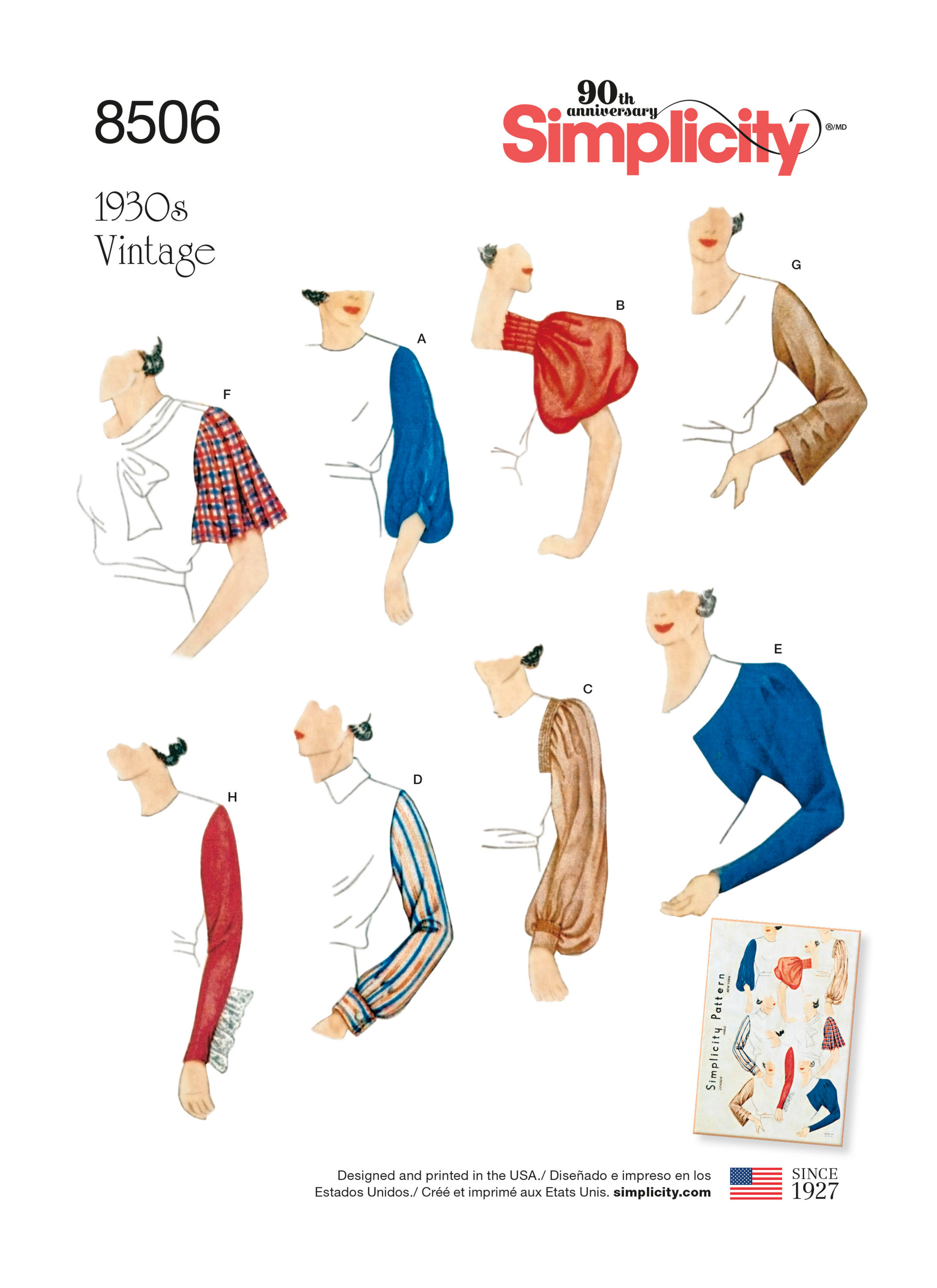
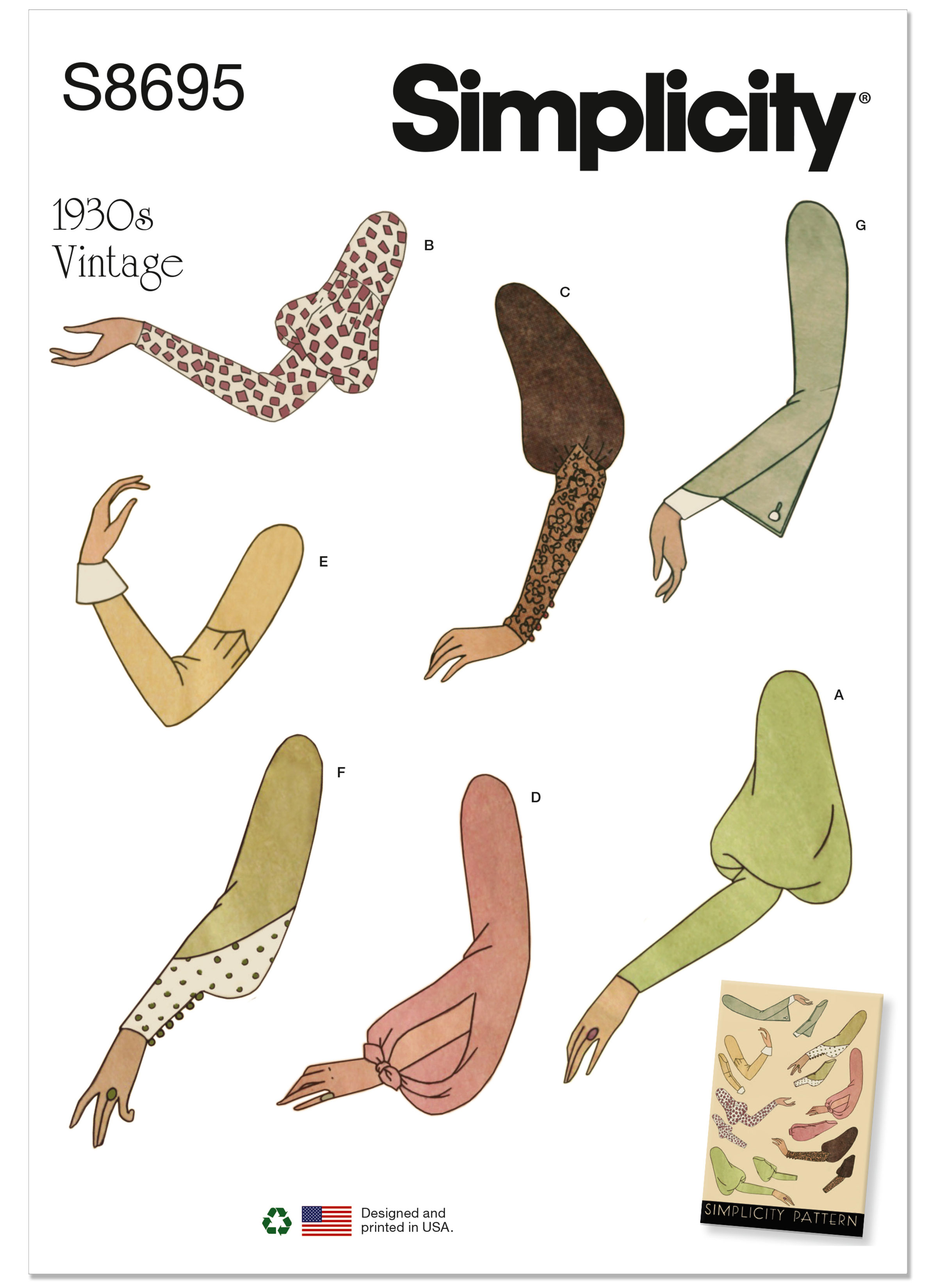
Innovation: Simplicity launched separate Sleeve Gussets Sewing Patterns (S8695, S8506) Gussets became more common in the 19th century with the rise of tailored clothing. The Great Depression spurred upcycling and reusing old garments creating a need for replacement "components".
-
1930's
Innovation: McCall's started printing the date of release on pattern envelopes, making it easier to date the patterns and track patterns.
-
1932
Simplicity joined McCall's by printing full-color illustrations on all pattern envelopes, enhancing visual appeal and easier to understand.
-
1932
Condé Nast pattern companies begin selling designs based on the outfits worn by Hollywood movie stars who were often pictured on the pattern envelope. This offered sewists glamorous clothes on a limited budget.
-
1934
Simplicity formed the Education Department, founded by Mrs. Caroline Shapiro, who was one of the first Home Economists in business. She retired in 1968.

1940's
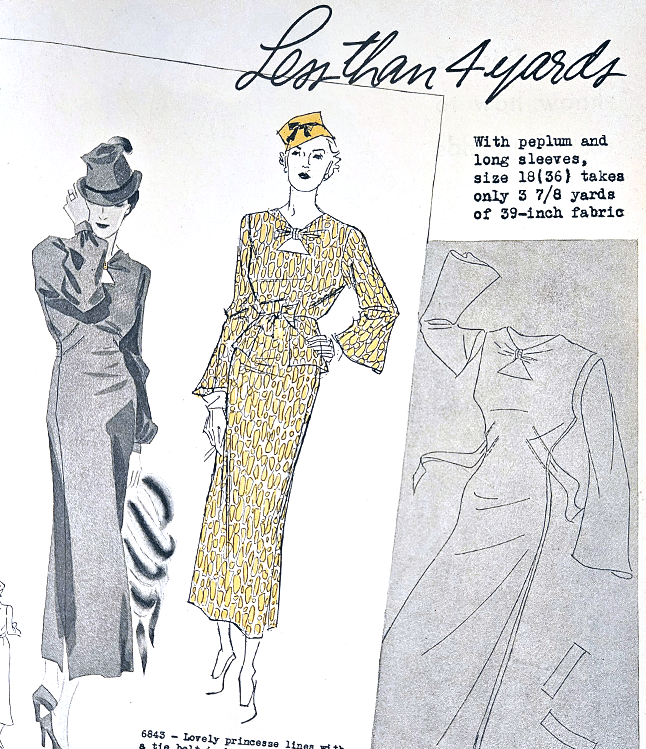
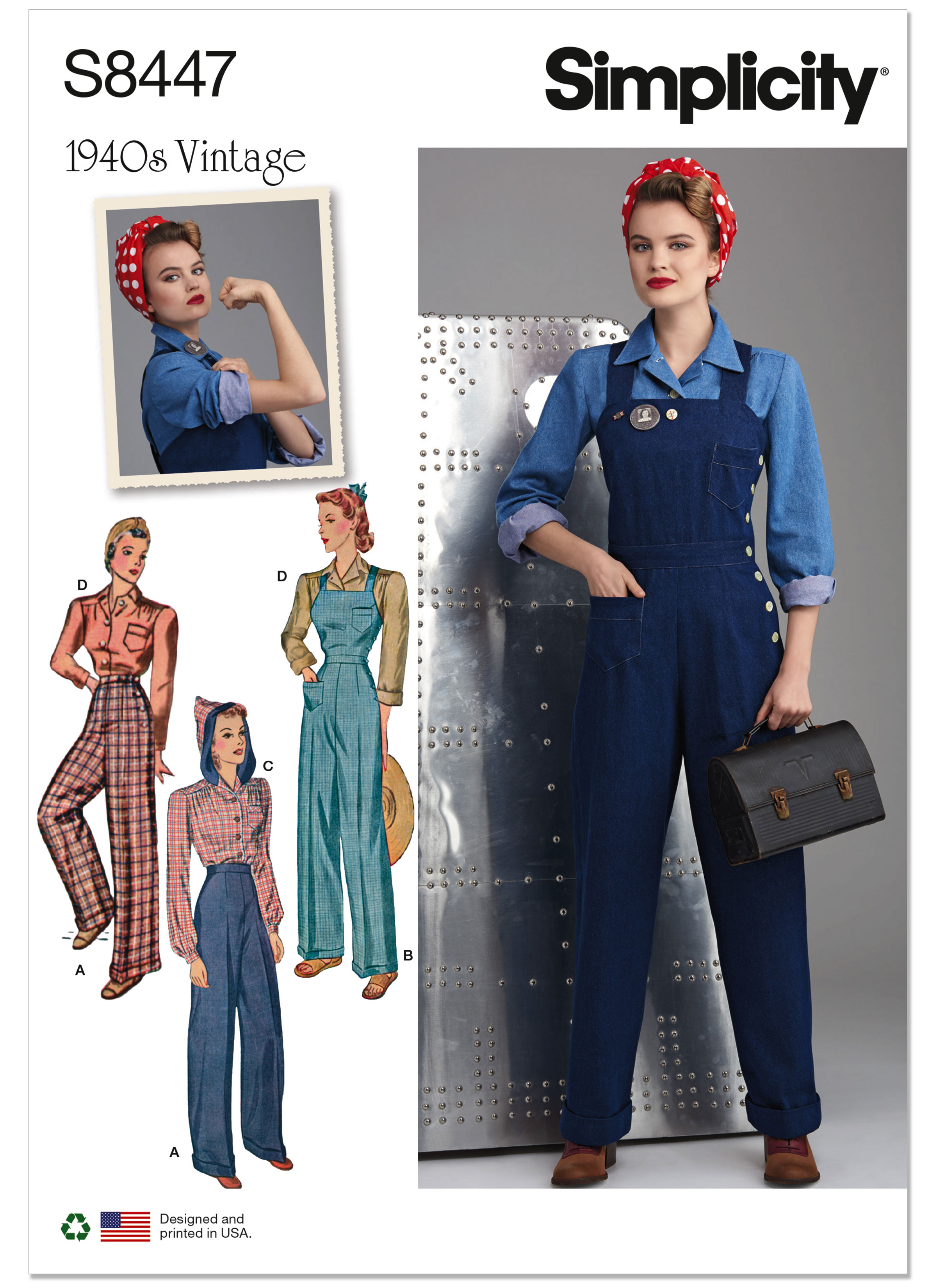
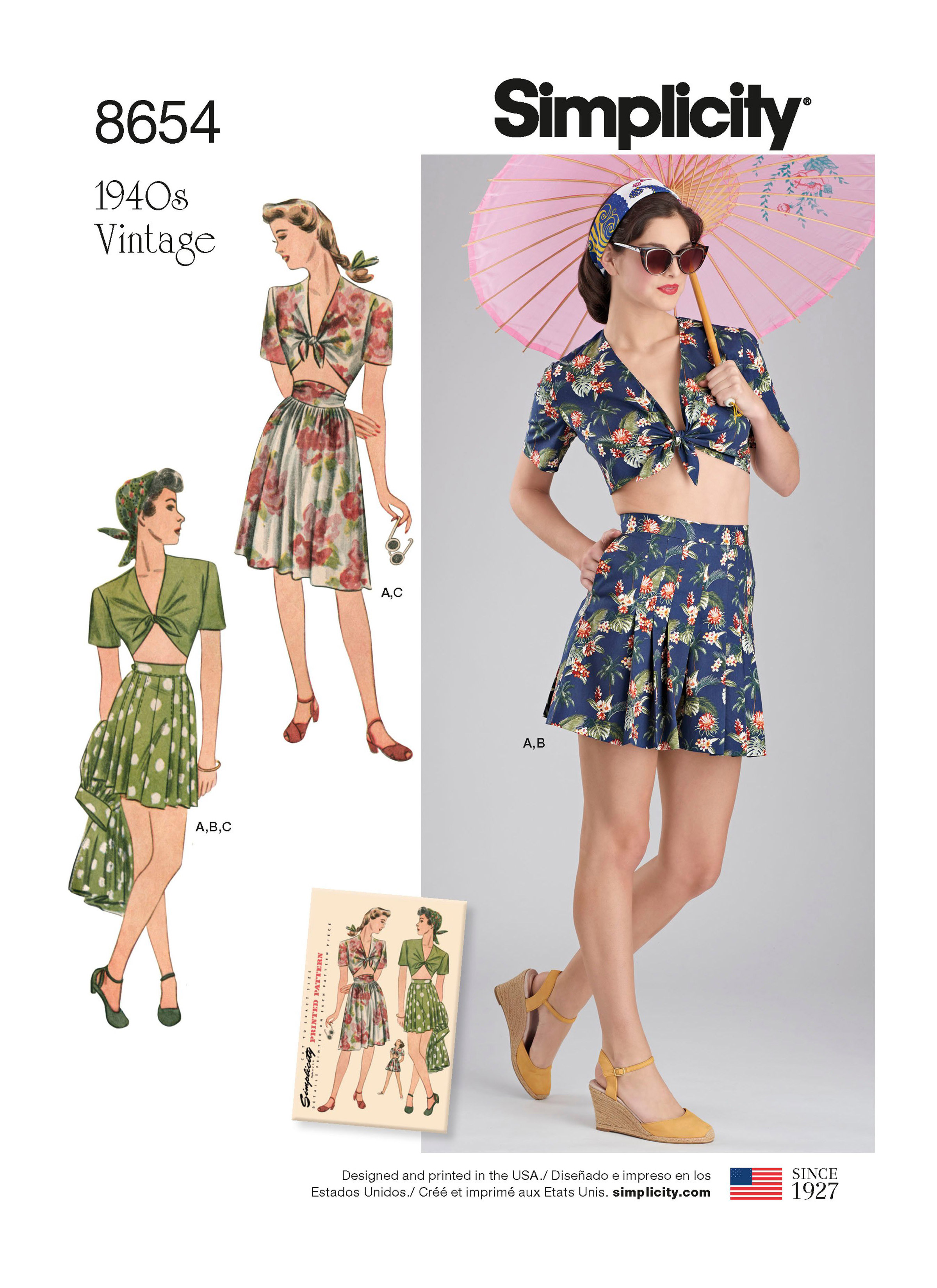
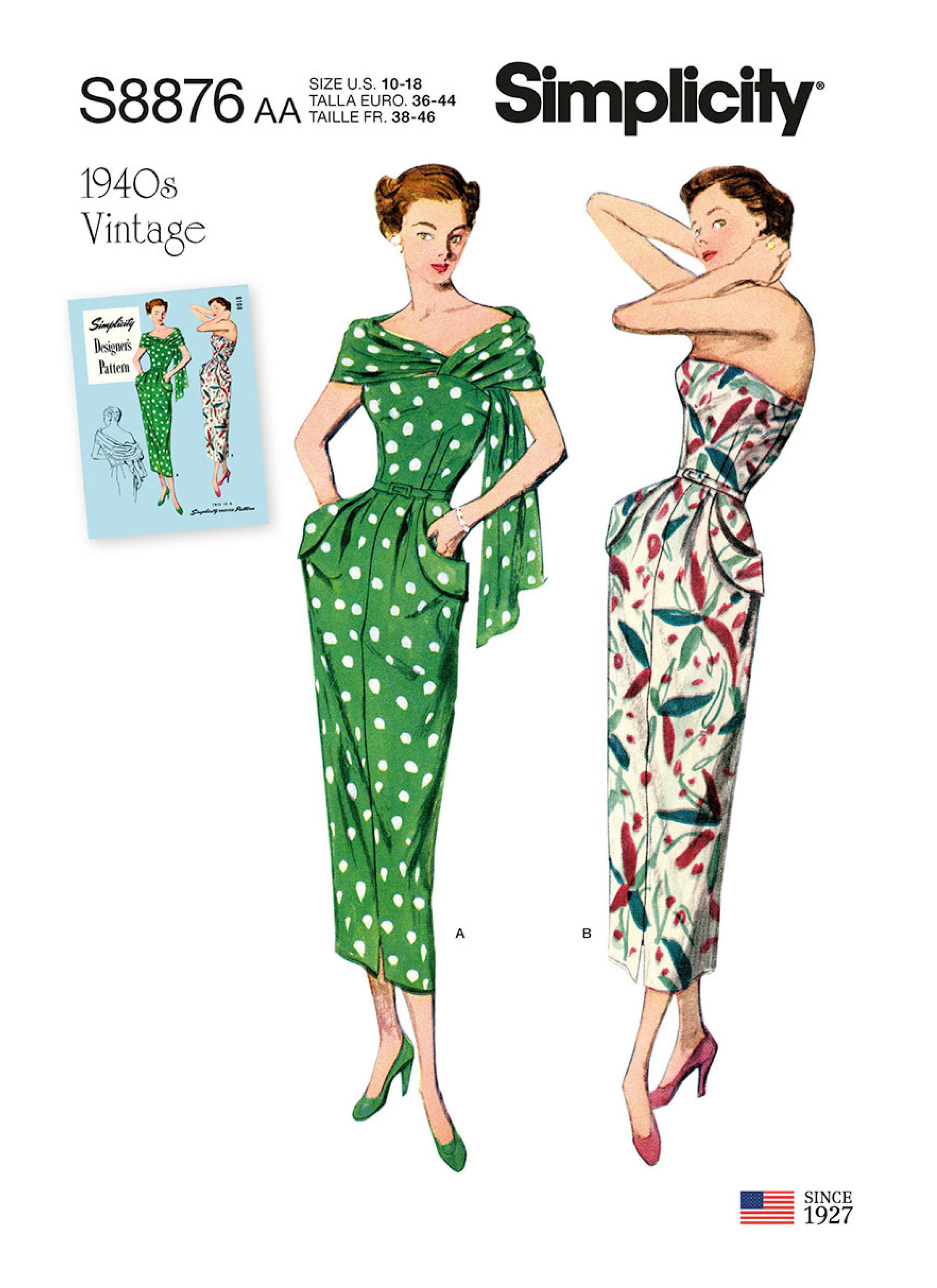
Home Sewing Sweeps the Nation and "The Core 4" are Established
-
1940's
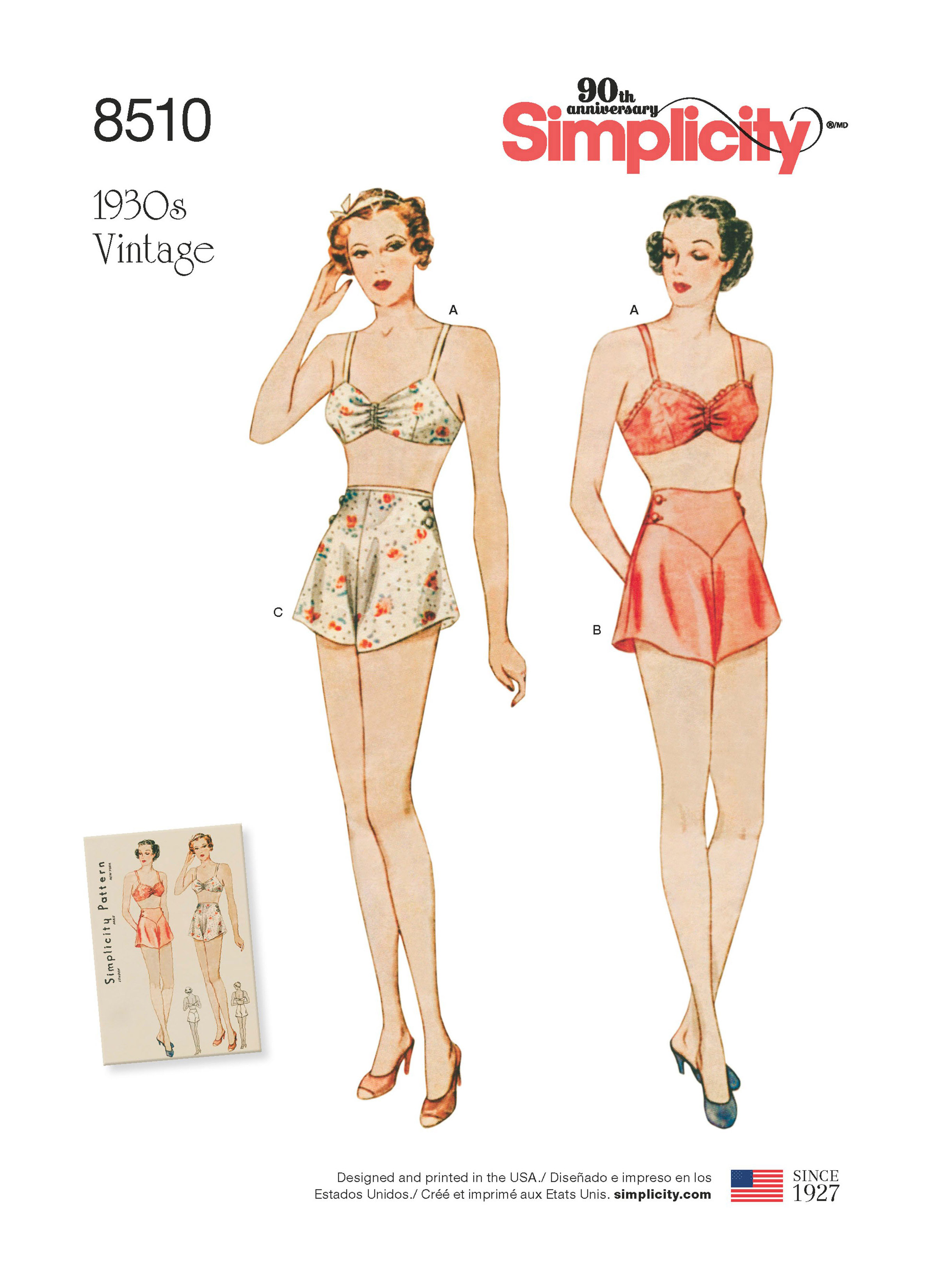
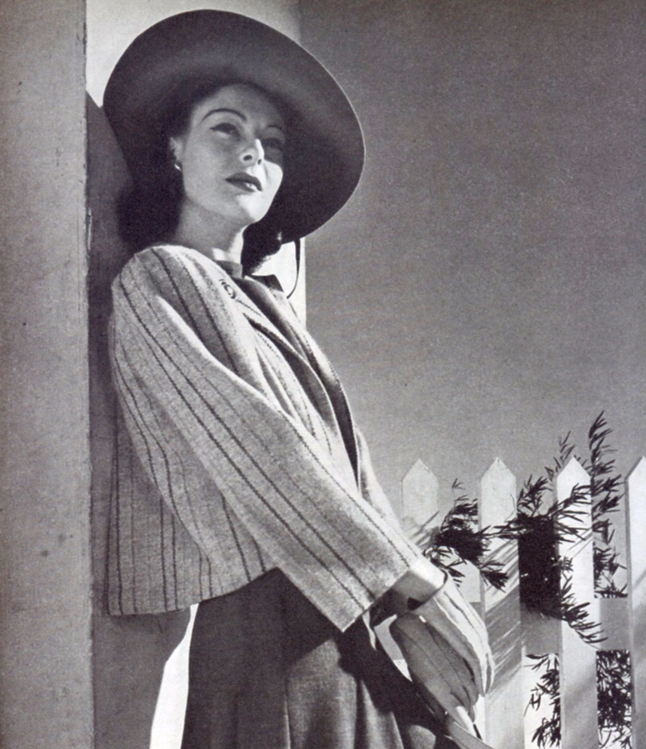
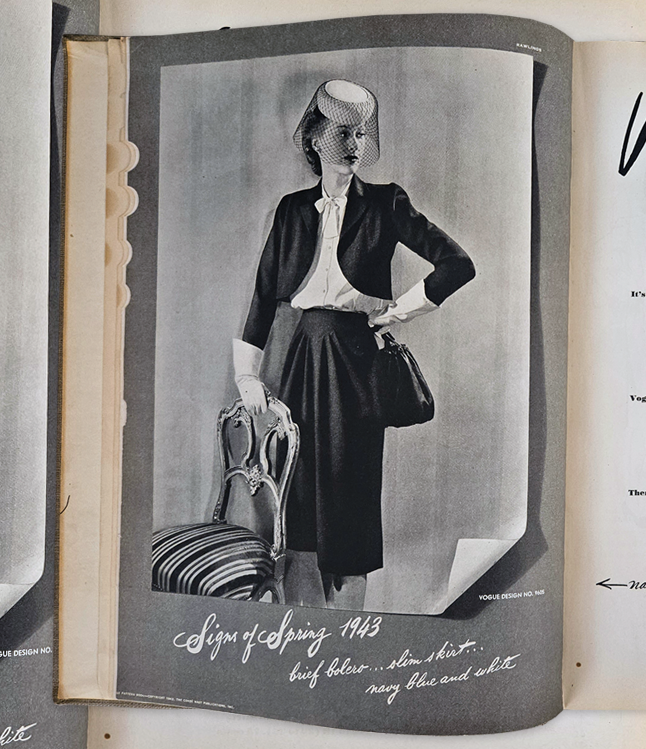
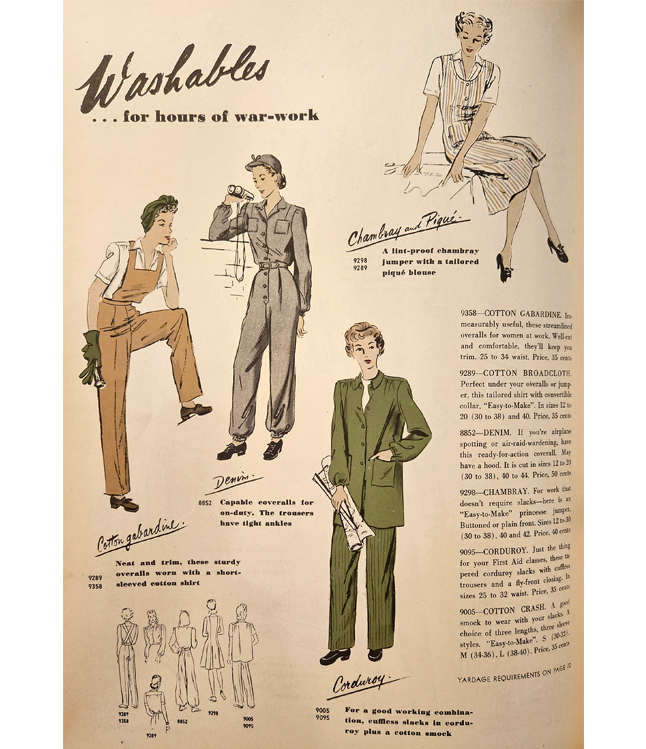
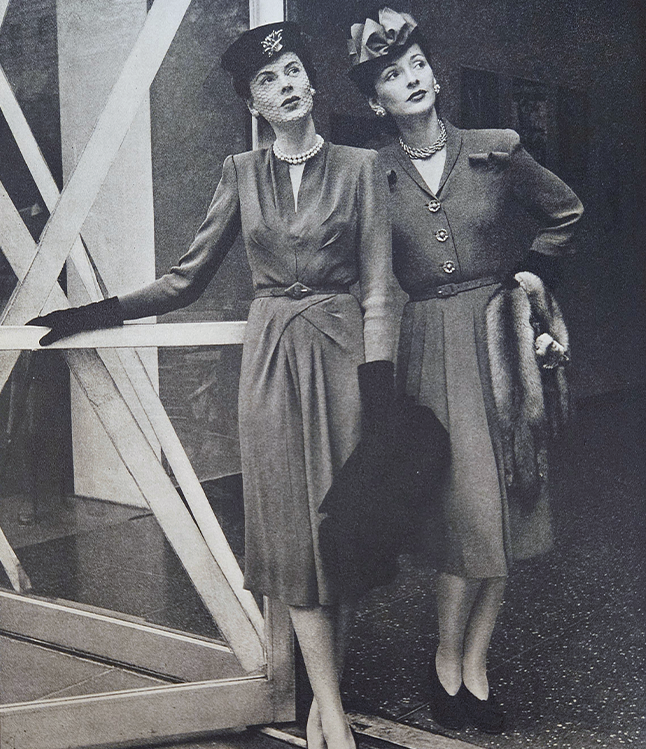
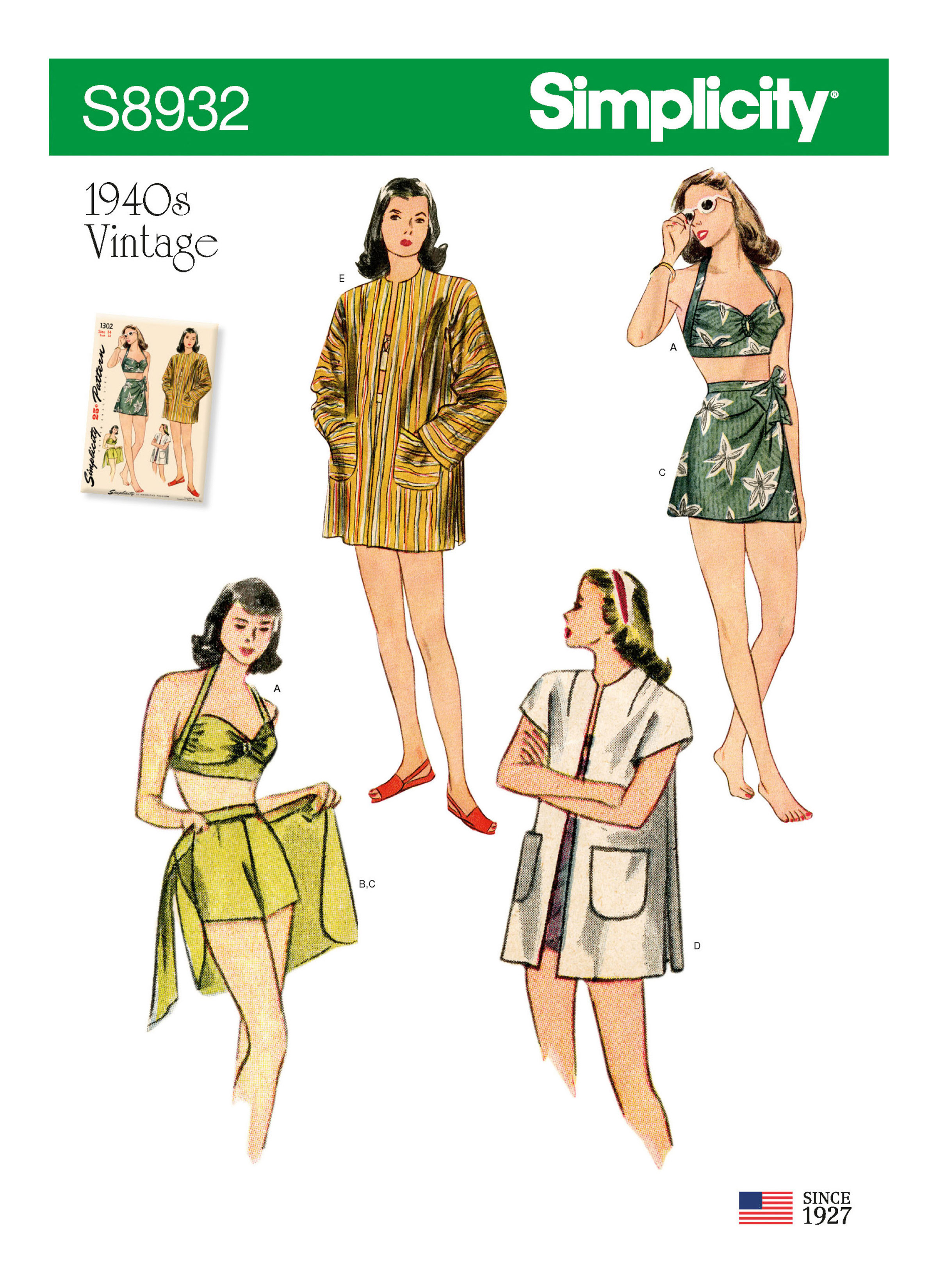
During WWII, due to rations, Simplicity and Vogue Patterns became known for sewing patterns that required minimal fabric and could be upcycled from existing dresses and suits.
-
1940's
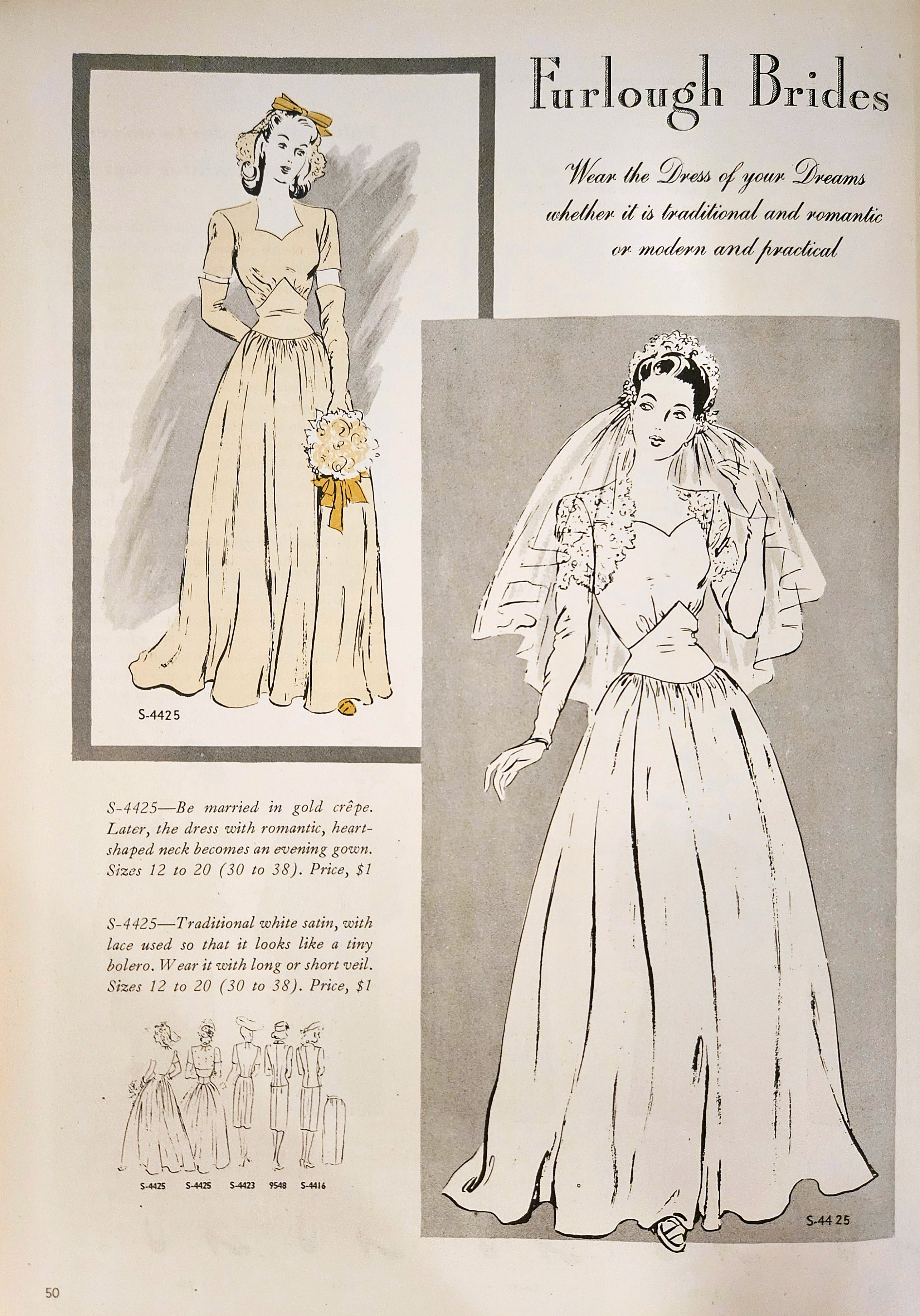
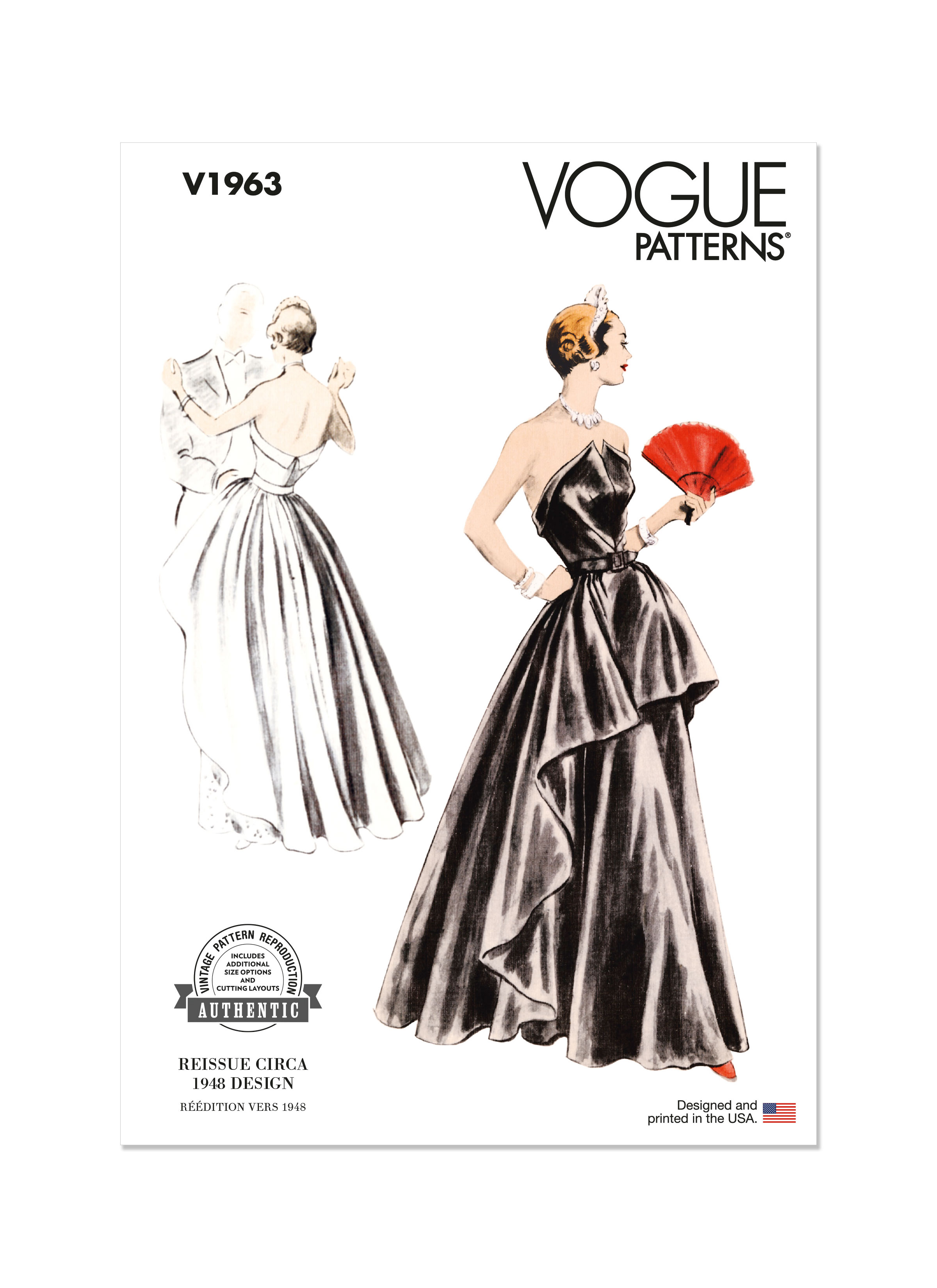
Fashion Trend: The Vogue Patterns semi-formal brides dress sewing pattern from the 1940s was particularly notable for its elegance and detailed instructions, reflecting the era’s fashion trends.
-
1940
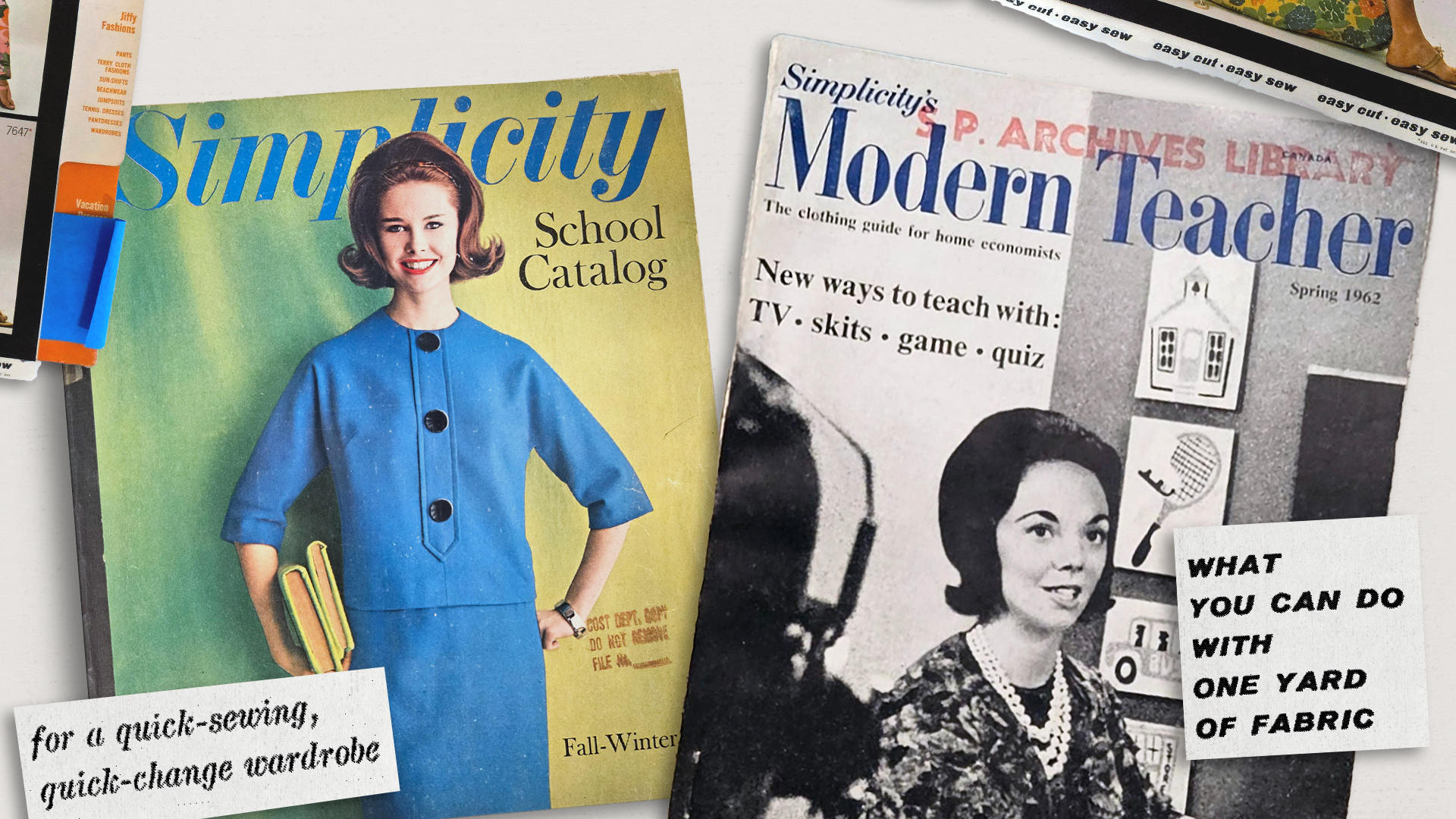
Simplicity Patterns drives public school sewing education by introducing travelling representatives for teacher training, student fashion shows, and by maintaining curriculum literature with annual updates. Home Economist and owner, Caroline Hutchinson Shapiro developed Simplicity Pattern’s Department of Education to support public schools, today Simplicity.com offers comprehensive online tutorials and discounted patterns for educators.
-
1945
Electric Sewing Machines go mainstream! The “new” technology expansion was due to 85% of US households having consistent access to electricity, allowing for personal sewing machines to be commonplace.
-
1946
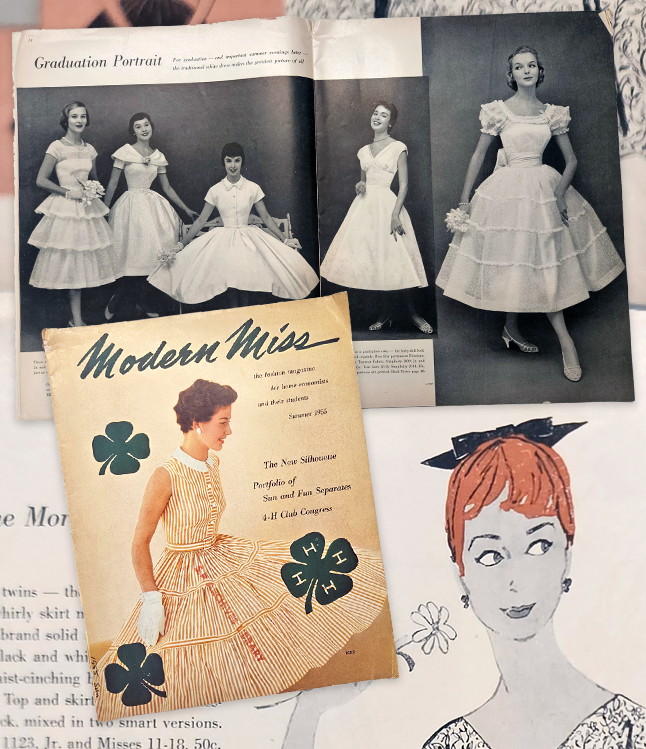
Simplicity Patterns Sponsored the 1st 4H Dress Review/Fashion Show and continued to be the main sponsor for the next 40 years.
-
1949
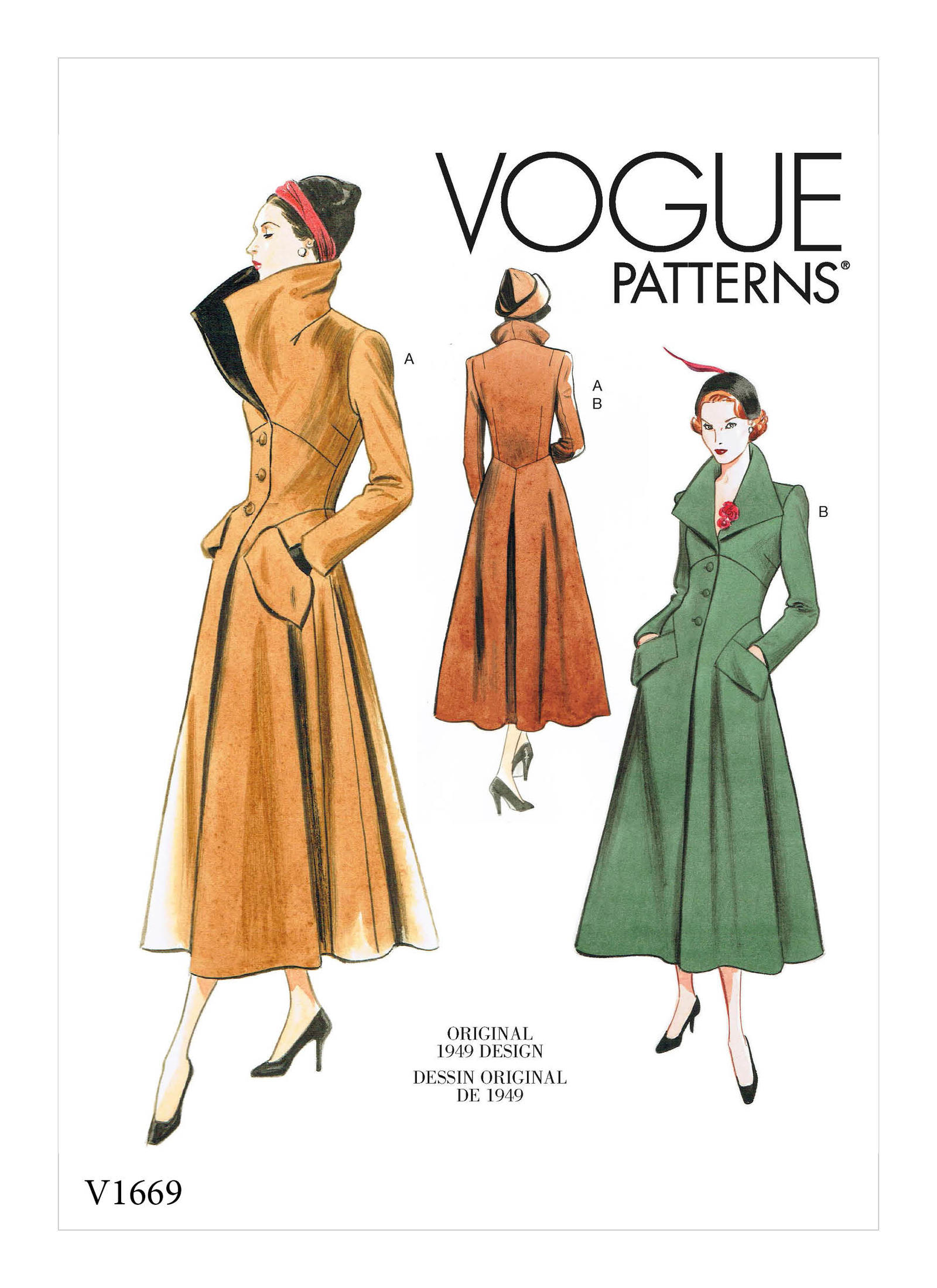
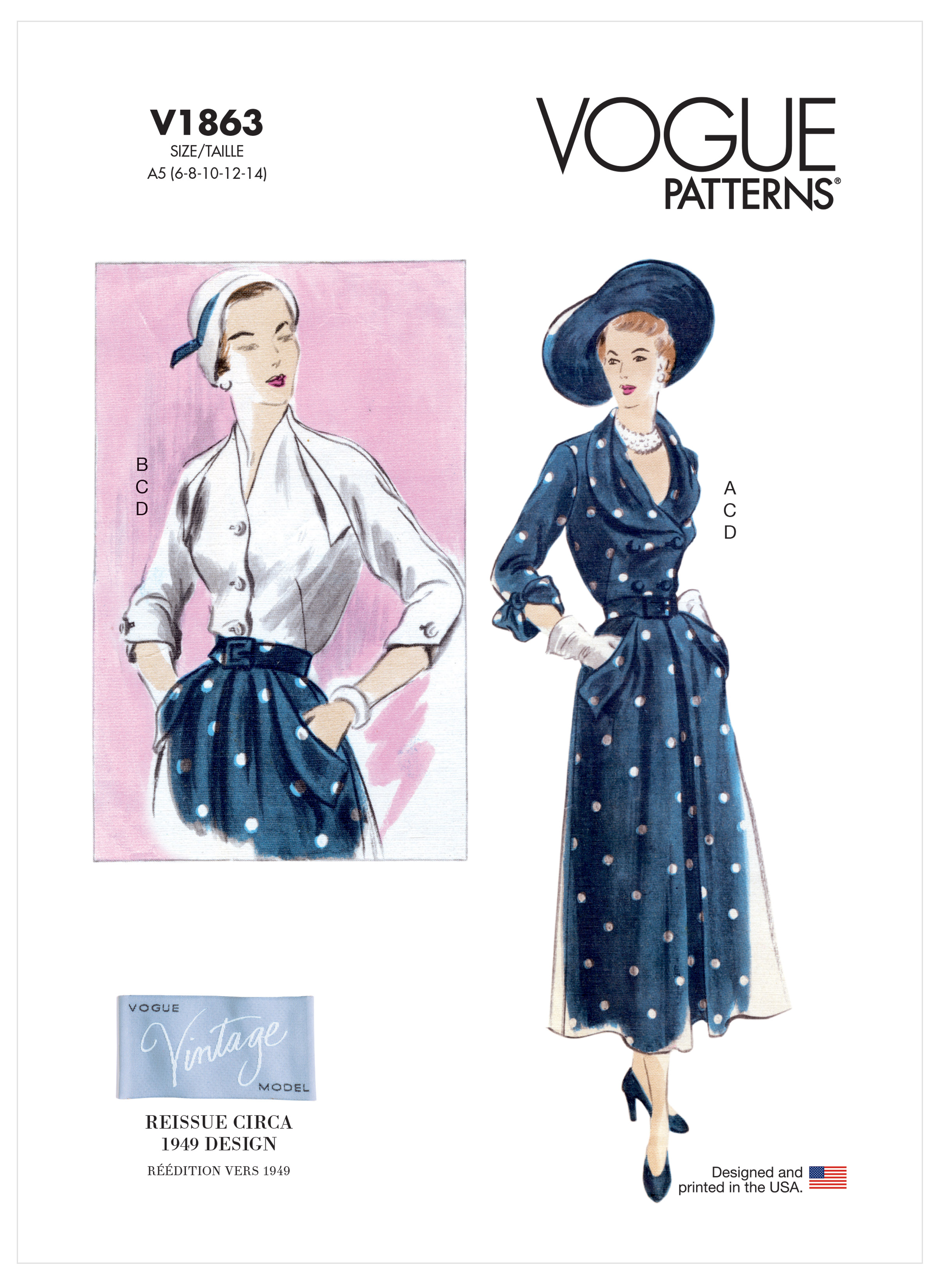
Vogue Patterns launched Vogue Paris Originals, sewing patterns drafted directly from the designers’ own working muslin patterns with runway worthy dresses and suits from Parisian fashion designers: Pierre Balmain, Jacques Fath, Jacques Heim, Lanvin, Molyneux, Paquin, Robert Piguet et Schiaparelli.
-
1949
Lanvin's license moved from McCall's to Vogue Patterns becoming an early "Vogue Paris Original" designer. Lanvin’s debut sewing pattern collection was photographed by Cecil Beaton.

1950's
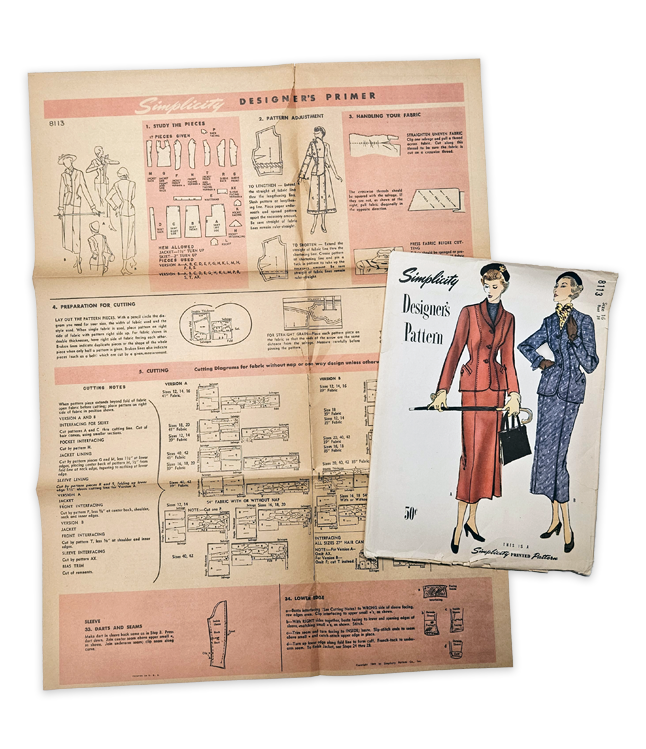
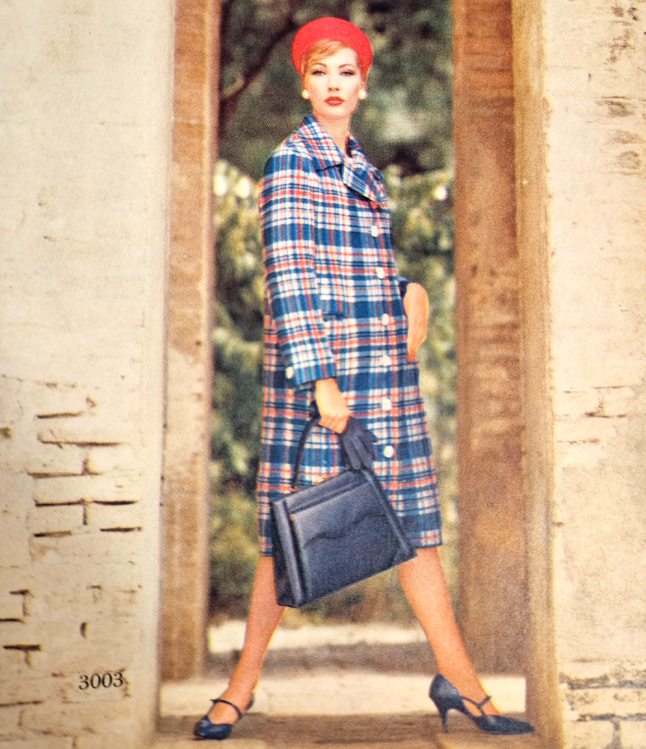
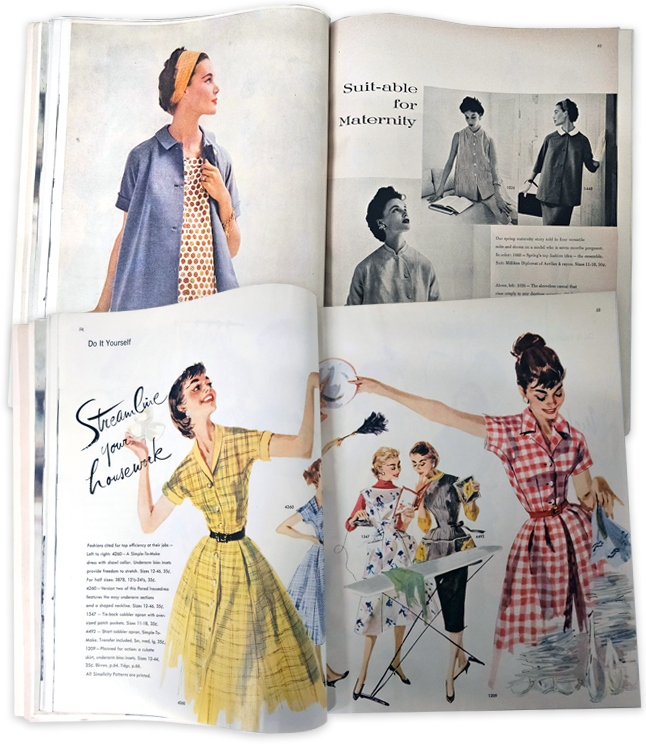
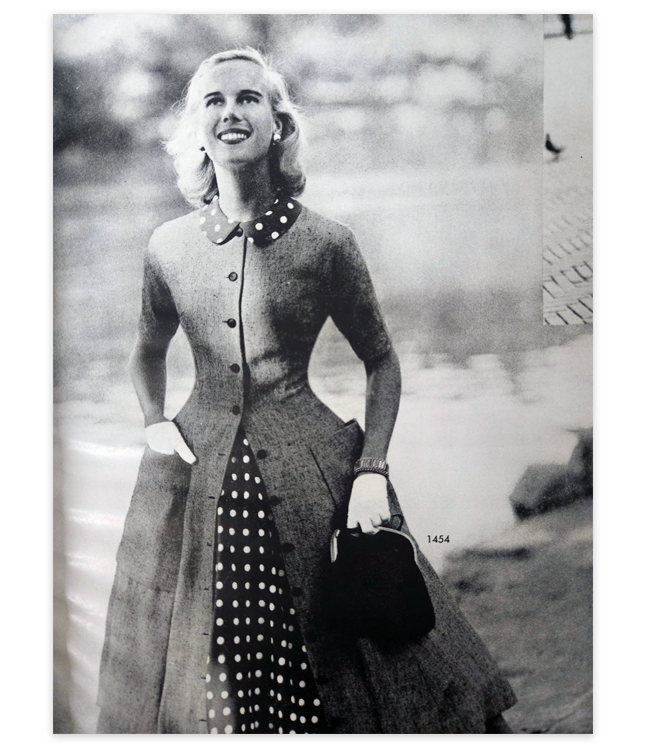

A New Look into the 50's with European Designers
-
1952
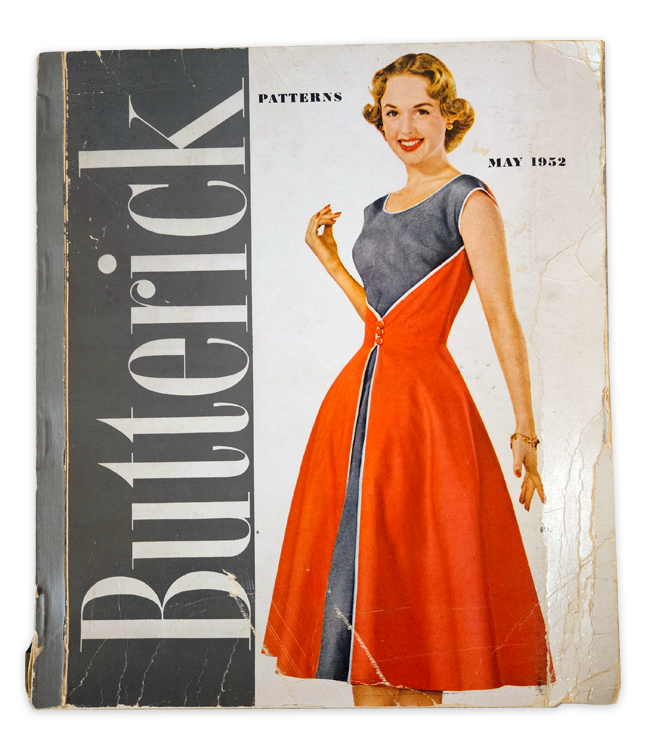
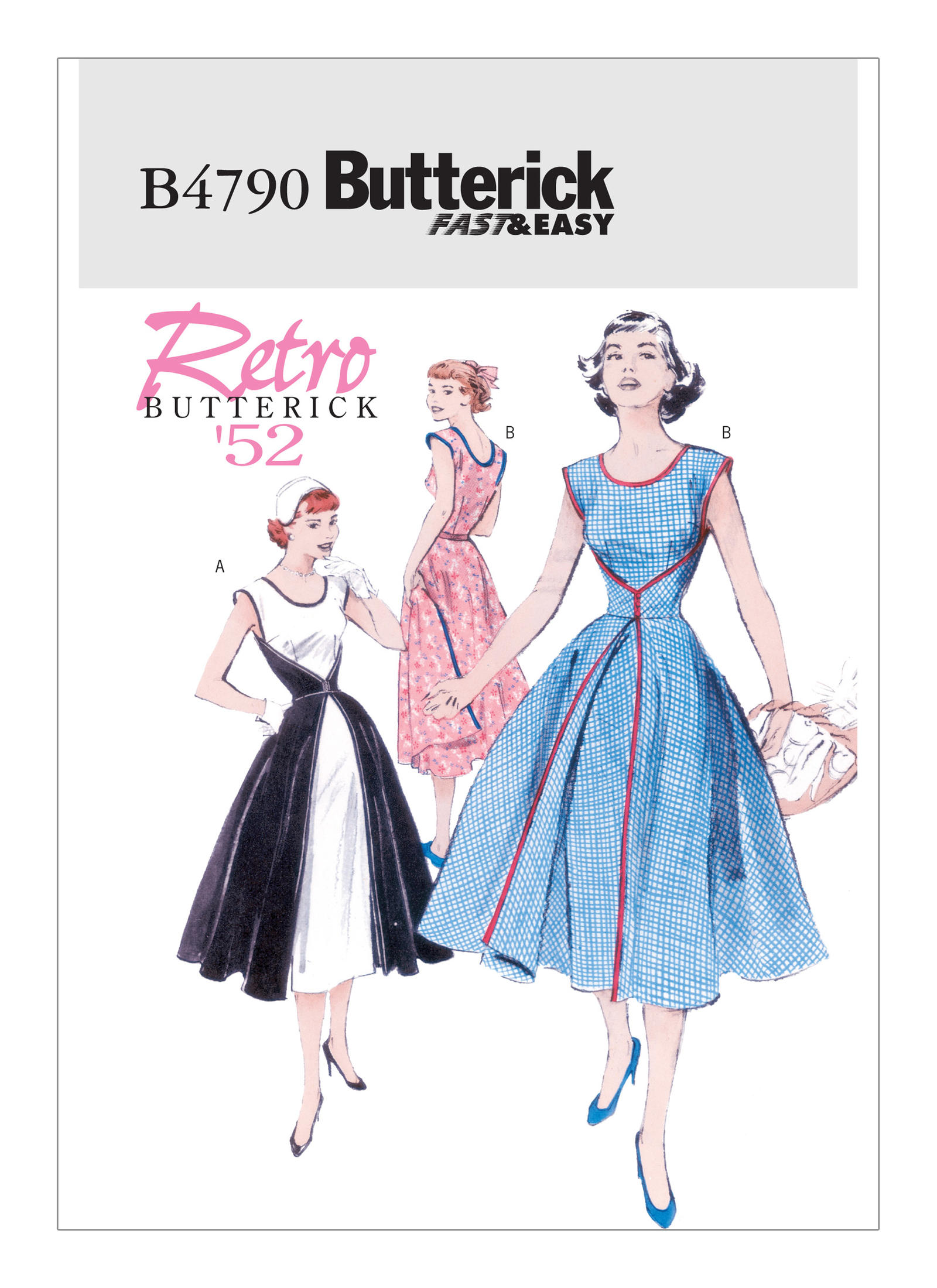
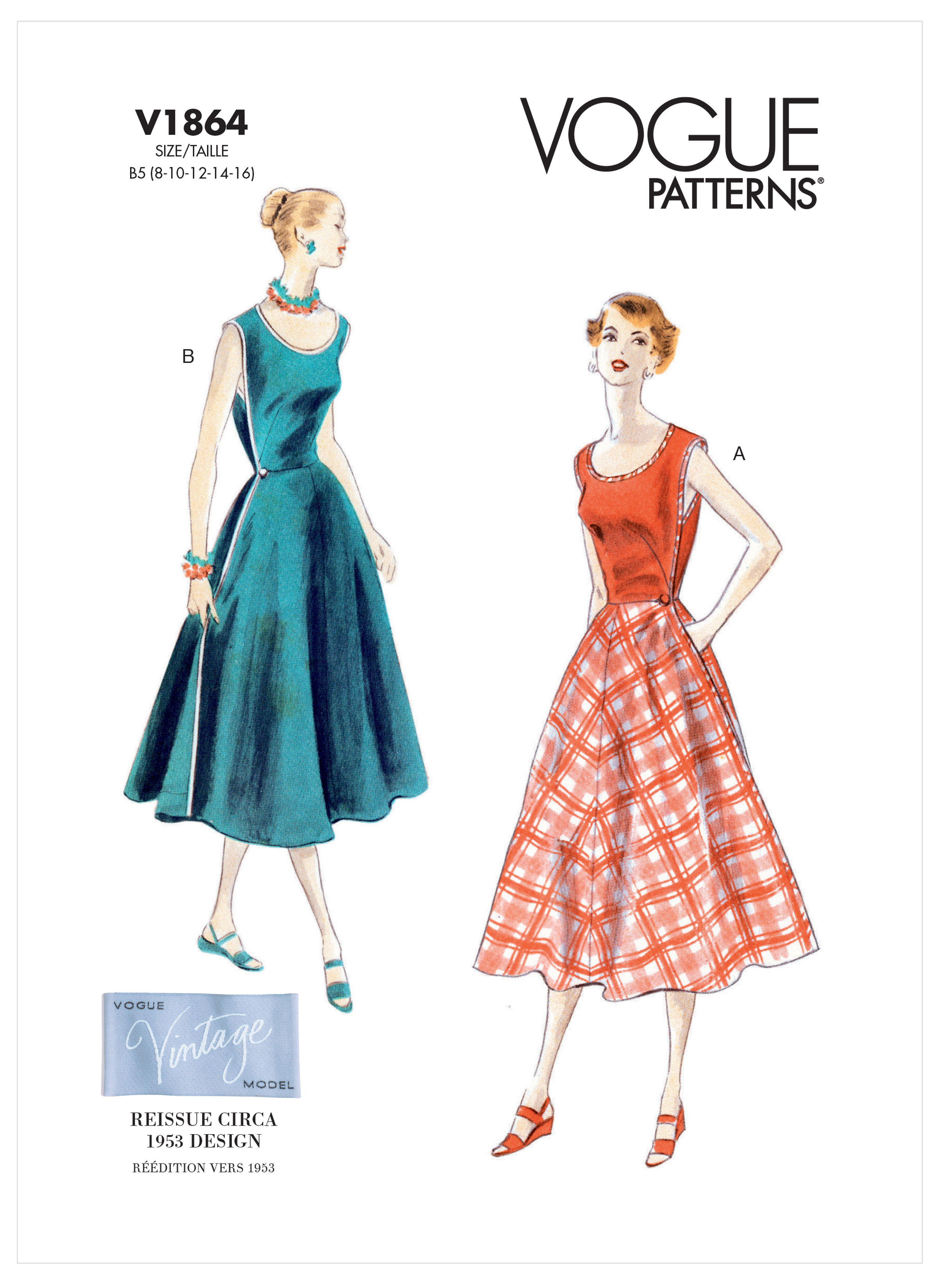
The Butterick Walk-Away Dress is received so well, Butterick halted the production of all its other dressmaking patterns until backorders were fulfilled. The original sewing pattern, known as Butterick 6015 was subsequently published with many variations.
-
1952
Vogue Patterns offered millinery patterns by Mr. John starting a cloche hat with a brim could be worn down or folded up on one side.
-
1957
Hubert de Givenchy is licensed by McCall's and introduced to the US home sewer with a headshot and newsletter inserted into the pattern envelope.
-
1958
Simplicity Patterns became one of the fastest-growing pattern companies, opening offices in Canada, London, and Australia, and distributing patterns in over 60 countries. In August 11, 1958 Simplicity was admitted to the NY Stock Exchange.
-
1959
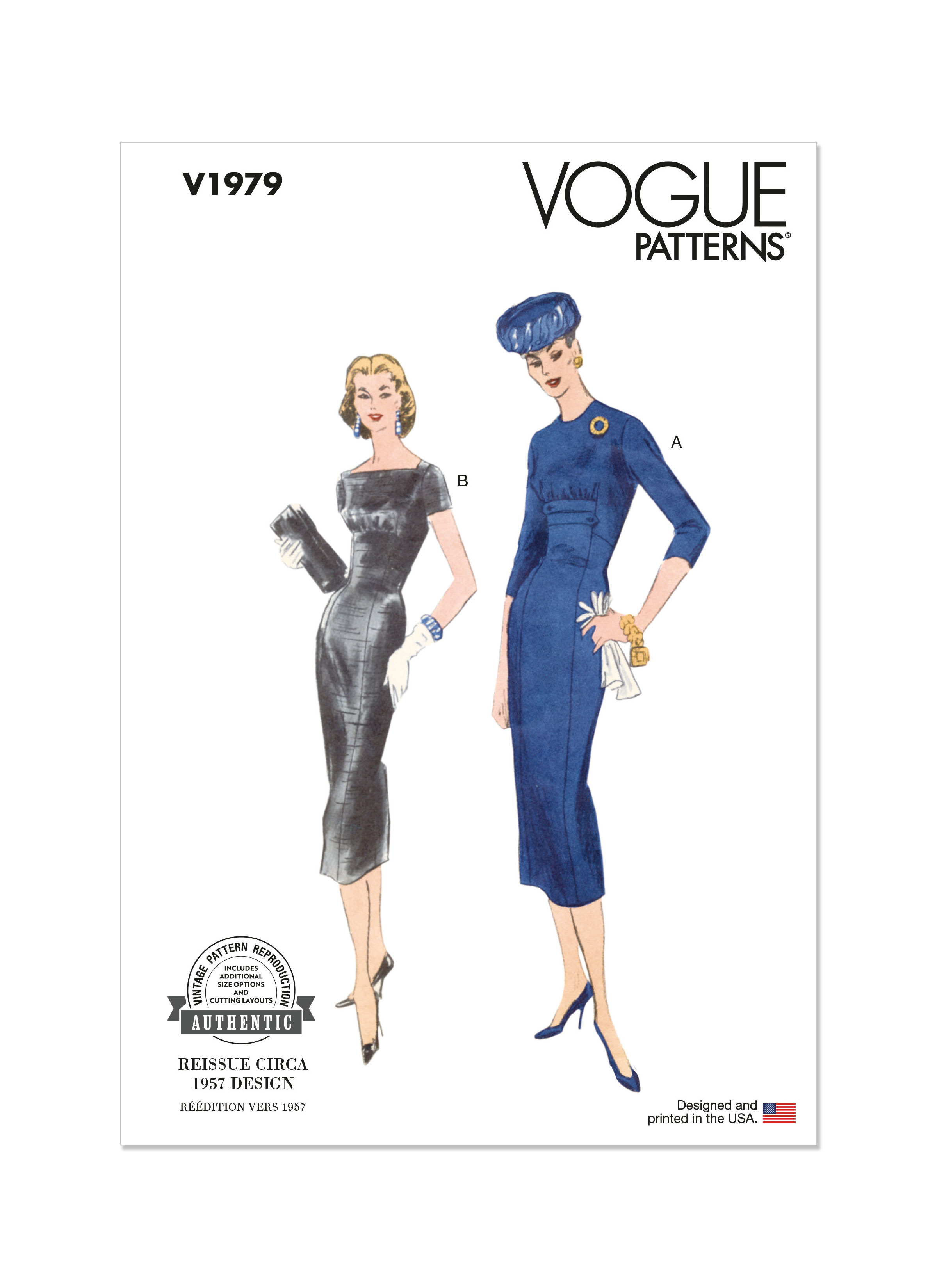
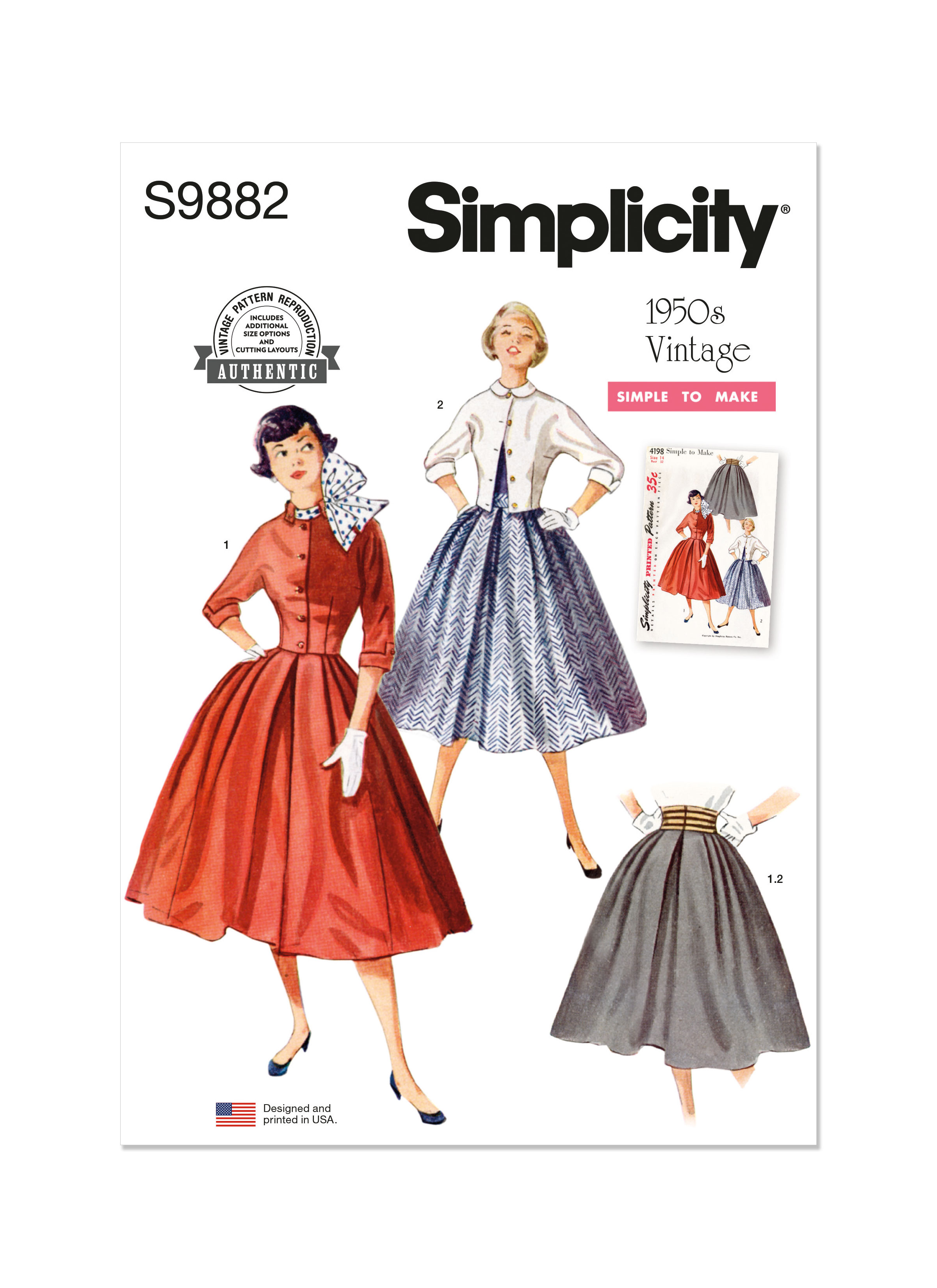
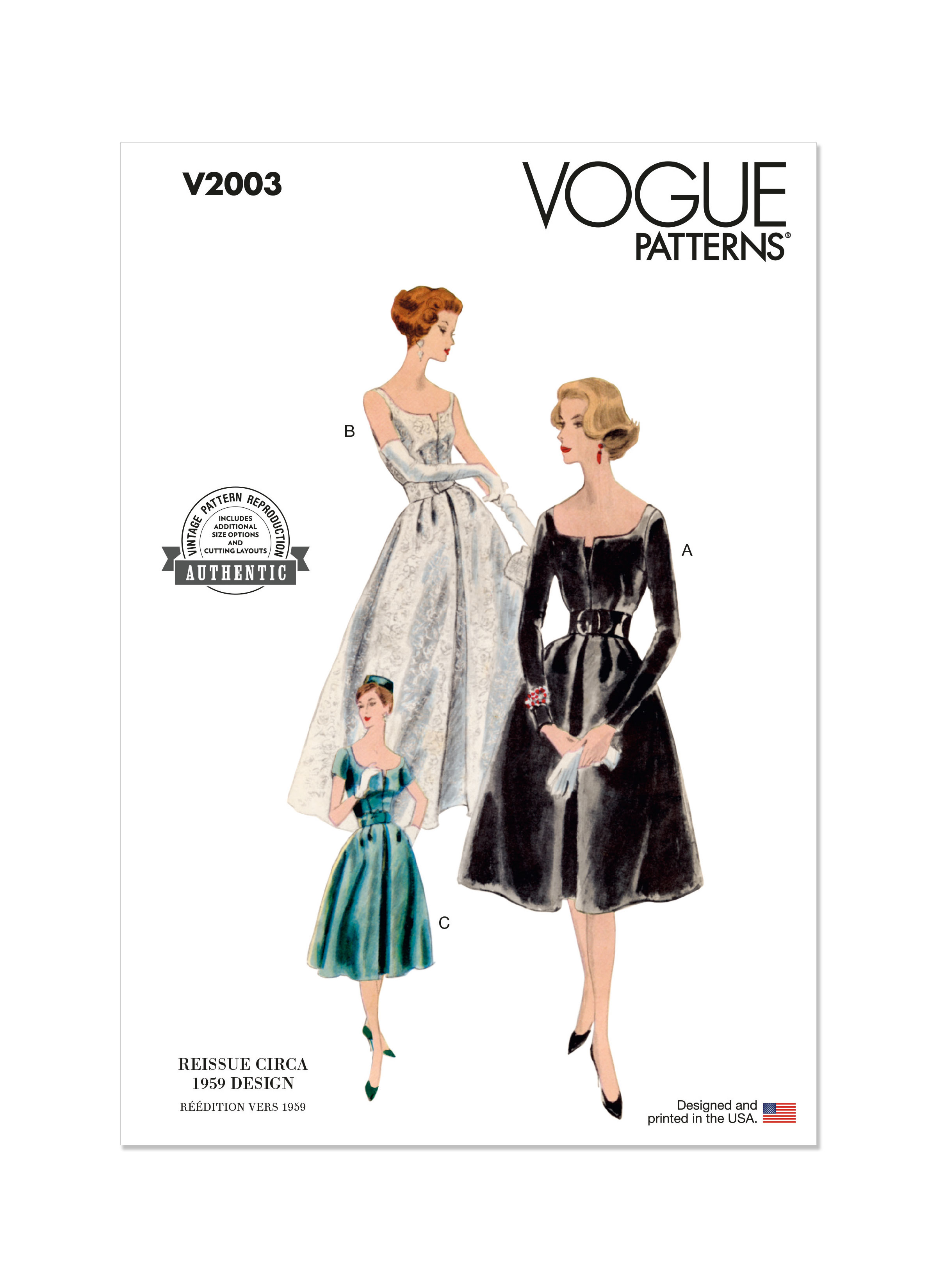
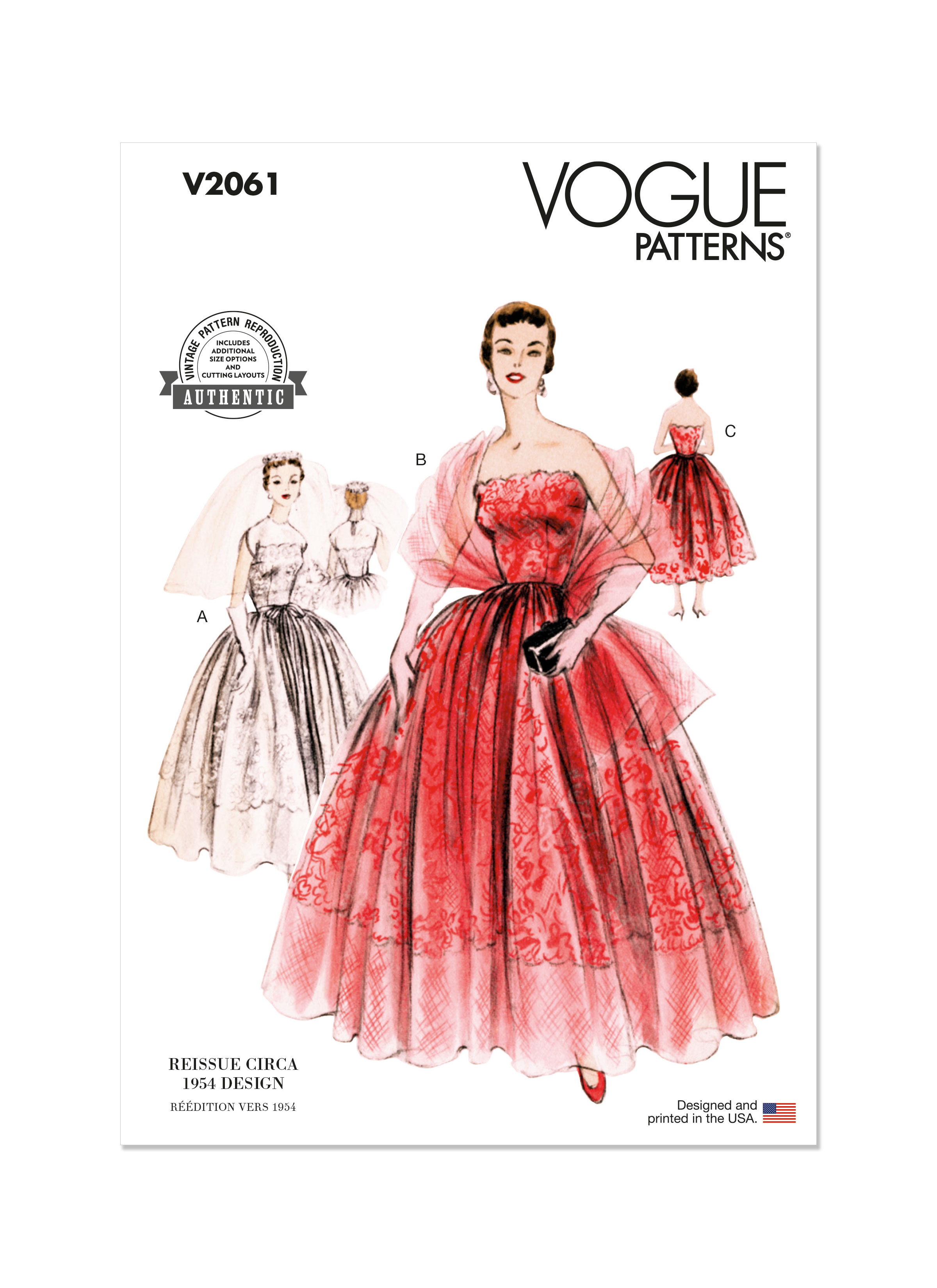
Vogue Patterns licenses ensembles by Yves Saint Laurent for Christian Dior beginning a 40+ year relationship with both design houses.
1960's
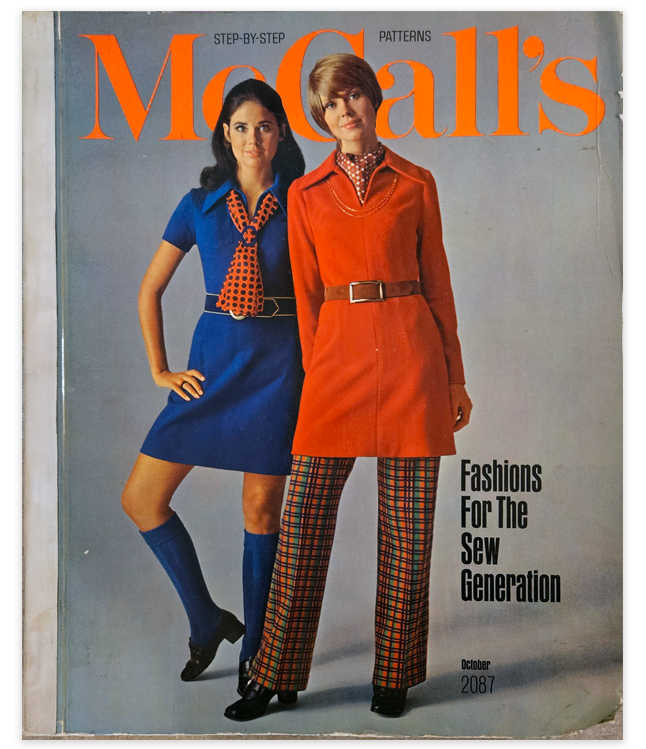
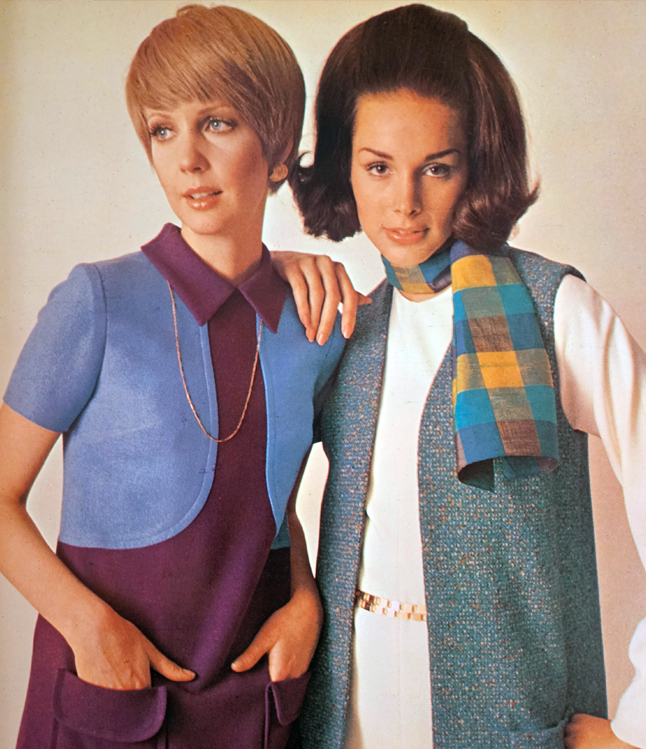
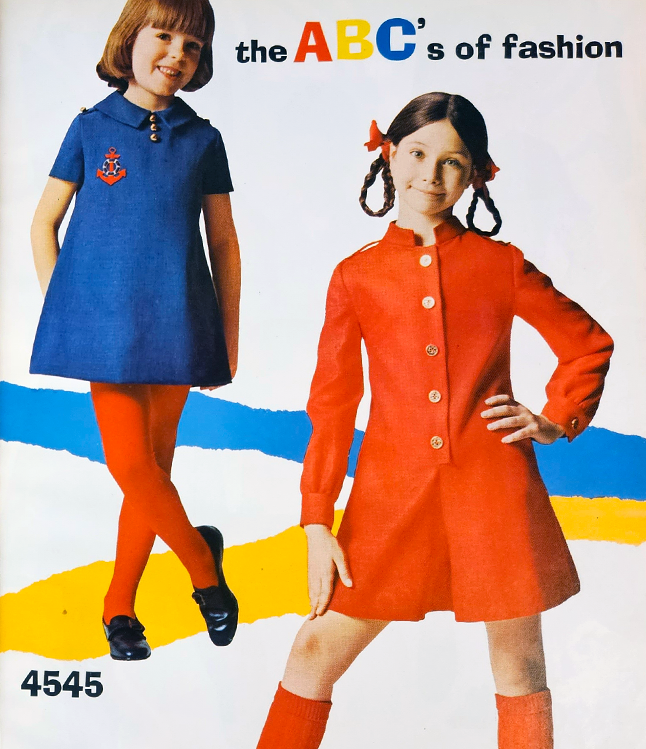
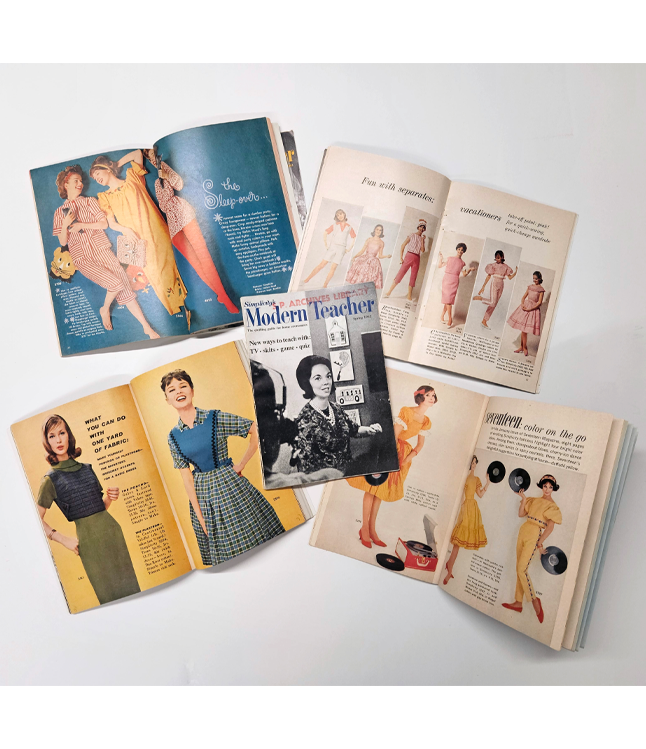
Committed to Education and the Future of Home Economics in Public Schools
-
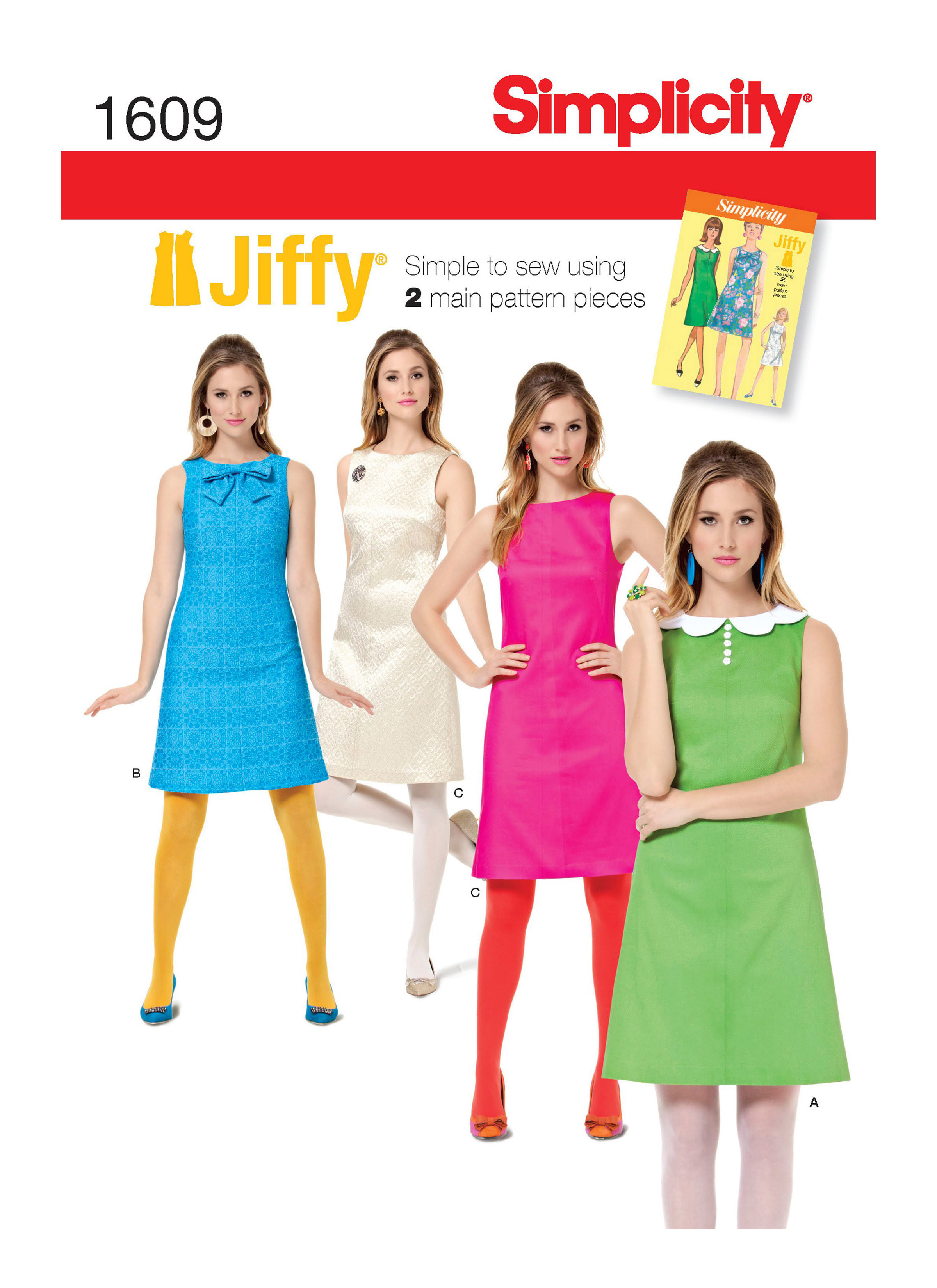
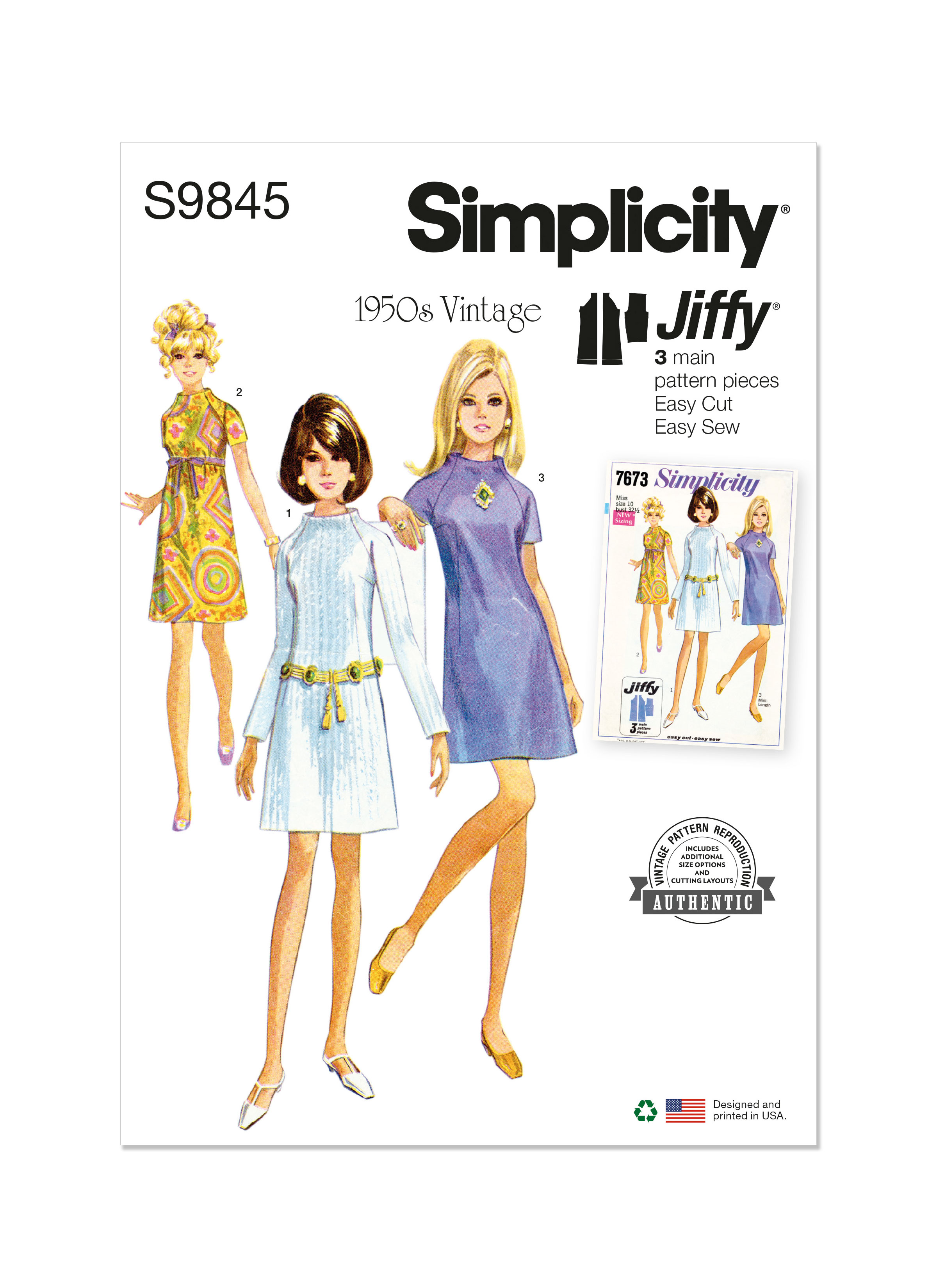
1960s
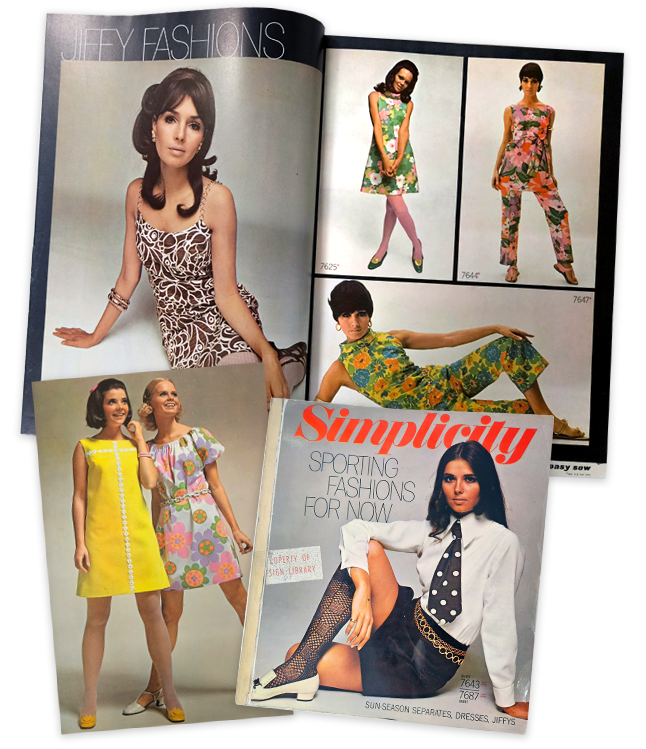
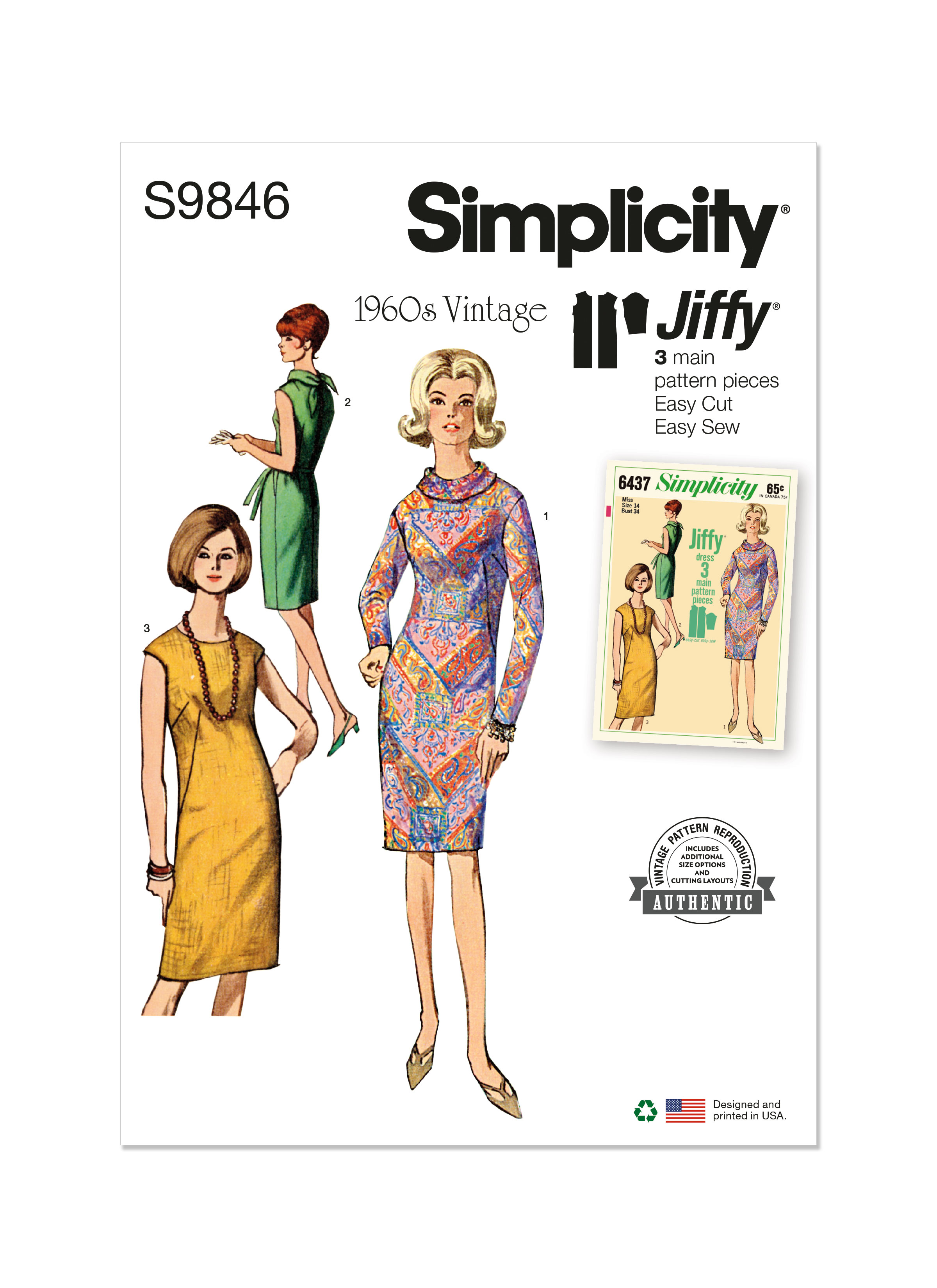
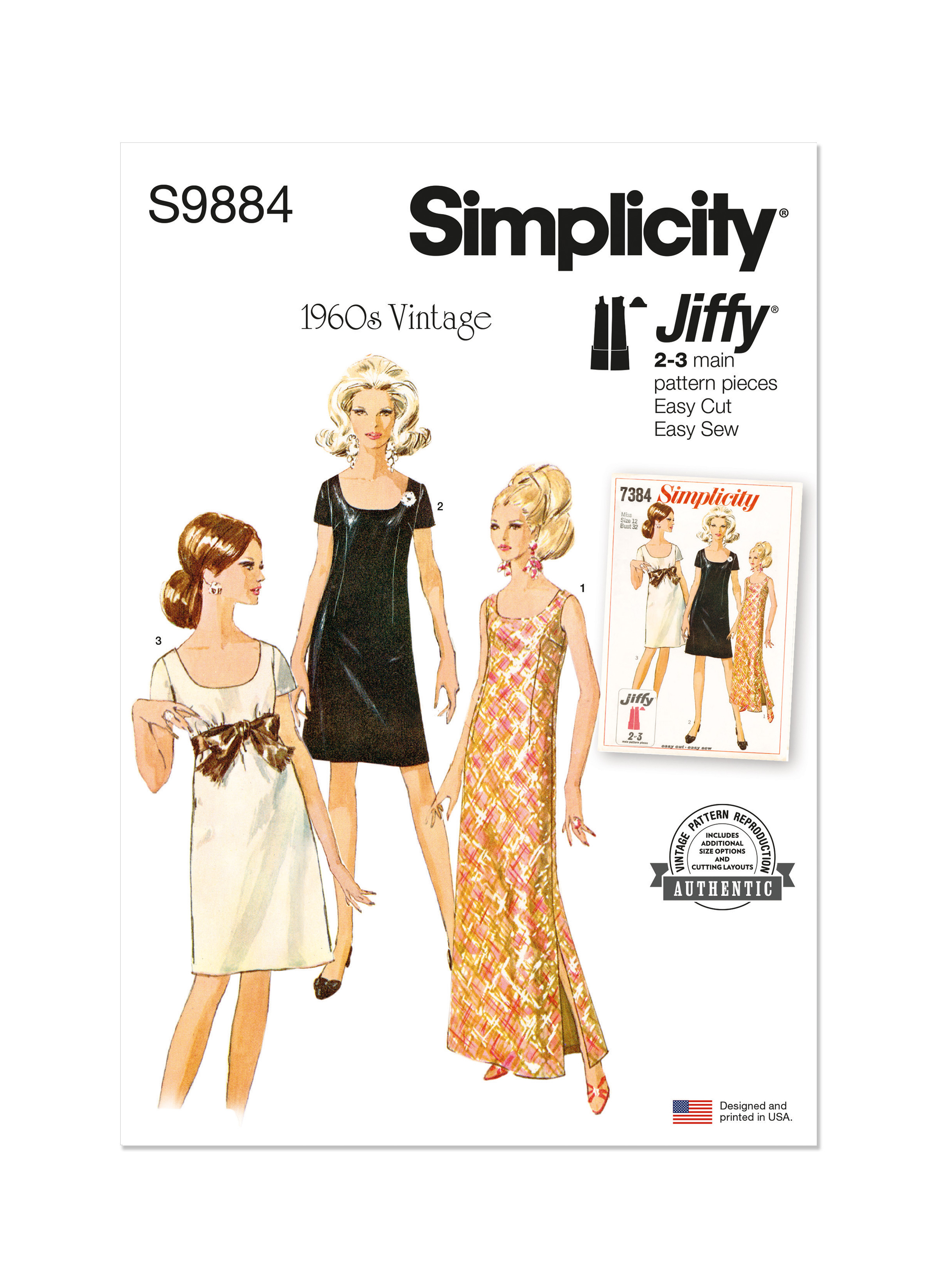
Simplicity launches the Jiffy line representing their core mission: to make sewing enjoyable and achievable for all who want to learn. Focusing on easy-to-sew instructions and minimal pieces.
-
1961
Butterick purchased the license for Vogue Patterns from Condé Nast Publications, incorporating the high-fashion designs and moniker.
-
1962
Simplicity Patterns were printed in English, German, Swedish, Dutch & Japanese with locations in Canada, England, Scotland, South Africa, Australia, New Zealand, and Japan.
-
1964
Butterick Patterns licensed designs from Mary Quant printing "Young Designer" and noting "London" on the envelop to distinguish her as the real "Chelsea Mod” fashion designer.
-
1964
The "face of the '60s" Jean Shrimpton was featured in Vogue Patterns for Lanvin pattern #1385
-
1965
McCall’s released 9 patterns adapted from André Courrèges for the Fall. The same year, an editorial titled: “The Look of Courrèges” was featured in the home catalog.
-
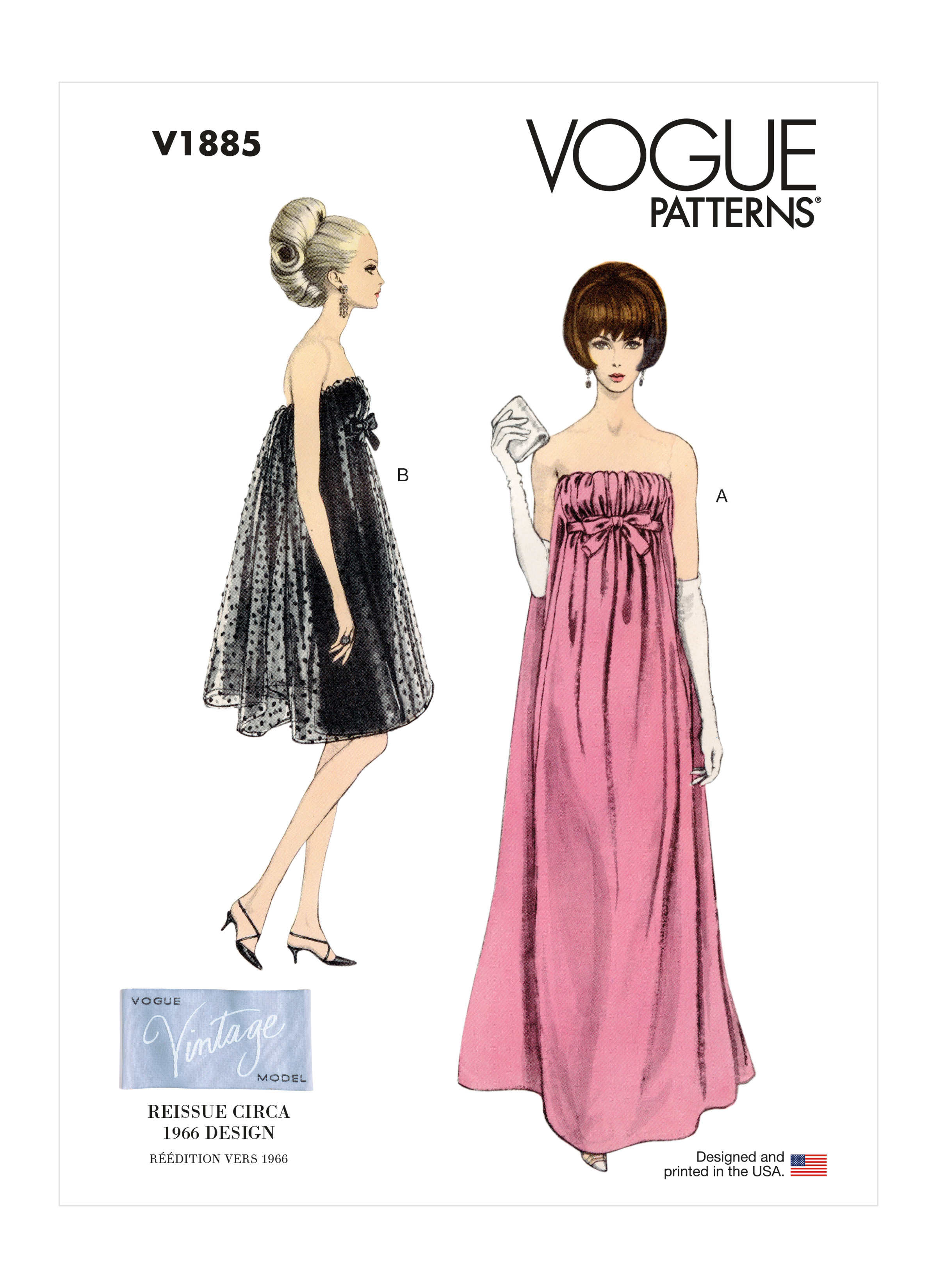
1966
Vogue Patterns licensed 5 Yves Saint Laurent dresses from the “Mondrian et Poliakoff” Collection. The iconic shift dress was a massive trend for 60's inspired by the modern paintings of Mondrian.
-
1967
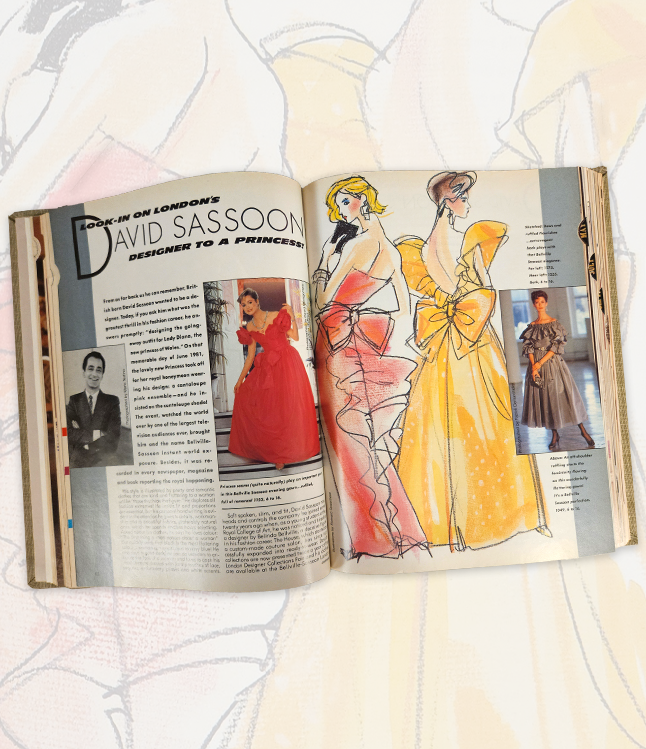
Vogue Patterns begins a 50+ year licensing relationship with Belinda Bellville and David Sassoon known as Bellville Sassoon.
-
1967
Oscar de la Renta was included in the Vogue Americana Collection and begins a stunningly successful relationship spanning over 40 years. Vogue Patterns licensed his designs with until the mid-2000s.
-
1967
McCall's New York Designers' Collection Plus featured Bill Blass for Maurice Retner designs, later the same year he debuted his own designs for Vogue Americana sewing patterns.

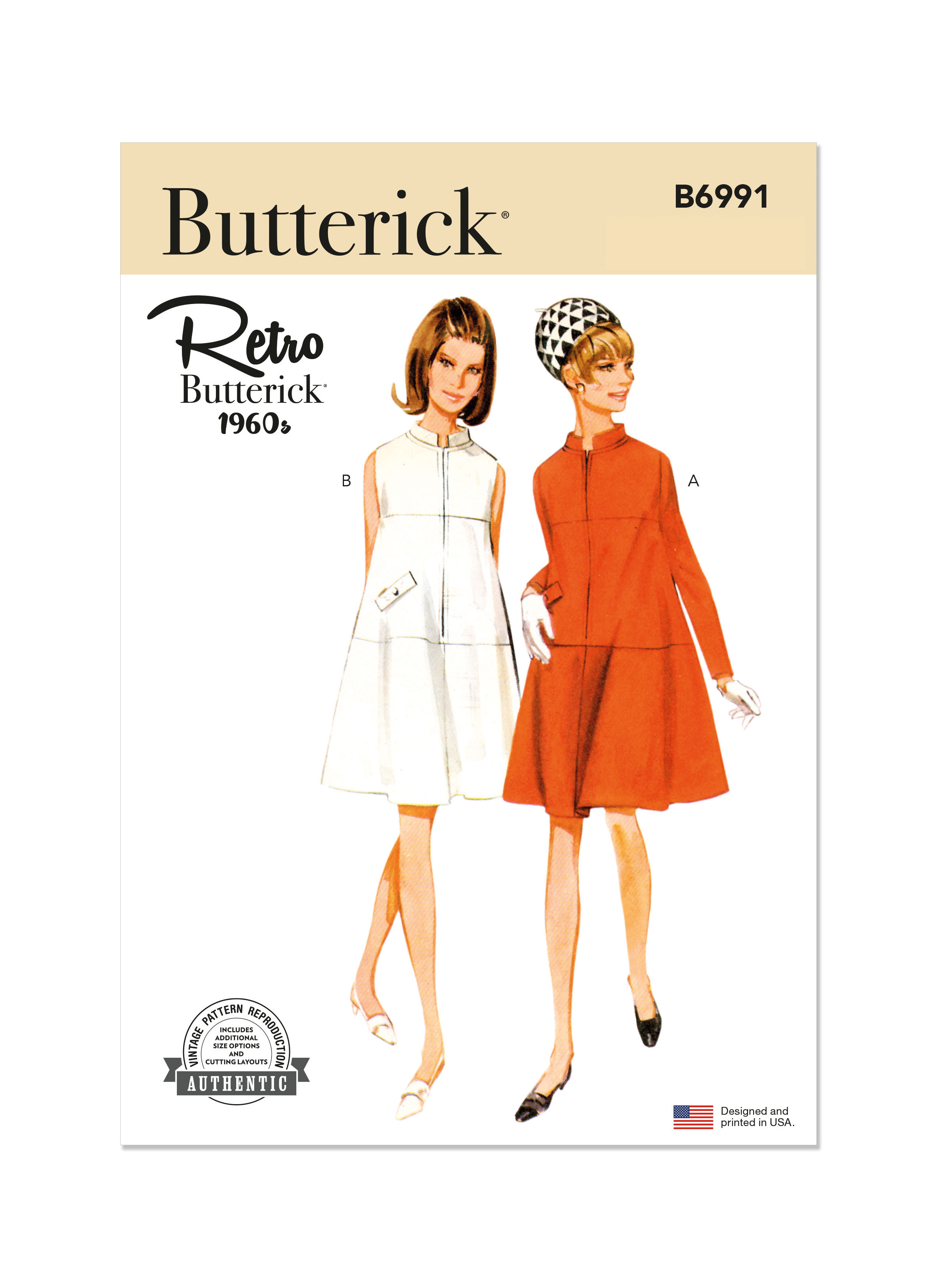
1970's
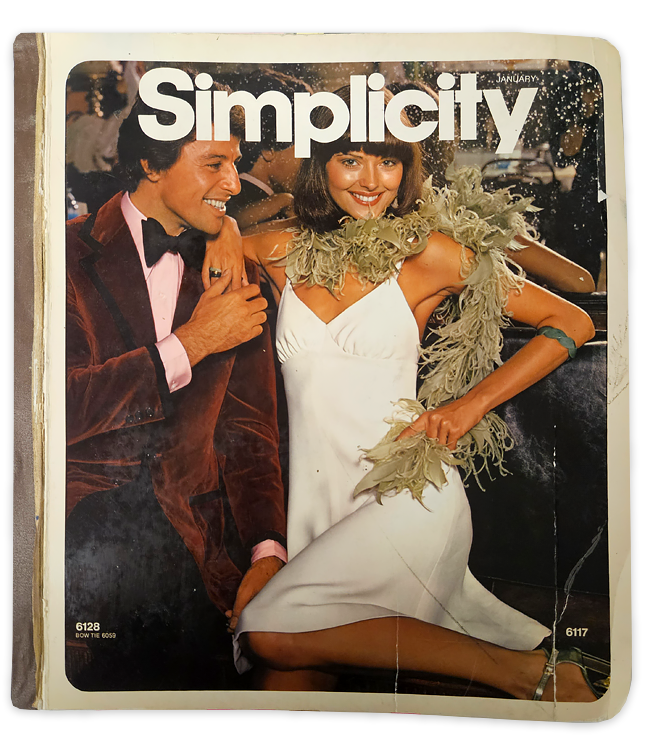
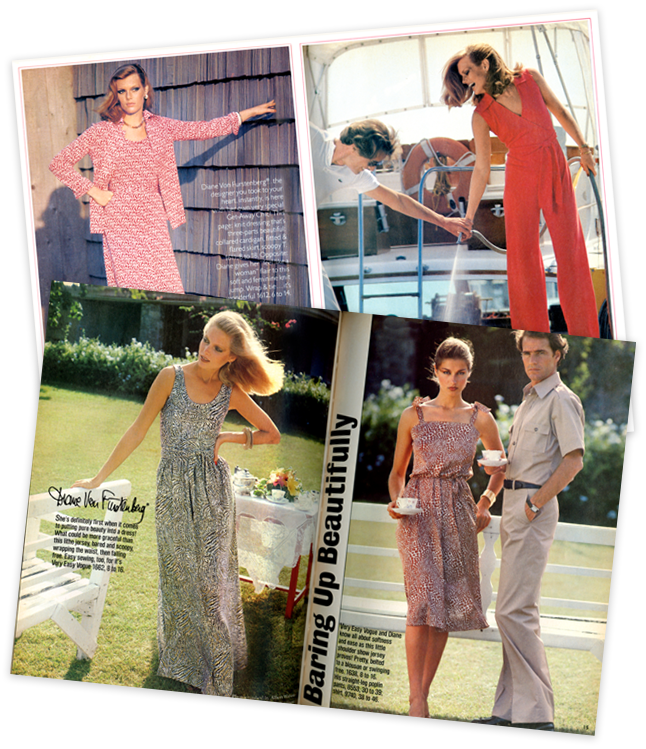
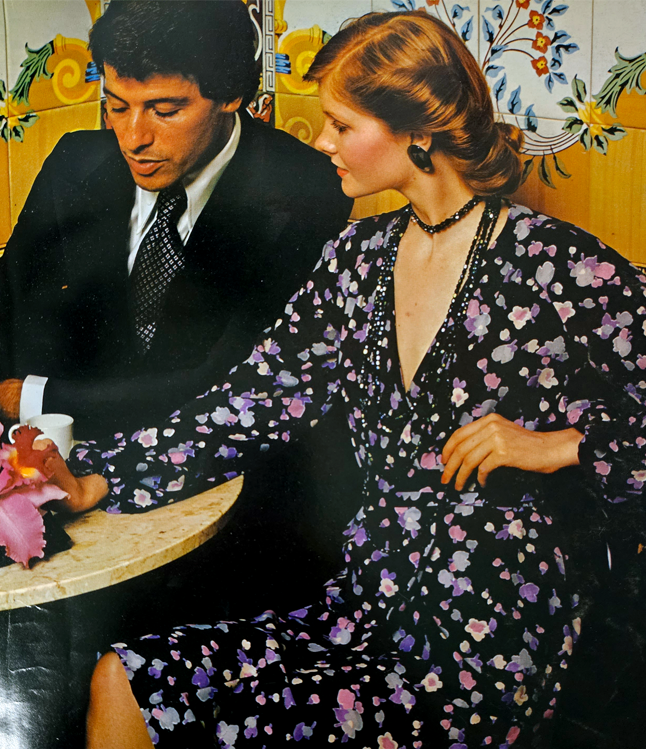
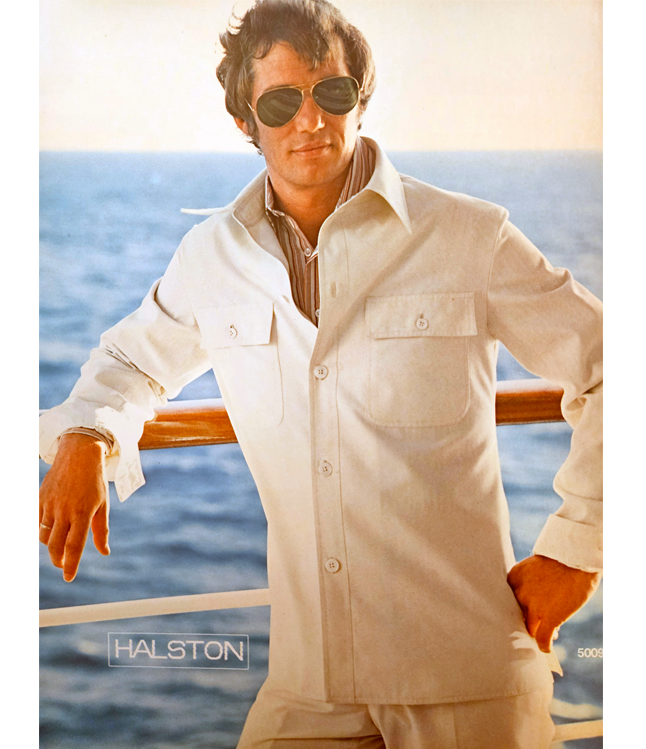
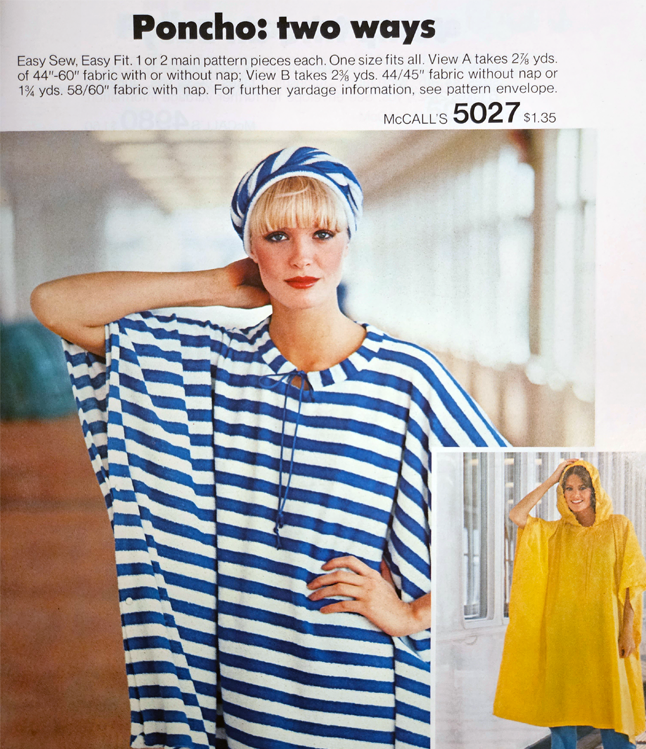
From the runway to your home, the new era of designer sewing patterns is center stage.
-
1972
Studies show 90% of ALL teens sew creating 70M garments annually.
Butterick launched its Betsey Johnson for Alley Cat sewing patterns in the Spring catalogue. Later to be rebranded as Betsy Johnson. -
1973
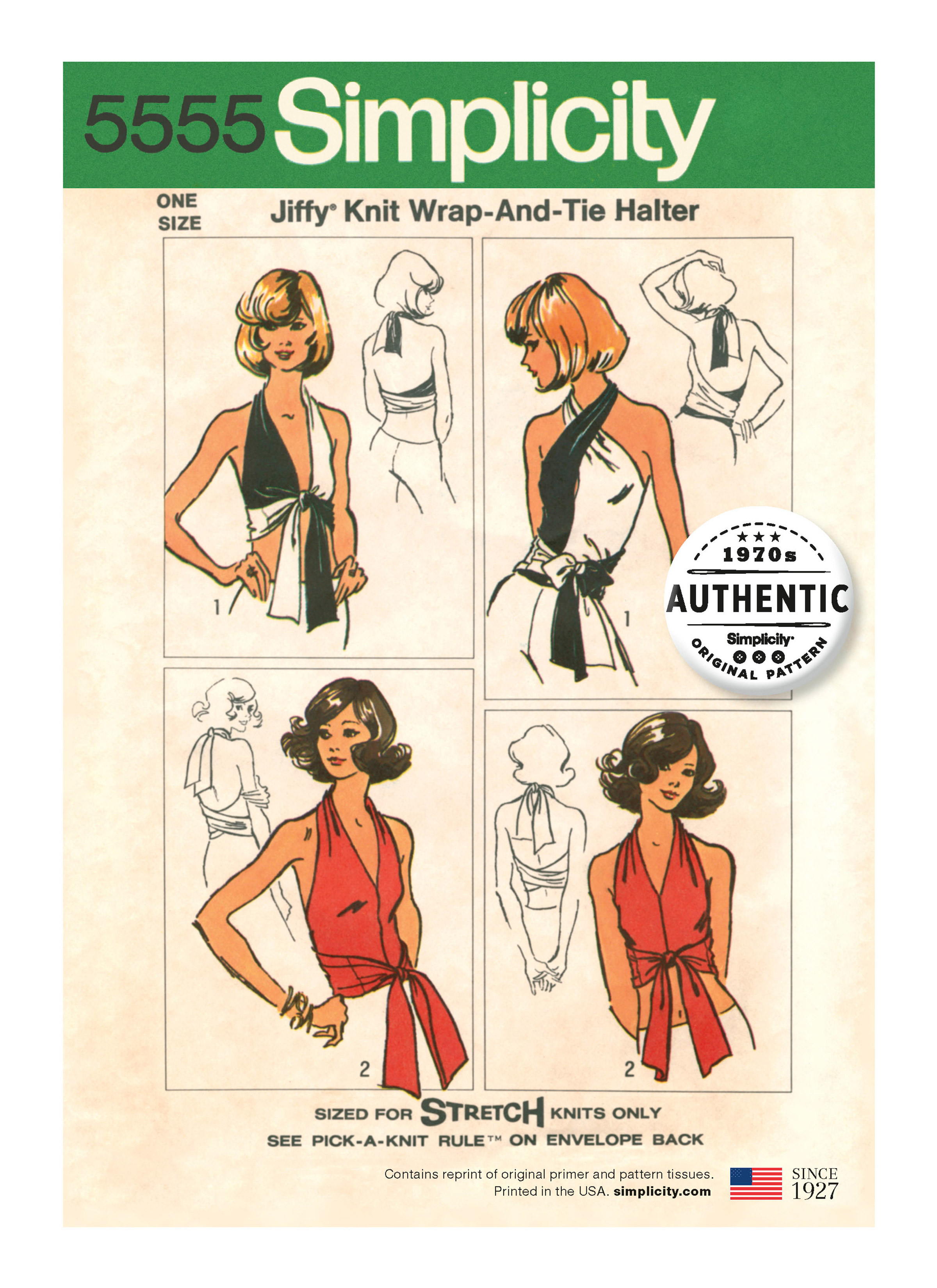
Simplicity introduced sewing for Men & Boys also the same year Jiffy patterns were sized for stretch knits.
-
1975
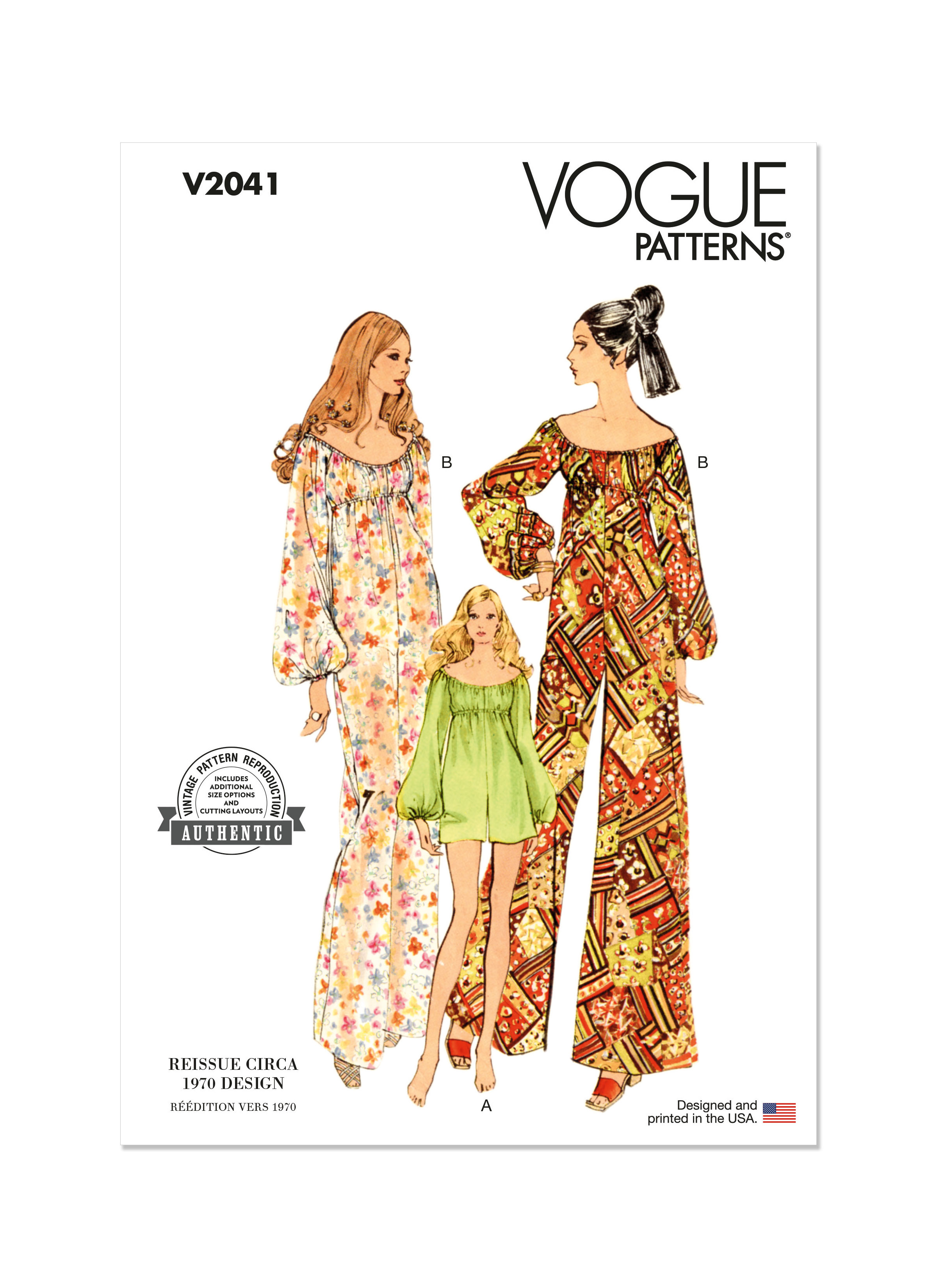
Vogue Patterns releases the first Chloé sewing patterns selected from the Spring/Summer 1975 collection when Karl Lagerfeld was designing for the brand.
-
1976
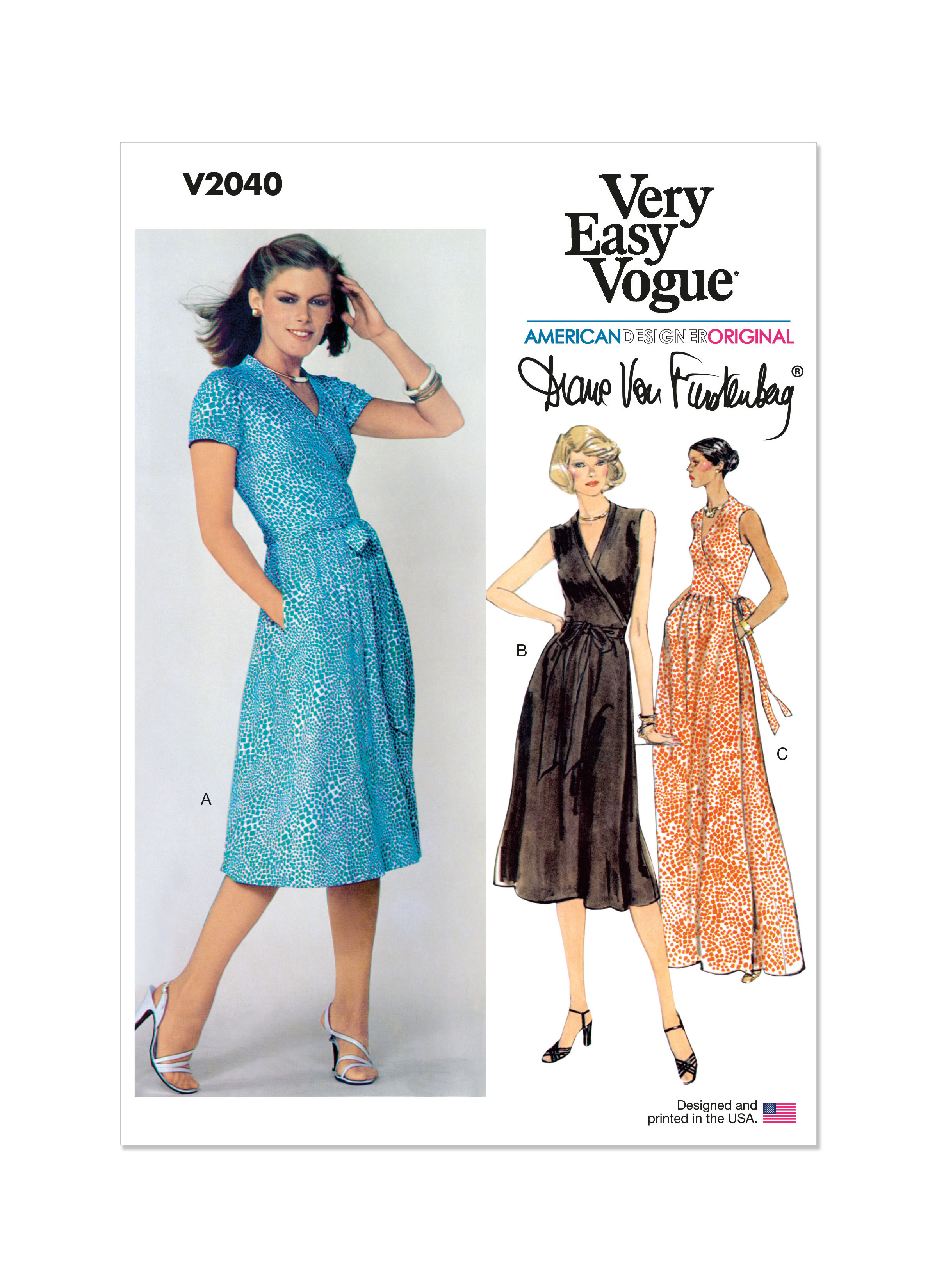
Diane von Furstenberg wrap dress is released by Vogue Patterns becoming an iconic moment. Allowing home sewers to affordably create the famous dress.
-
1976
Diane von Furstenberg wrap dress is released by Vogue Patterns becoming an iconic moment for home sewists creating the famous dress with their own style.
-
1978
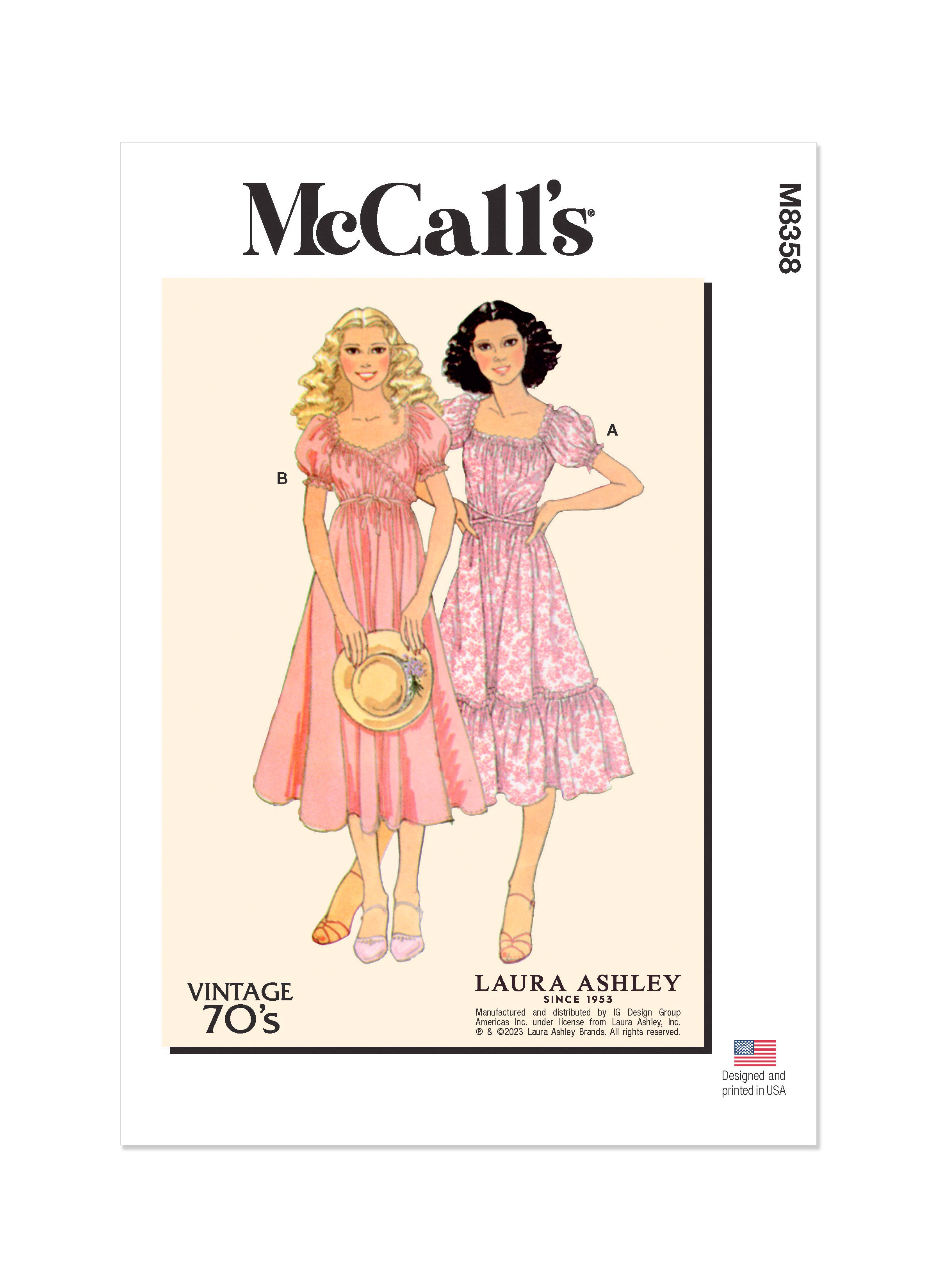
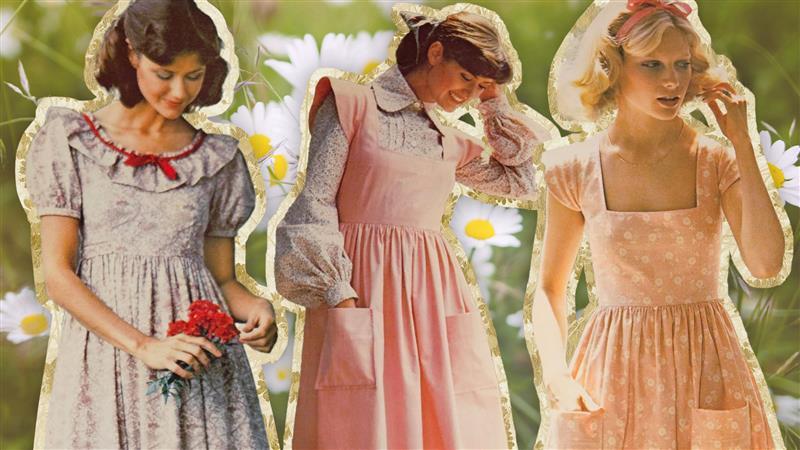
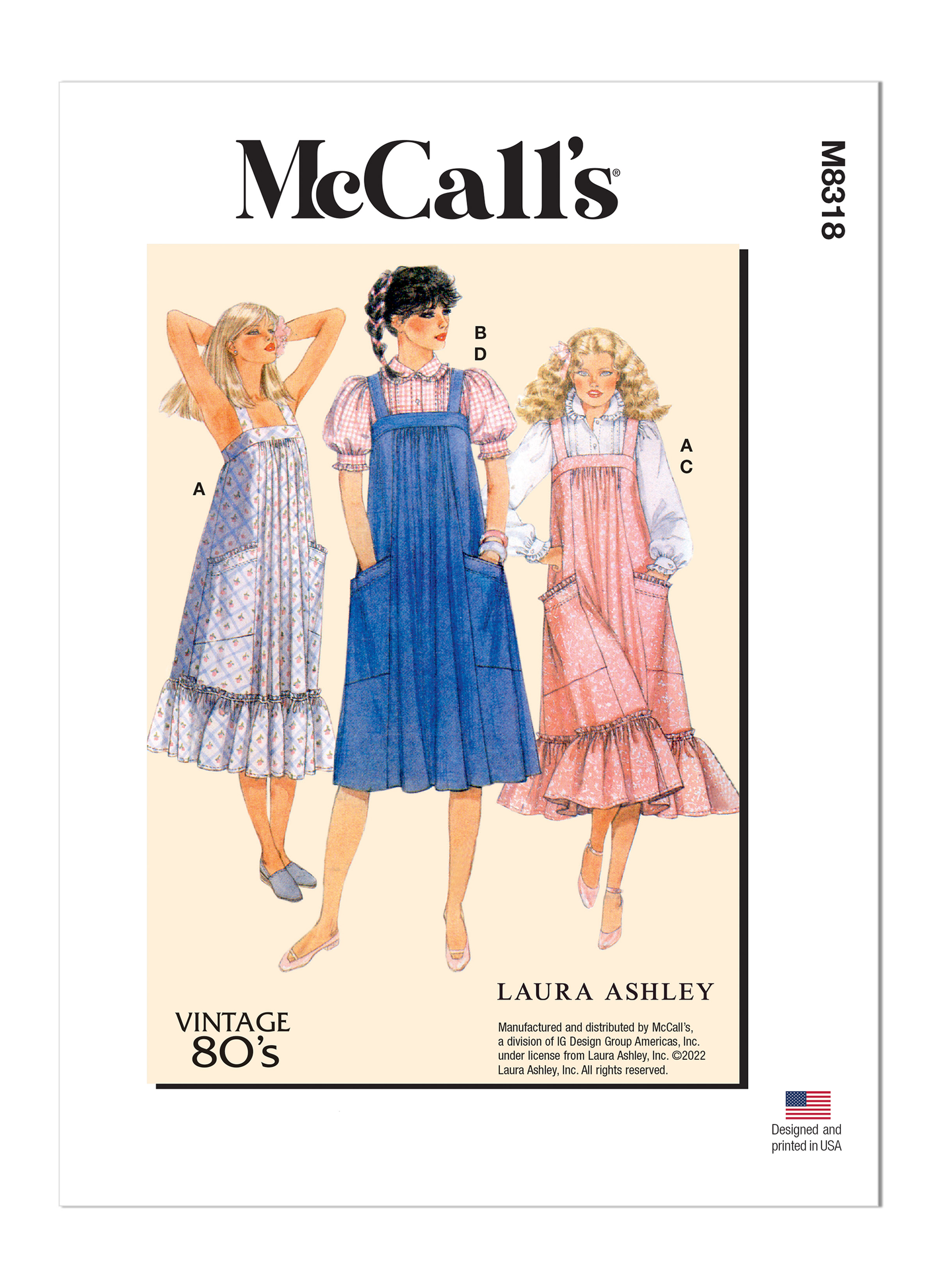
Simplicity Original Designer Patterns launches with Gunne Sax.
-
1979
McCall's goes full DISCO with the signing of the Bob Mackie license for stretch knit dresses, and jumpsuits.
Vogue’s licensing of Ralph Lauren women’s wear begins. The earliest Ralph Lauren women’s patterns were for Diane Keaton starring in "Annie Hall" and Western looks: prairie skirts, fringe, and serapes worn with cowboy boots and concho belts.
Vogue 2080 by Gianni Versace for Complice on the cover of Vogue Patterns, January/February 1979.
Calvin Klein Men's and Women's designs are included as part of Vogue American Designer line featuring models Beverly Johnson and his 80's muse model Josie Borain.
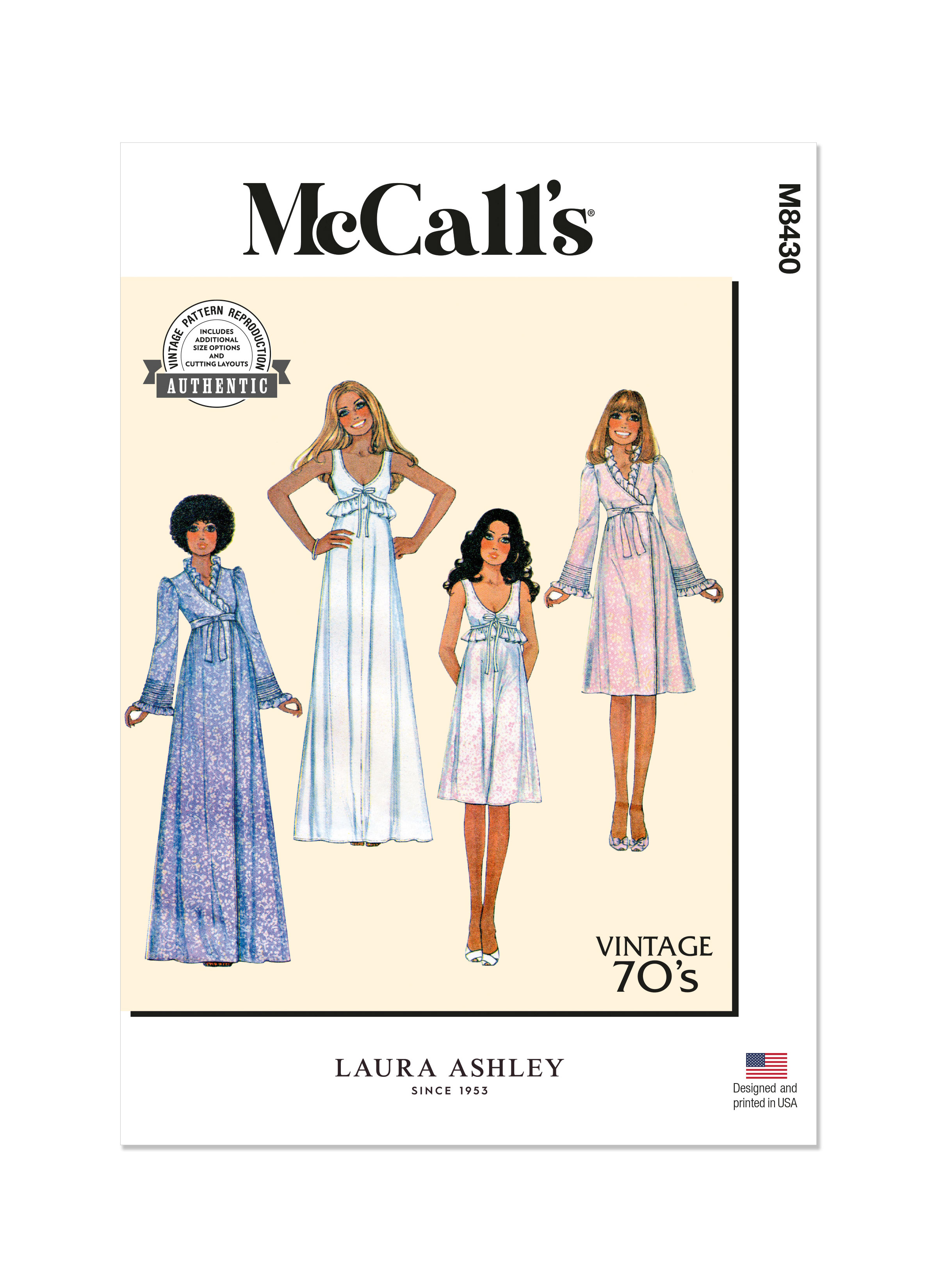
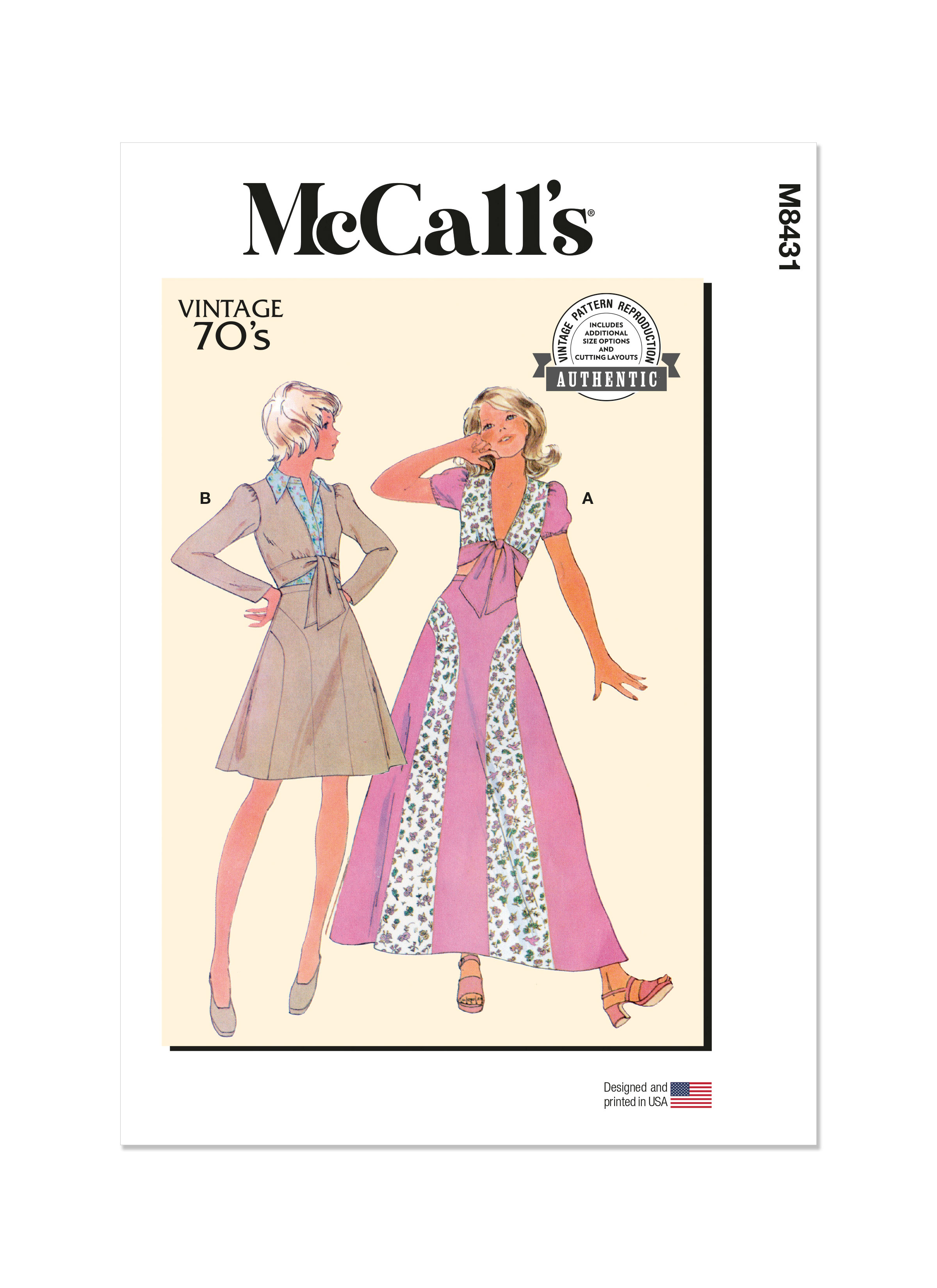
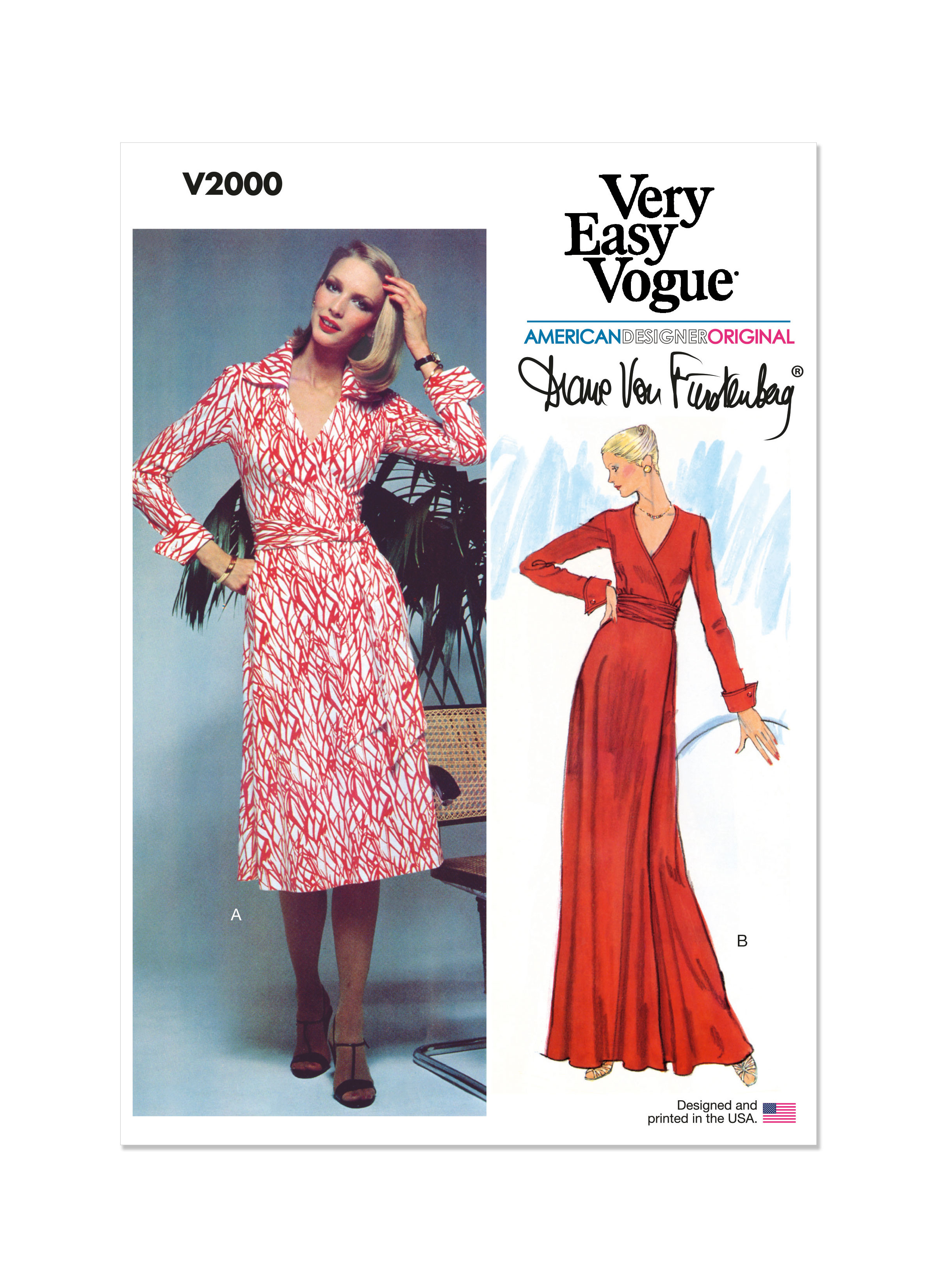
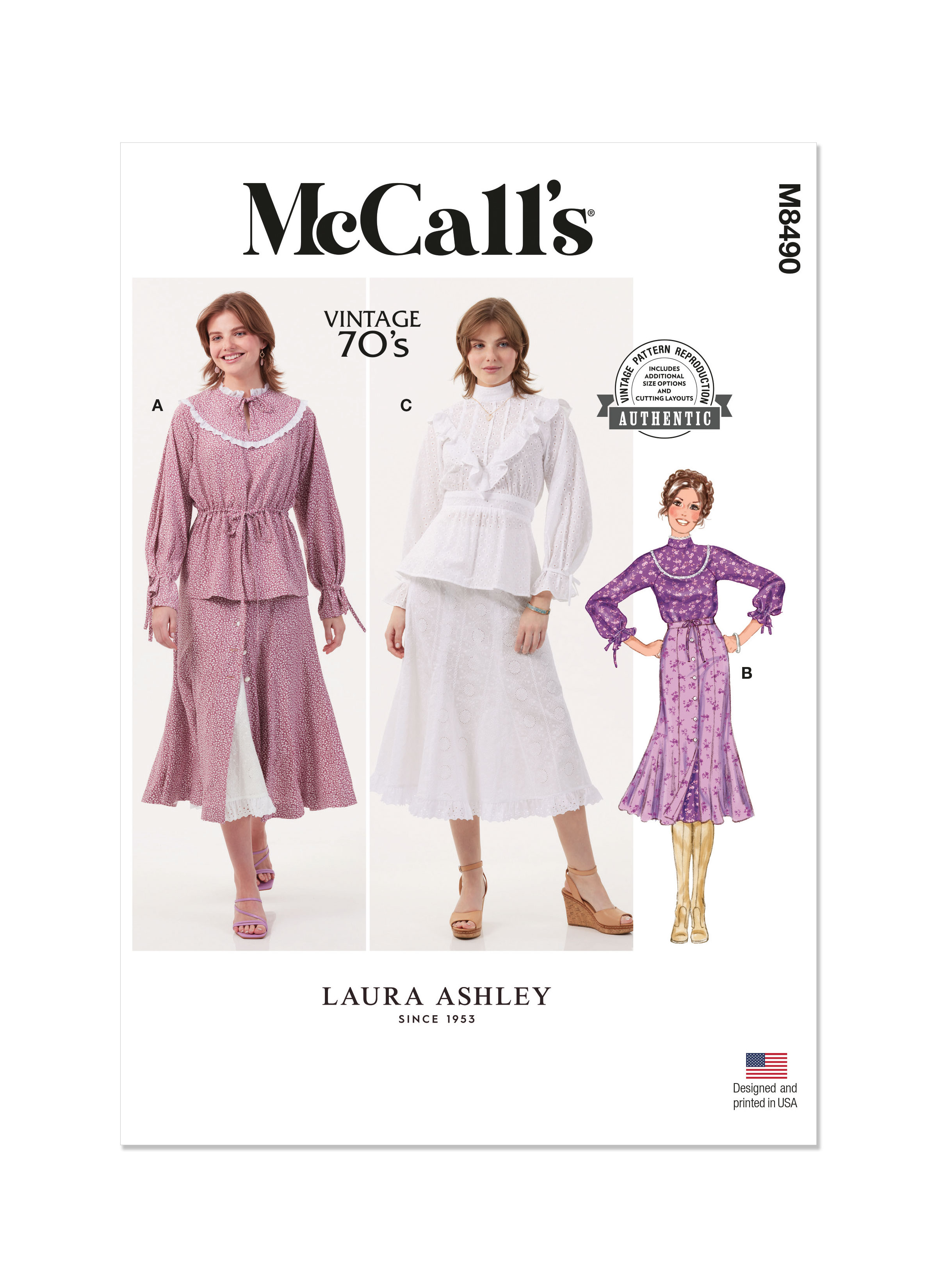
1980's

The Bold 80s when “Bigger is Better” and “More is More” Ruled Fashion
-
1980
Supermodel Iman graces multiple covers, inside editorials, and pattern envelopes for Vogue Designer Original Jean Muir while also appearing for Vogue Paris Original designers Yves Saint Laurent and Emanual Ungaro.
-
1980
Embroidery machines for home use become available in the US as “computerized” models are more consumer friendly, expanding decorative stitching options and reducing the time commitment.
-
1983
Living legend Diana Ross licenses designs to Simplicity. The Superstar models the garments ranging from gowns to swimwear on the pattern catalog cover, inside editorial and envelopes with an autograph logo.
-
1983
Palmer/Pletsch fit method Introduced by Pati Palmer and Susan Pletsch, a tissue-fitting method that helped sewists adjust patterns before cutting fabric.
-
1984
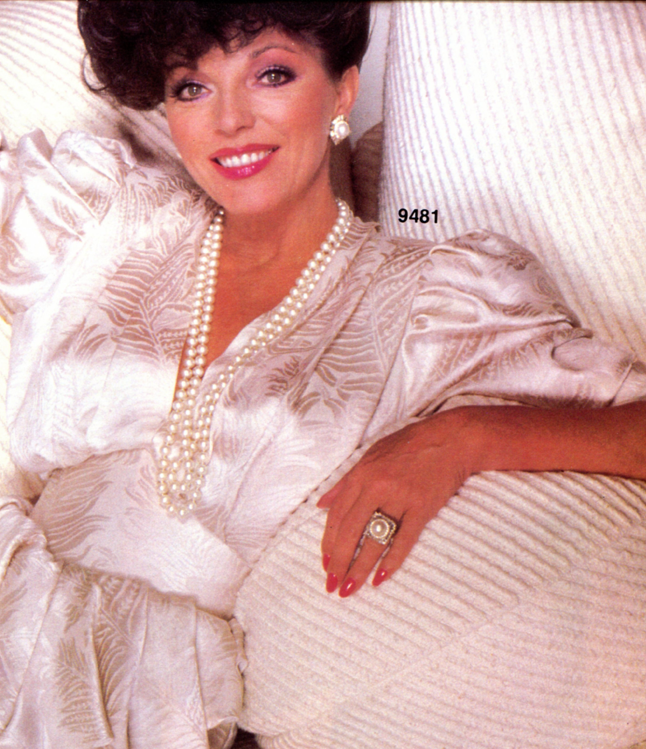
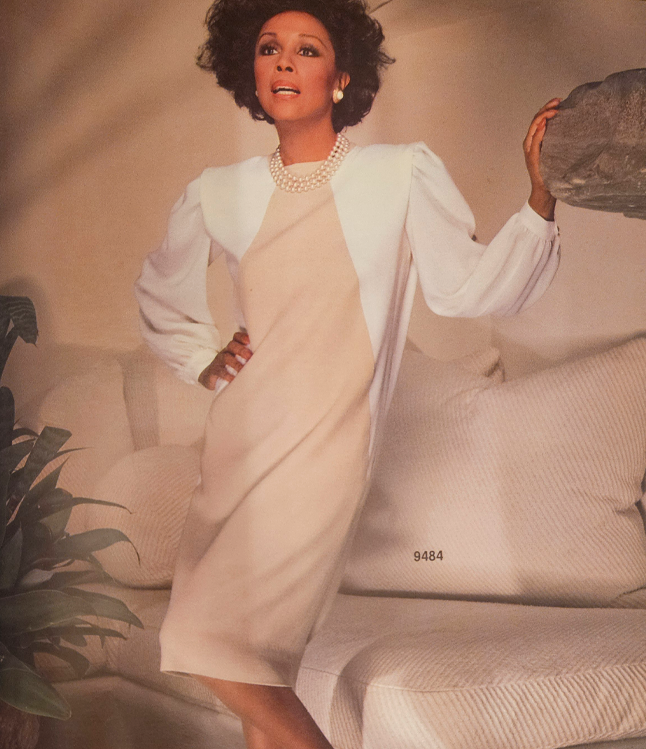
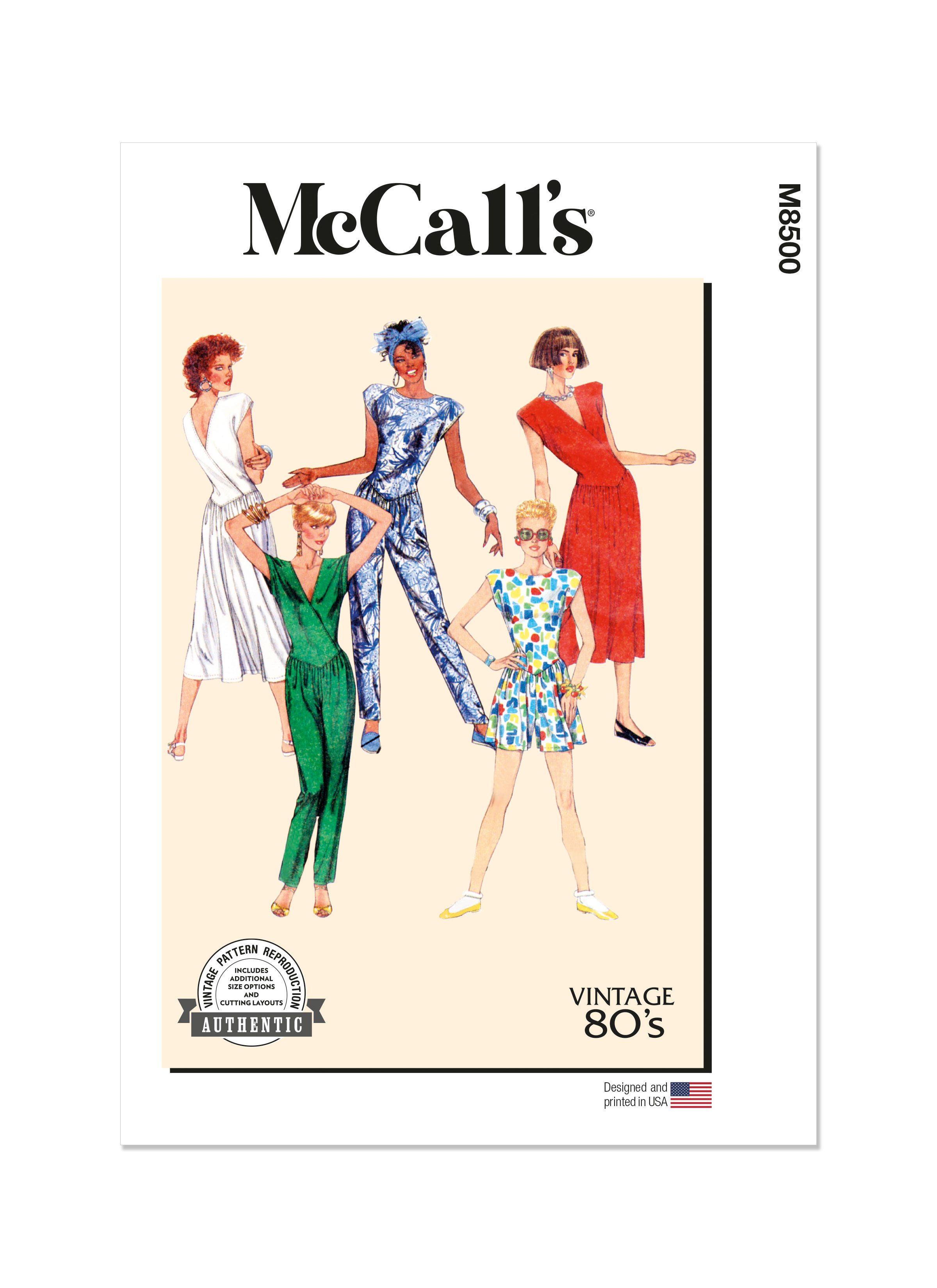
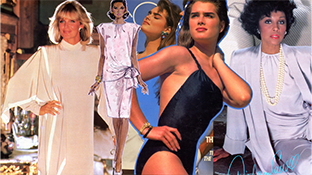
Emmy® Award winning "Dynasty" TV Costume Designer Nolan Miller signs with McCall's launching "Nolan Miller's Dynasty Collection" for McCall's. The "Dynasty" stars Joan Collins, Linda Evans and Diahann Carroll modelled the designs in McCall's magazine, pattern catalog, and autographed packets.
Model turned actress Lauren Hutton releases her Signature Collection with Simplicity Patterns. She previously modeled for Vogue Patterns appearing in the catalog and on envelopes in the 1960's and 1970's. -
1985
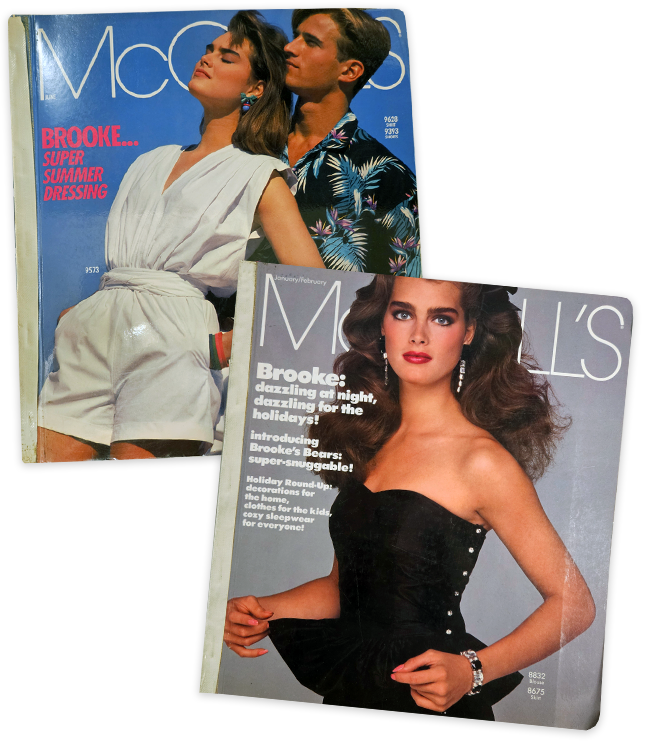
Brooke Shields debuts her "Brooke" Fashion Collection with McCall's including McCall's Crafts and Easy McCall's. Regularly appearing on the cover of McCall's Magazine, pattern catalogs, and autographed packets.
Simplicity taps Oscar® winning actress Ali McGraw for her own line of clothing and soft accessories. She appears modeling on the Simplicity's pattern catalog cover and envelope with autograph. -
1987
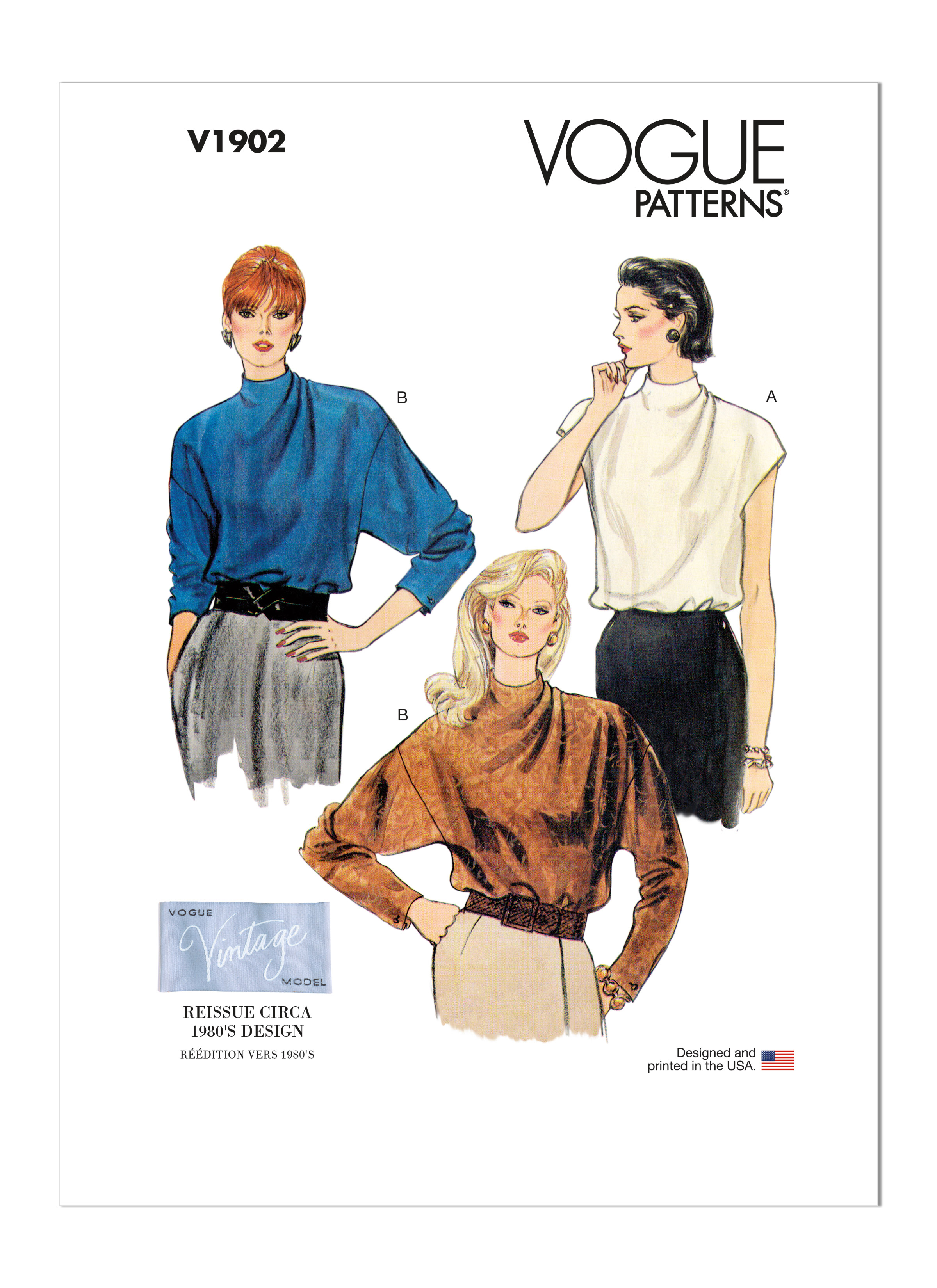
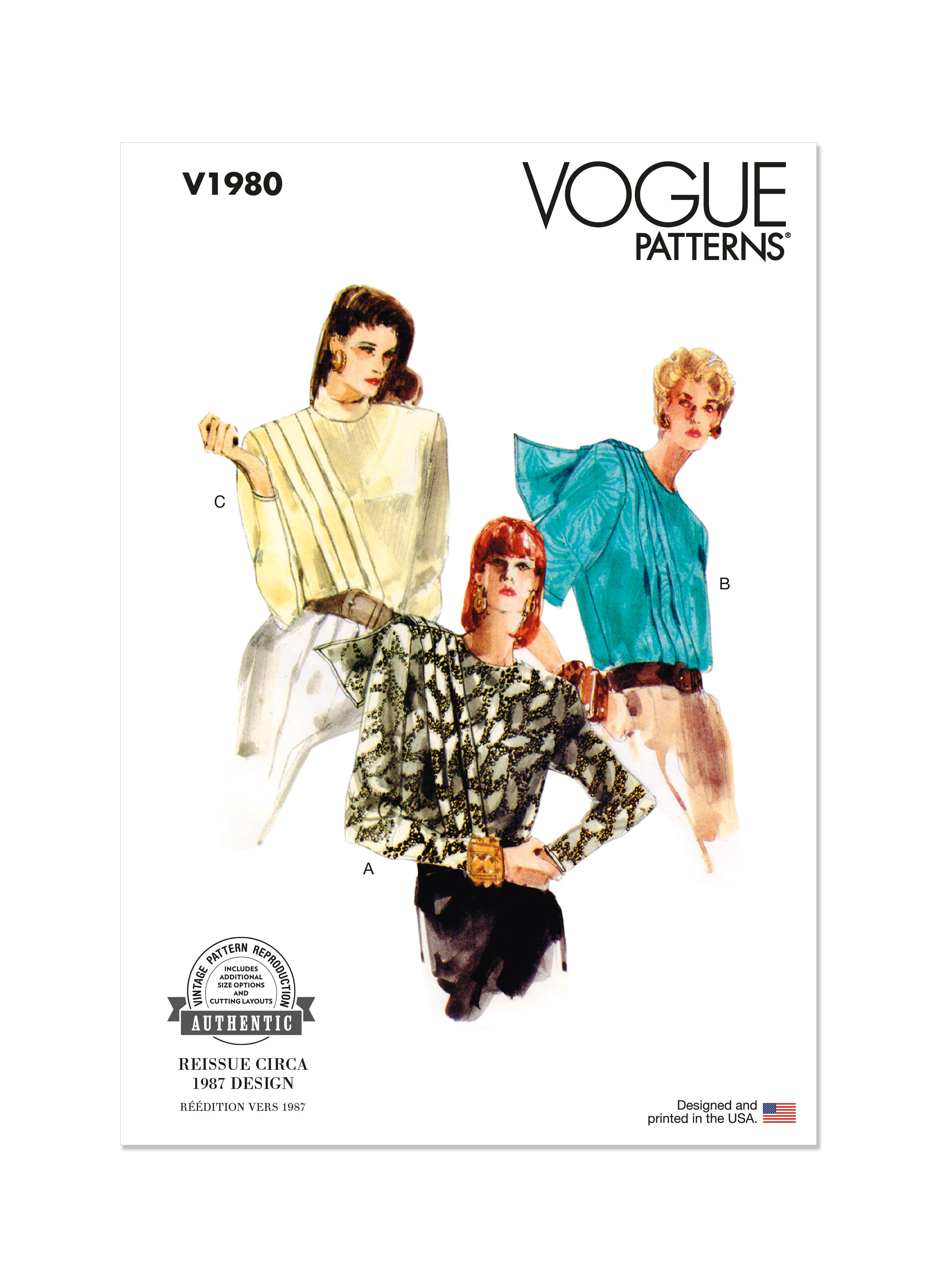
Vogue Patterns release Donna Karan sewing patterns and in 1989 adds DKNY to the roster.
-
1987
Simplicity Patterns acquires the UK based New Look Patterns.

1990's
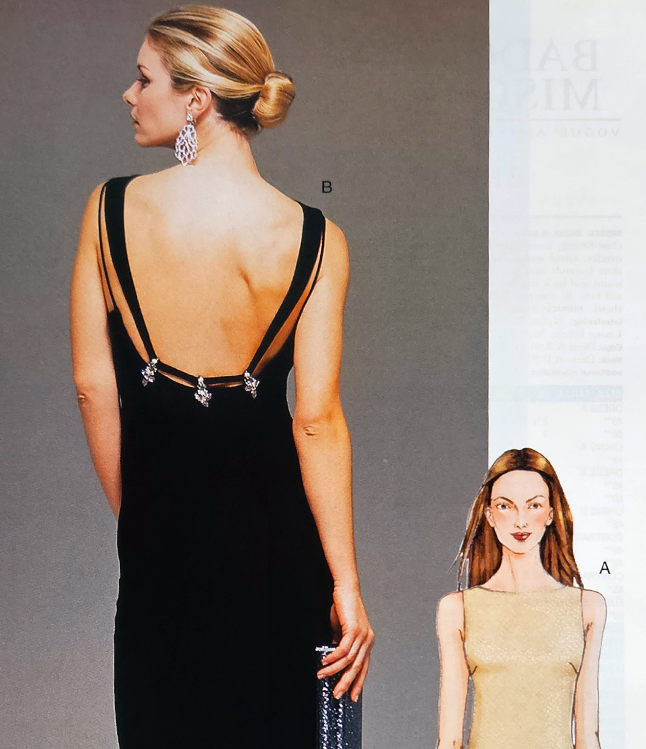
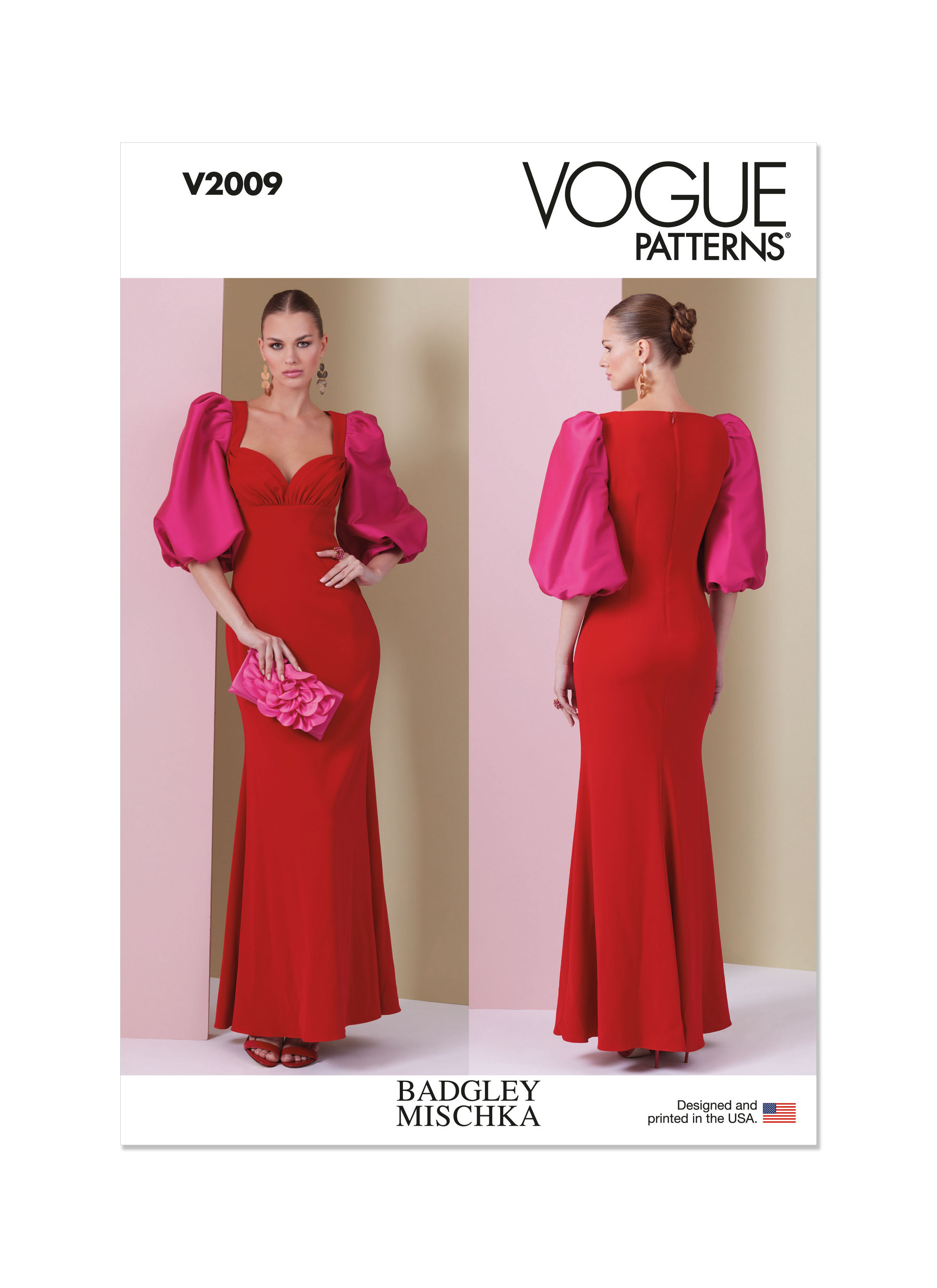
Badgley Mischka
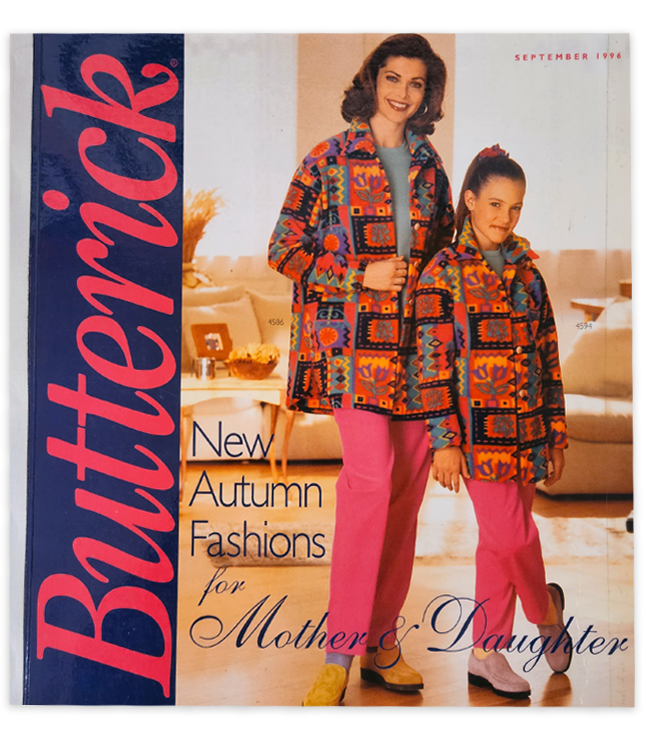
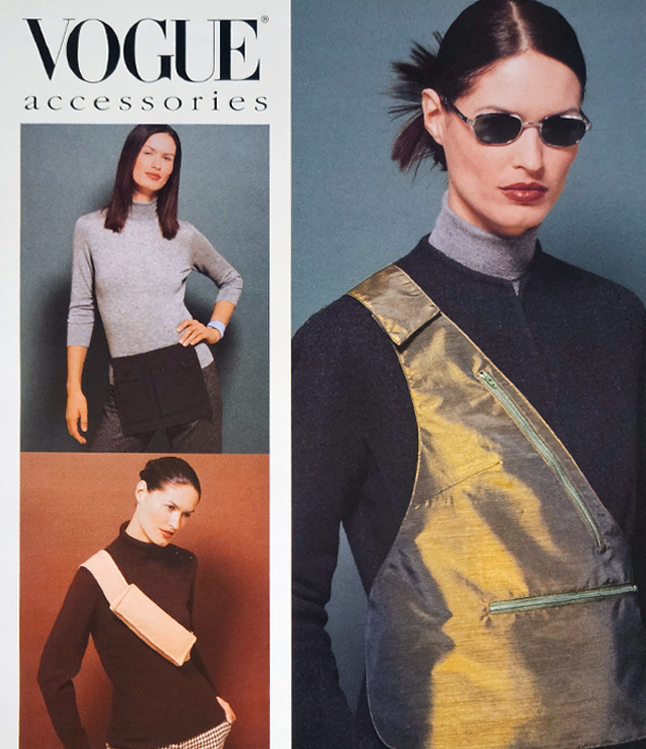

Refined and accessible designs featuring a new range of multi-sizing value patterns from the UK.
-
1990s
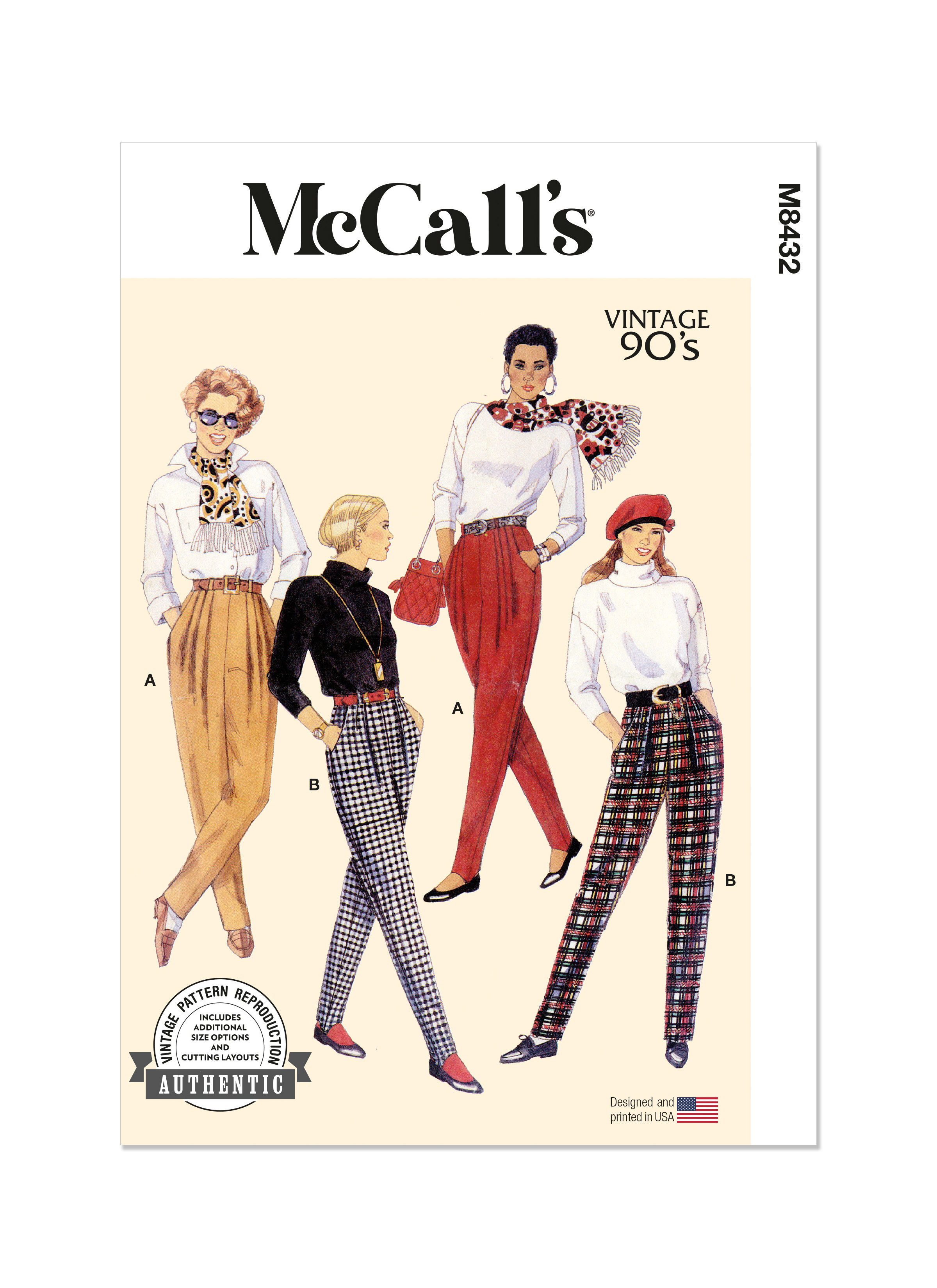
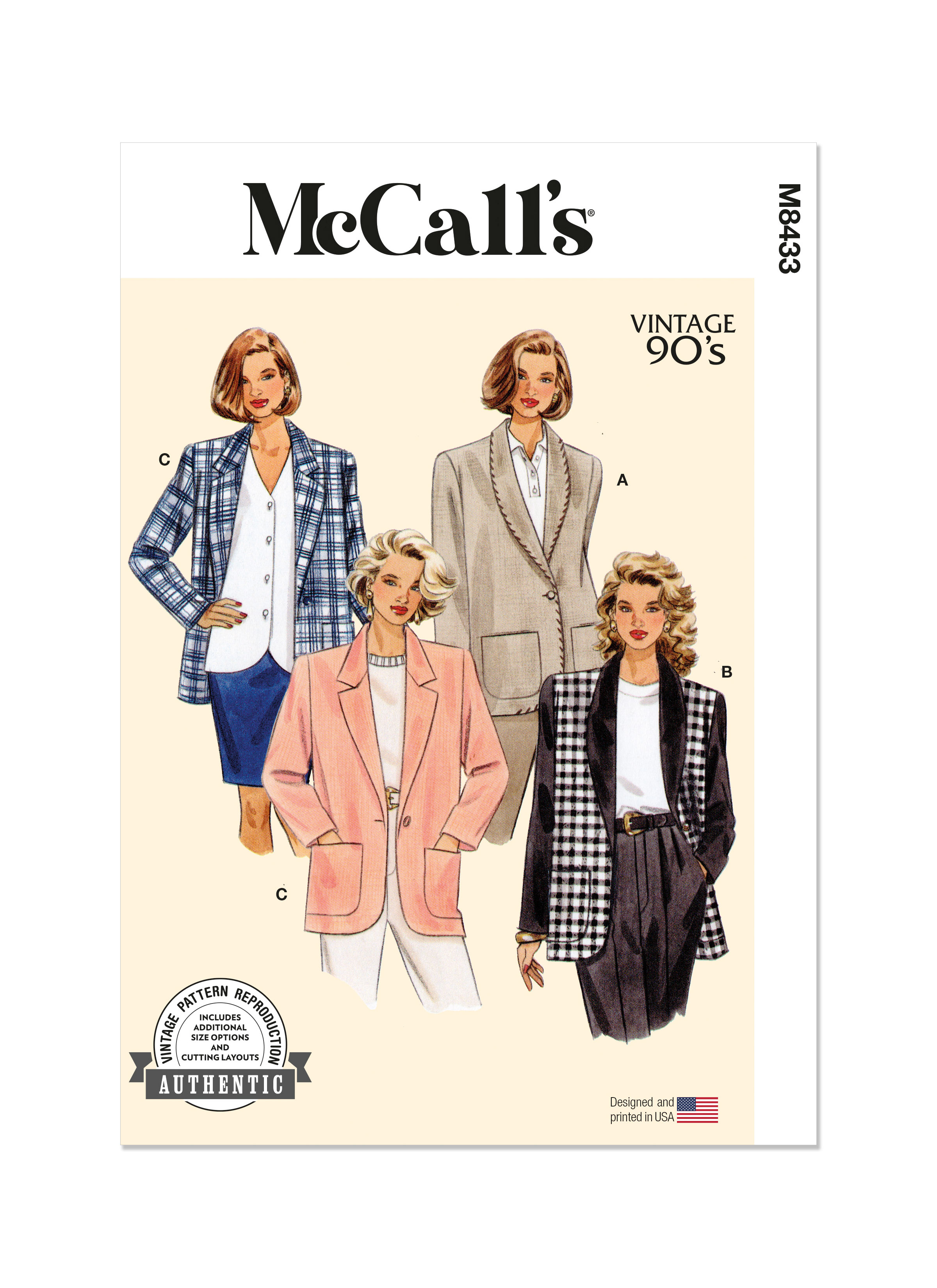
Sewing Patterns as Supermodel Launching Pads: Linda Evangelista was photographed for multiple Vogue Patterns Magazine Covers, Vogue Patterns for famous designers as well as a Burda Magazine cover. Carolyn Murphy appeared multiple times for Vogue Patterns Magazine, Vogue Sport, and Vogue 5 Easy Pieces.
Kristen McMenemy was Karl Lagerfeld’s face for Vogue Patterns while Karen Mulder was Givenchy’s model choice, Helena Christensen can be found on a Yves Saint Laurent pattern envelope, and Phina Oruche modeled for several Vogue Pattern’s licensed designers over the decade.
The “Grand Dame” of all the sewing pattern supermodels is Carmen Dell'Orefice, first gracing 1950’s McCall's Patterns then throughout the 1960’s for Simplicity Patterns. Only later to resurface from retirement to dominate the 1990's with Vogue Patterns, Very Easy Vogue, and Vogue Women. -
1992
Marc Jacobs for Perry Ellis release iconic Grunge line for Spring 1993 licensing several straight from the runway looks to Vogue Patterns.
-
1993
Donna Karan extends her license to include DKNY.
Vogue Attitudes releases the first of many Badgley Mischka designs and 31 years later they continue to excel.
-
1995
Anna Sui is introduced to home sewers with her own Vogue Pattern cover.
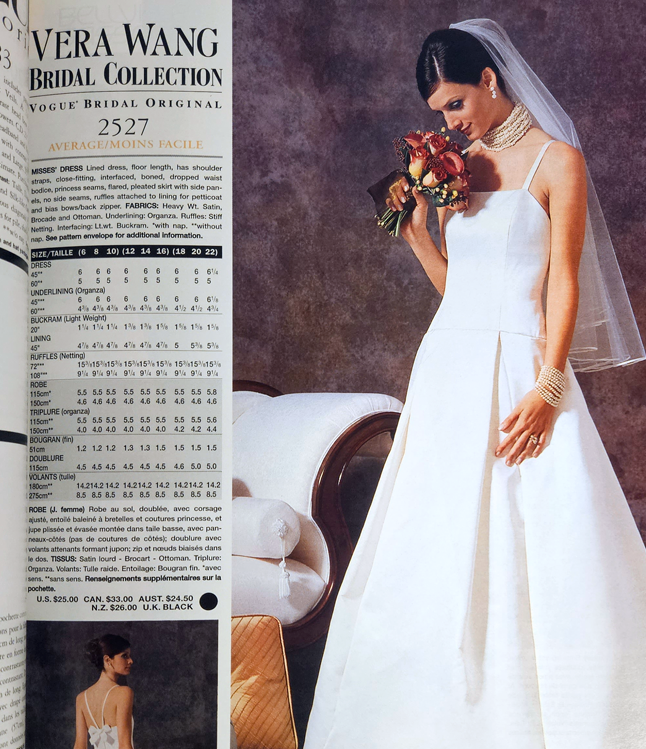
Vera Wang starts with the cover of May/June issue of Vogue Patterns magazine and catalog. Her signature sheer mesh sleeves and cuts outs are revolutionary.
-
1996
John Galliano for Givenchy releases THE dress of the season for Vogue Paris Original. The empire waist dresses are featured on the runway, on the Vogue Pattern Catalog Cover and inside Vogue Magazine an editorial starring Linda Evangelista.
-
1997
Vogue Attitudes releases Anna Sui's controversial Goth Girl & Baby Doll looks. During the same year Vogue American Designer debuts Marc Jacobs namesake line.
2000's
Entertainment licensing conquers fashion and the rise of the "social media influencer"
-
2000's
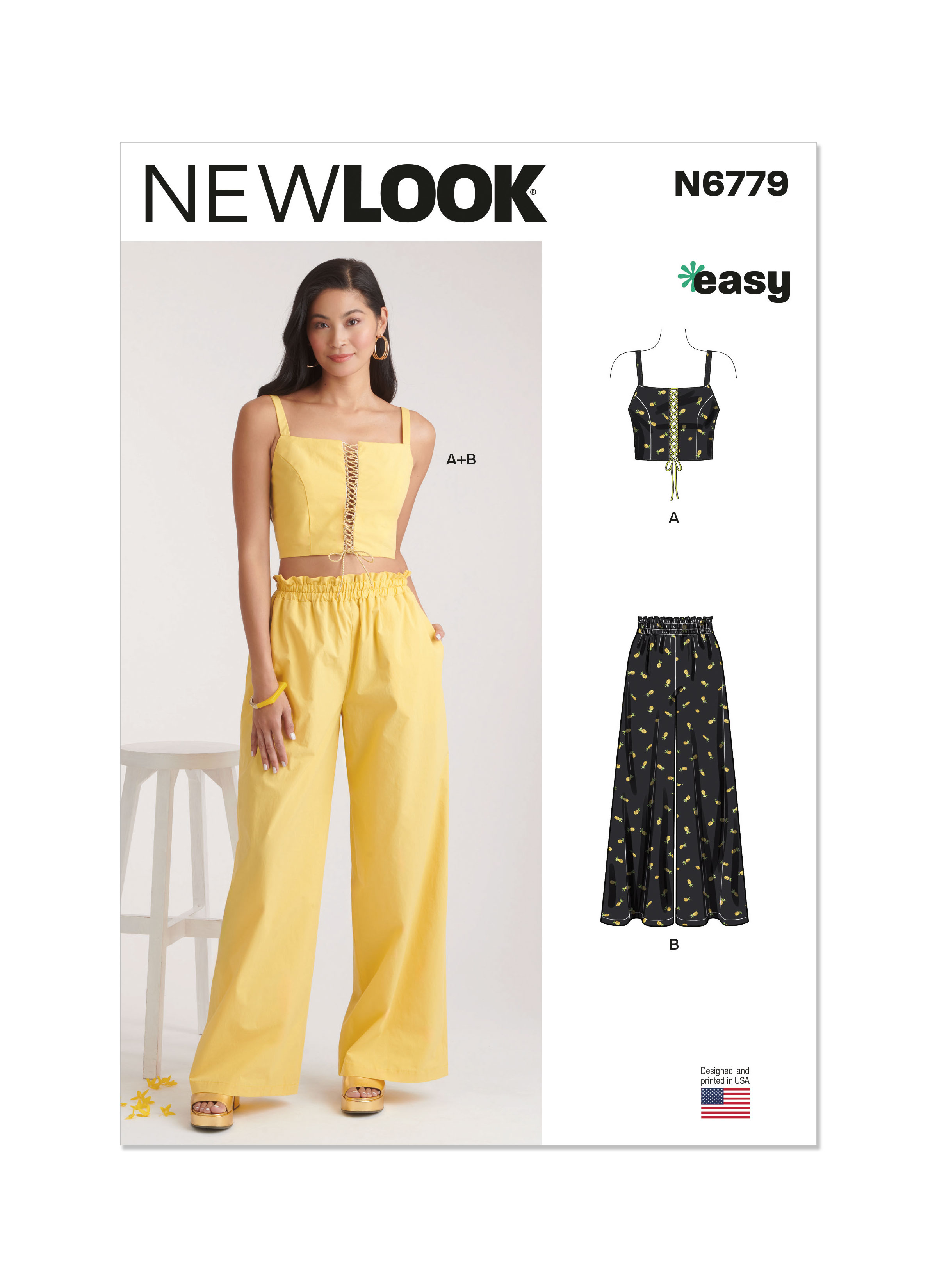
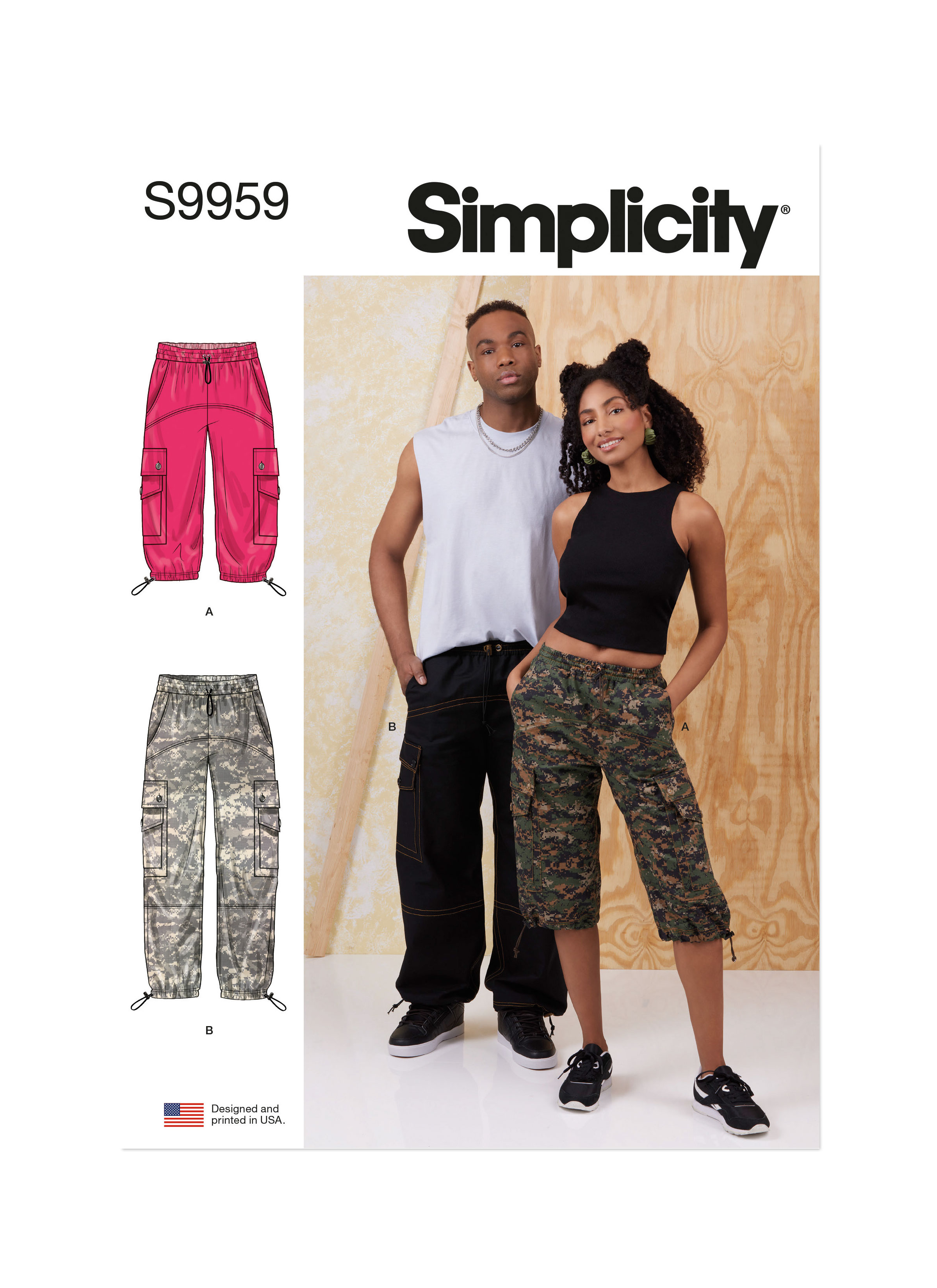
The Core 4 and their subsidiaries are consolidated under CSS leading to a total restructuring of the crafting and home sewing industry.
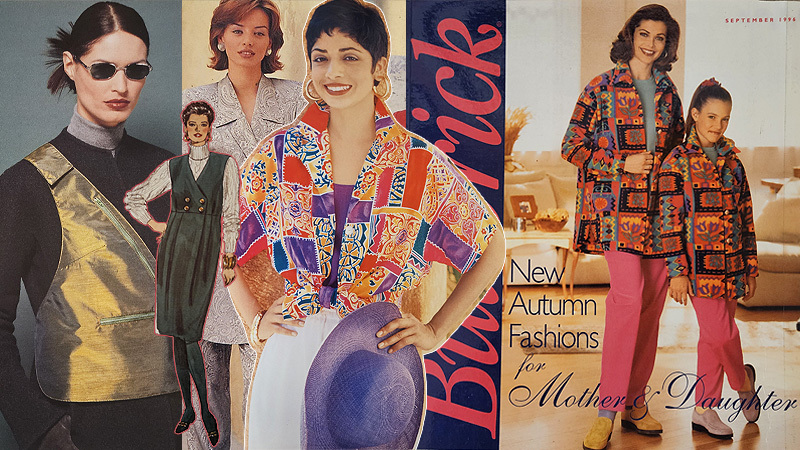
Butterick was purchased by McCall's Pattern Company and relocated operations.
-
2004
The first downloadable PDF pattern hits the online market and home sewist are wary but begin to experiment with the new medium.
-
2007
Project Runway is licensed with Simplicity Patterns and New Look featuring the designs of the season's winners and select contestants
-
2007
Simplicity Patterns expands the Disney Channel License with High School Musical, Lizzie McGuire, and Hanna Montana featuring Miley Cyrus. The celebrity talent is featured on the envelopes and catalogs.
-
2010
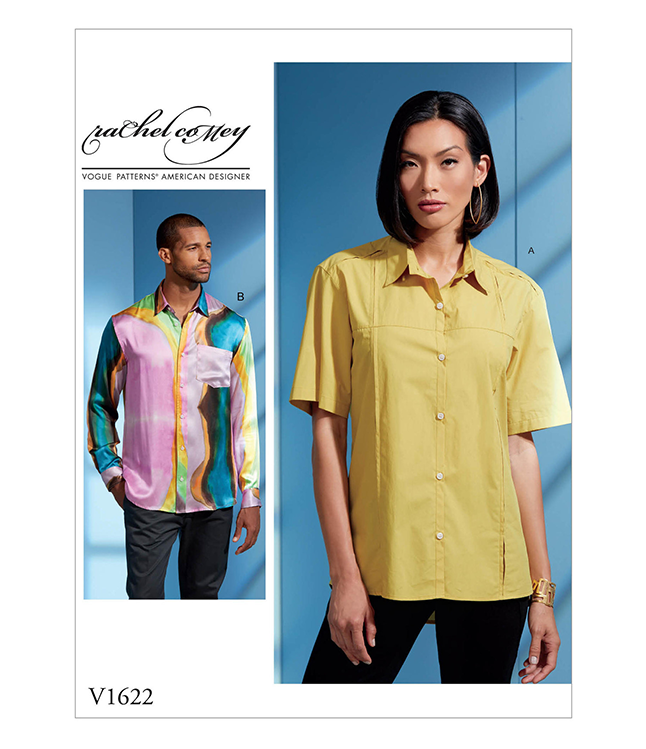
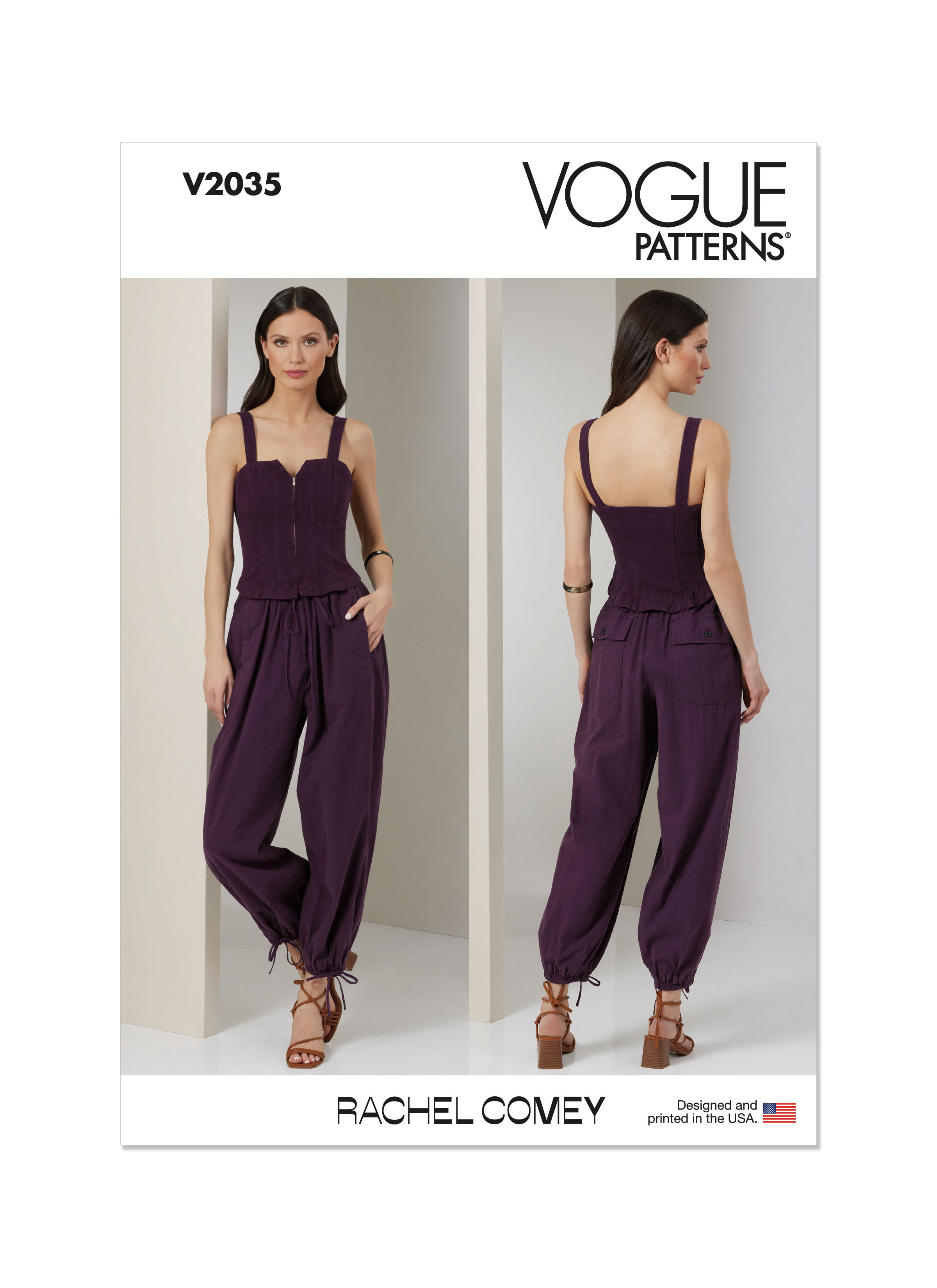
Rachel Comey releases her first designs with Vogue Patterns.
-
2012
The hit Disney Channel show Shake it Up featuring Zendaya is first seen on the sewing pattern envelopes and in the Simplicity Pattern’s catalogs.
-
2014
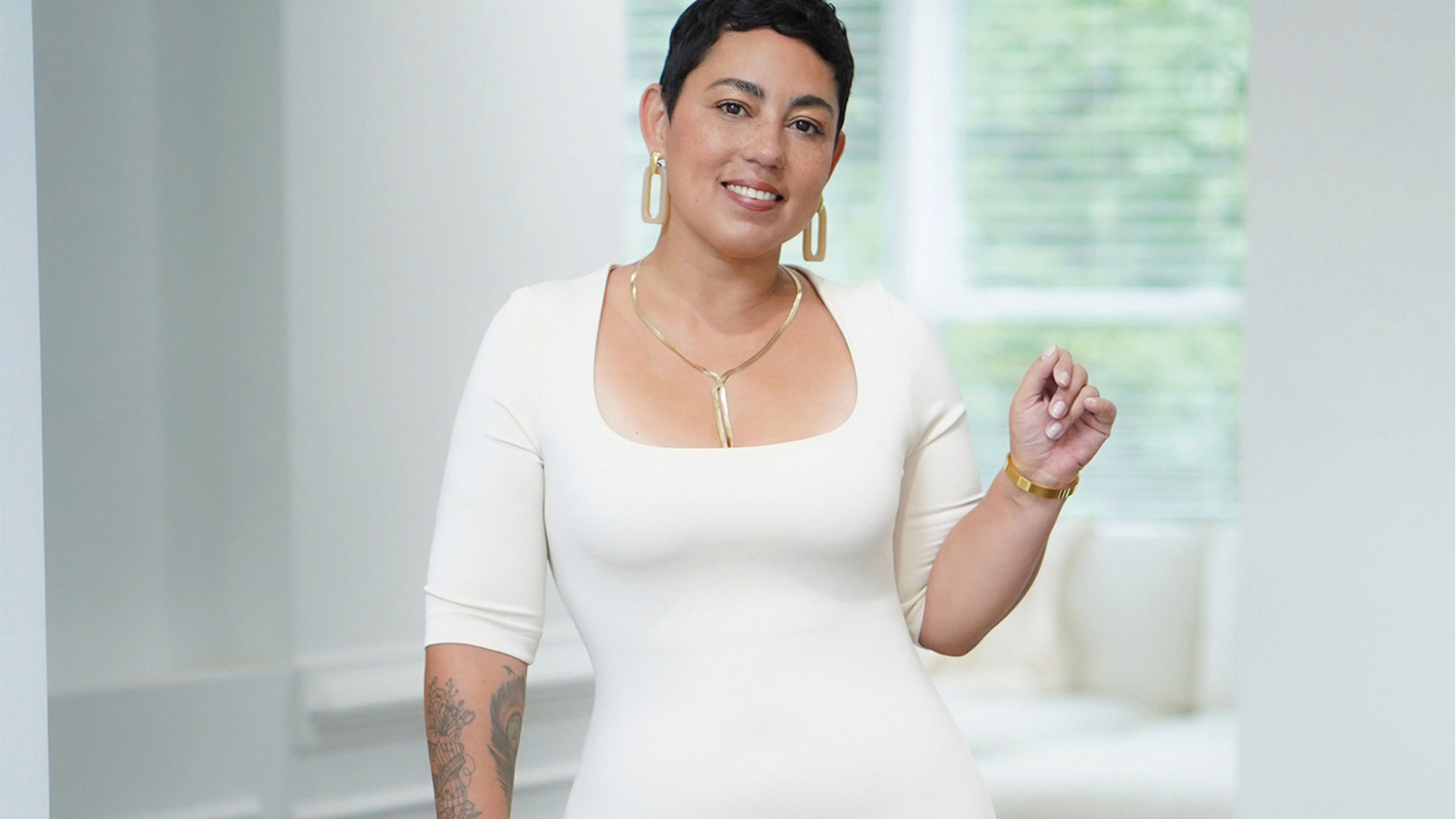
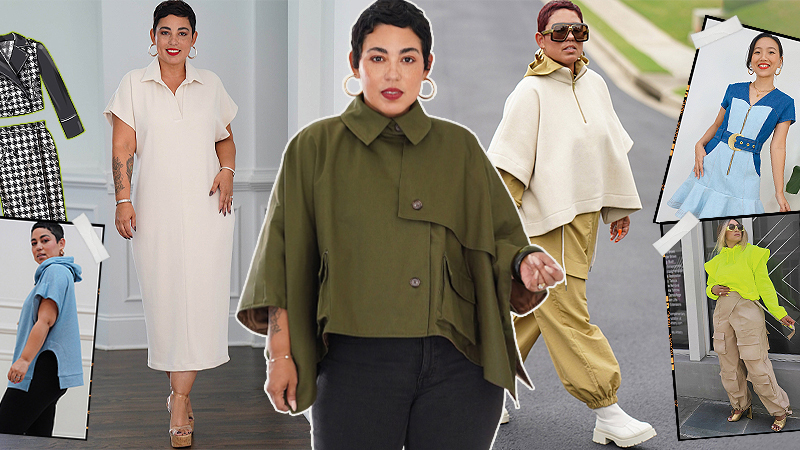
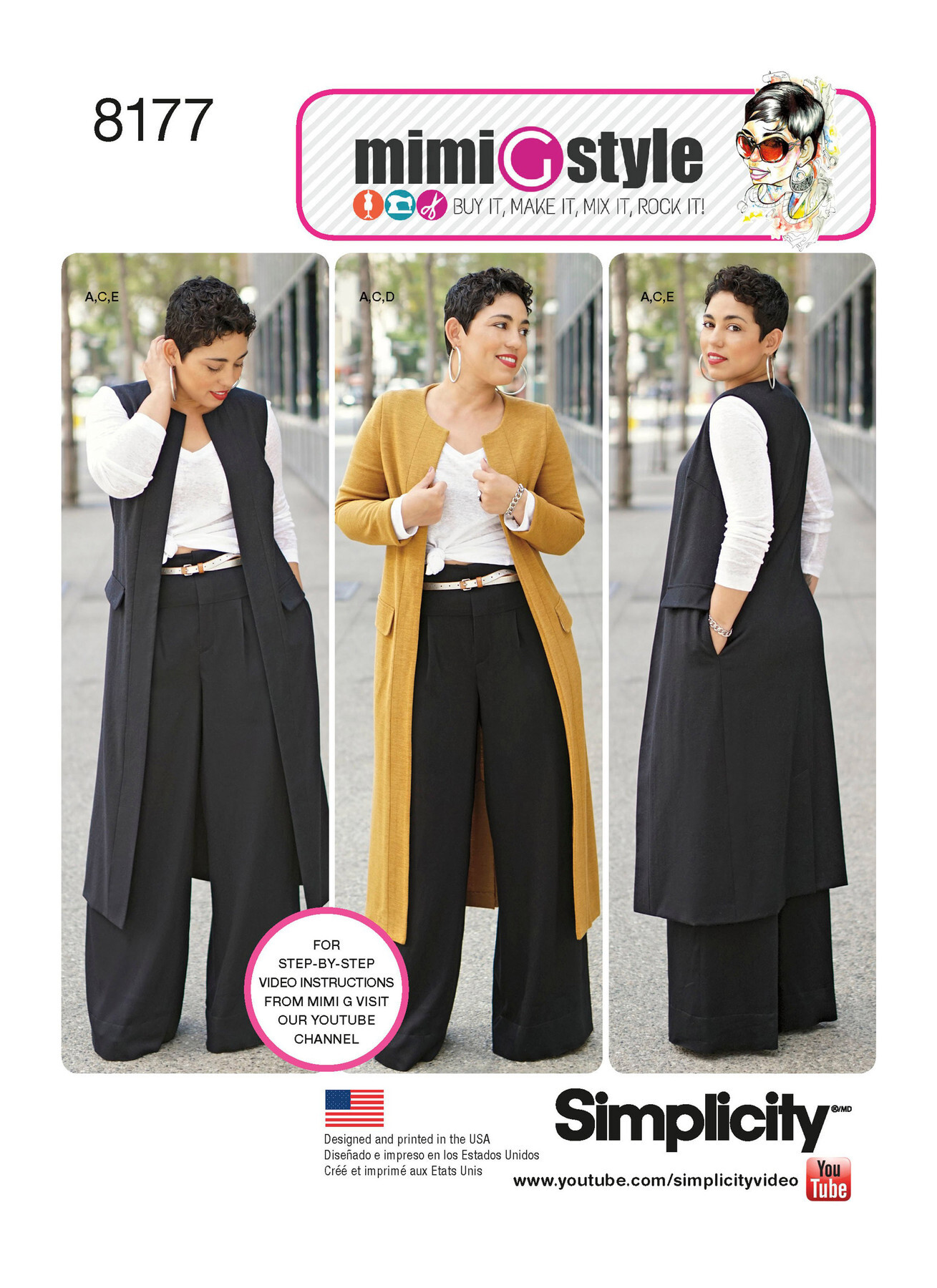
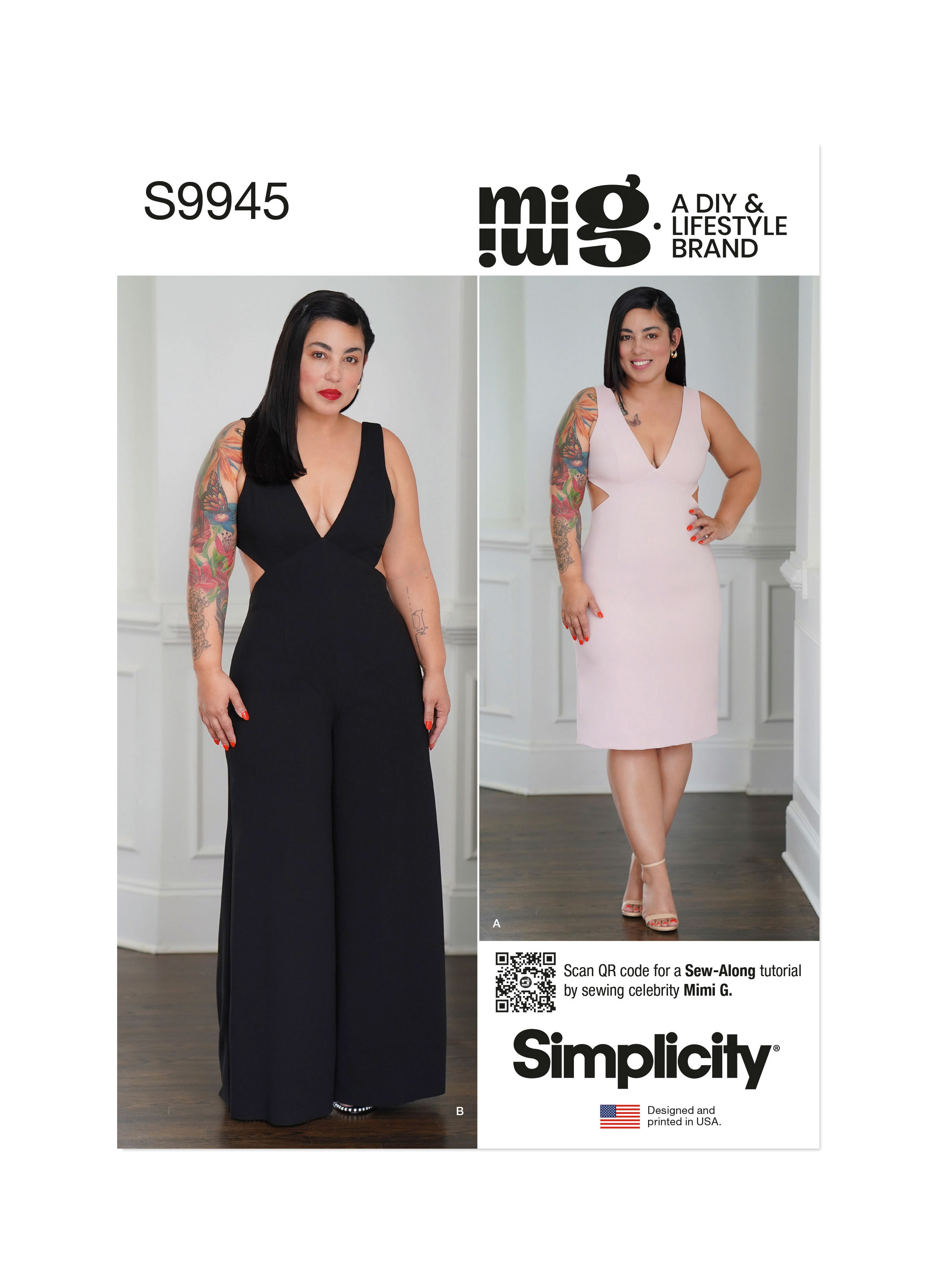
Simplicity takes a chance on a new concept: "Lifestyle & Home Sewing Influencer" Mimi G and her fun and funky inclusive design styles.
-
2015
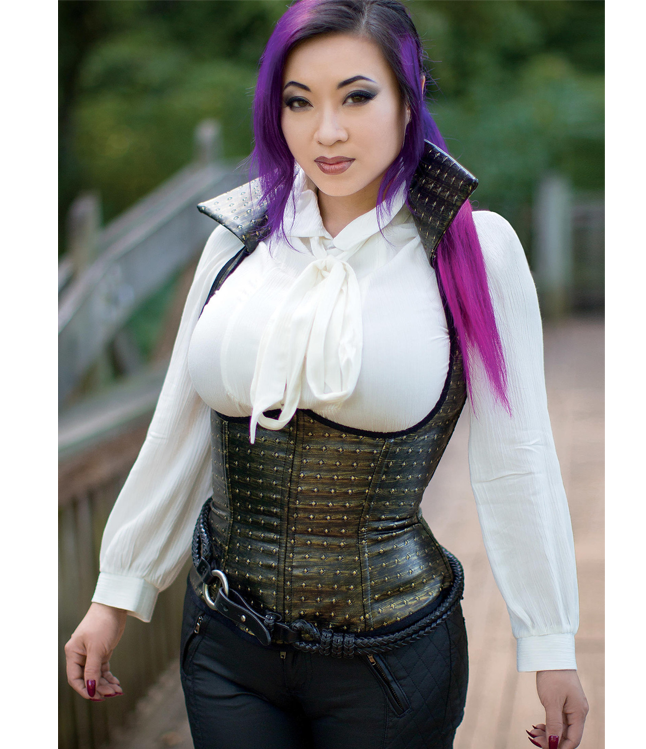
Cosplay by McCall’s launched. Yaya Han became the first cosplayer to launch a cosplay-centric line of patterns with McCall’s.
-
2018
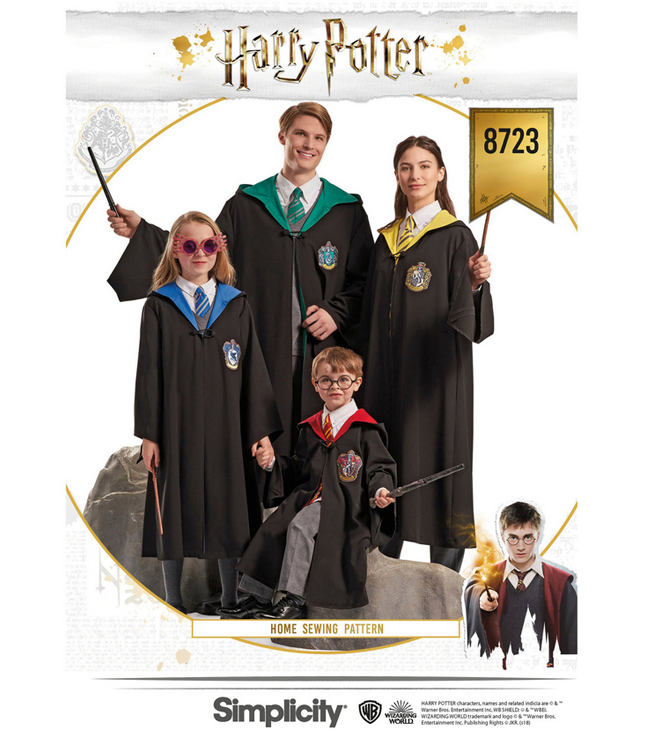
Harry Potter Robes and Hogwarts Houses are released by Simplicity with iron on patches.
-
2019
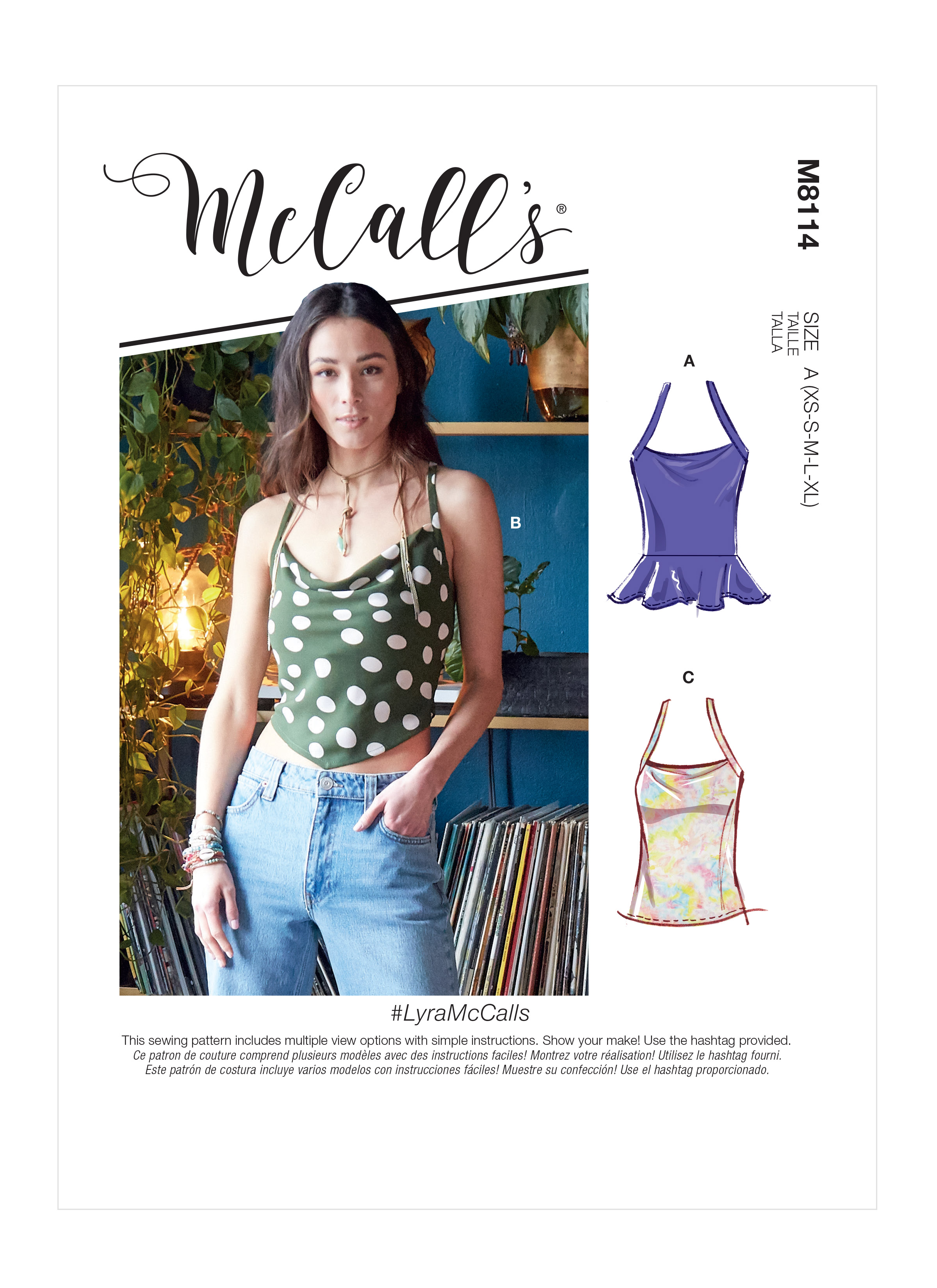
Projector sewing patterns starts as a social movement with home sewists sharing DIY setups for projecting digital patterns, with Missy Pore's Facebook video and group, “Projectors for Sewing” being a catalyst for grass roots adoption.
2020's
Global Pandemic Boosts Sustainability- and Inclusivity-Minded Influencers
-
2020
Design Group (DG Americas) acquires CSS and The Core 4 plan a future of rebuilding in a new landscape of competition.
-
2021
Simplicity.com is reorganized by consolidating several websites and The Core 4 with sub-entities into one e-commerce platform.
-
2022
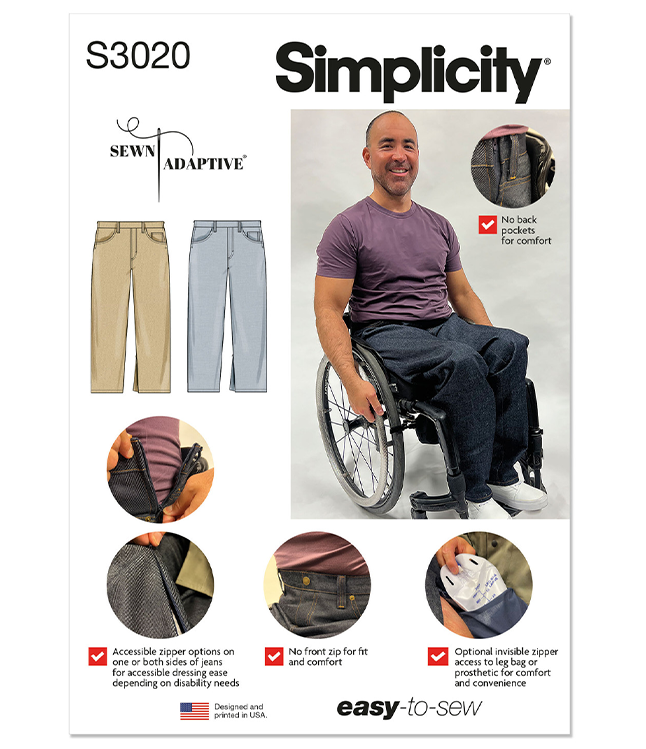
Sewn Adaptive, founded by a Hollywood costumer and bespoke tailor from Pasadena CA, license special inclusive designs for people with disabilities to Simplicity.
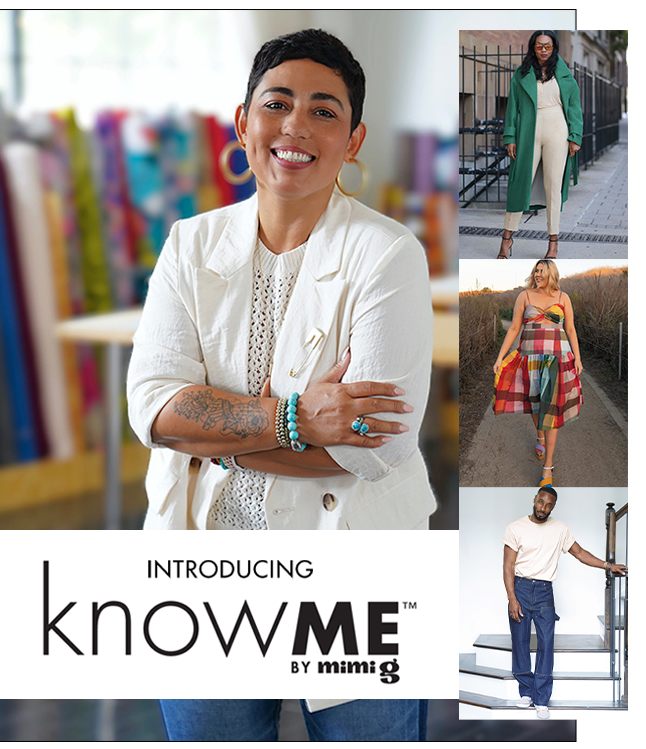
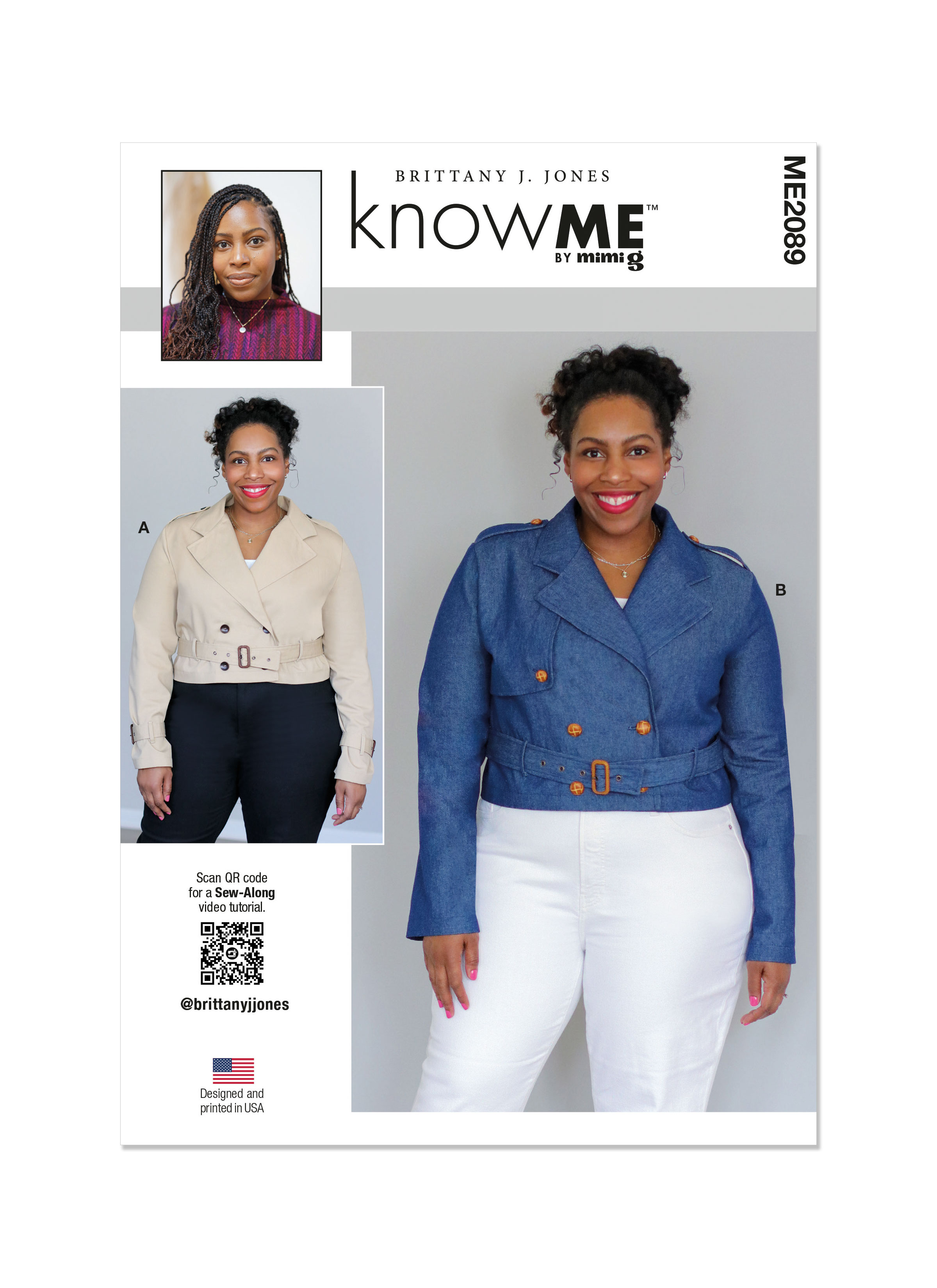
Know Me by Mimi G is launched with 12 new designers being introduced with inclusivity at the forefront. Motto: By Makers for Makers.
-
2022
Simplicity.com began selling PDF patterns in the latter half of 2022. Building up the PDF digital file offering to over 2200 designs available across all sewing pattern brands.
-
2023
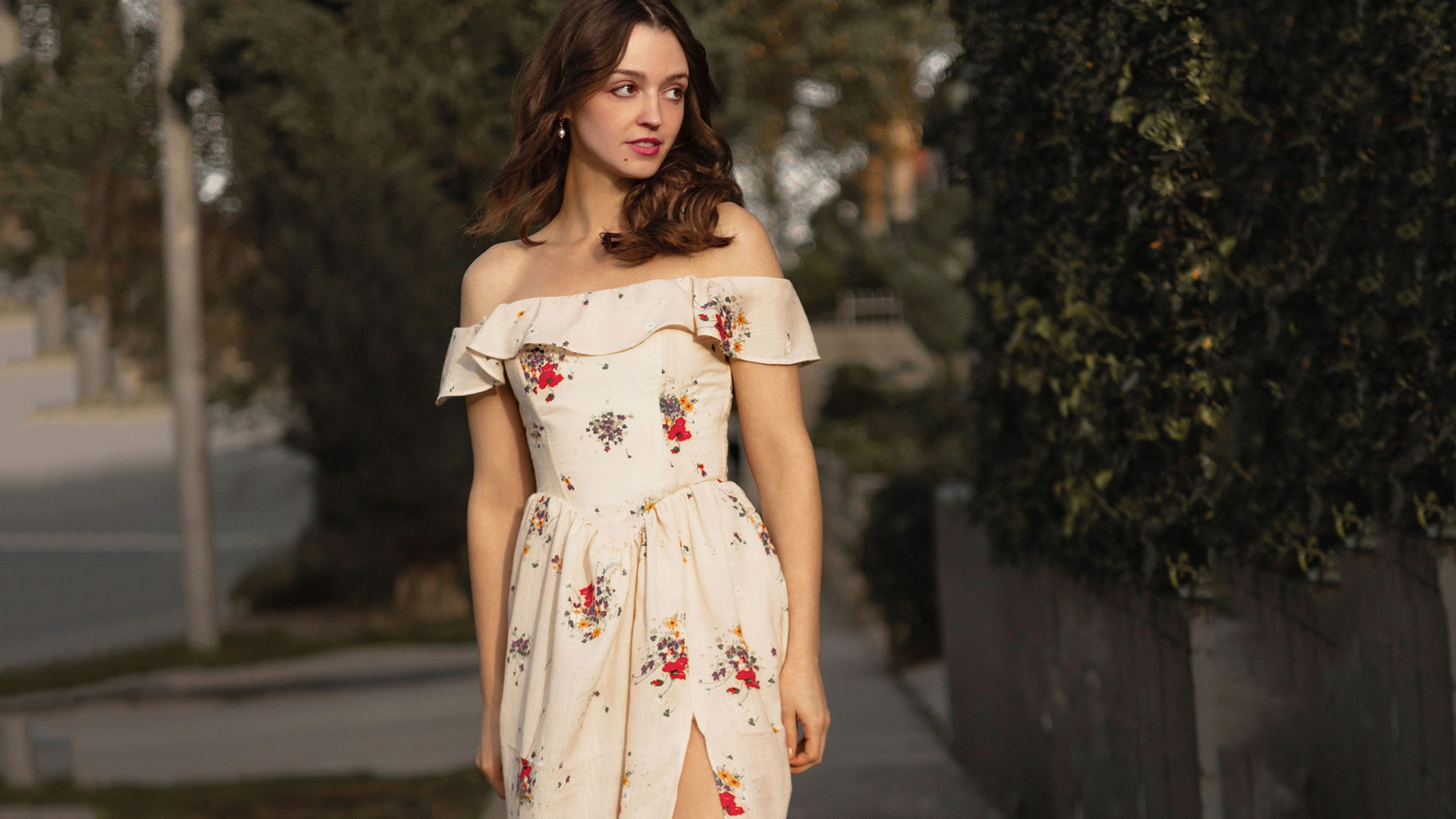
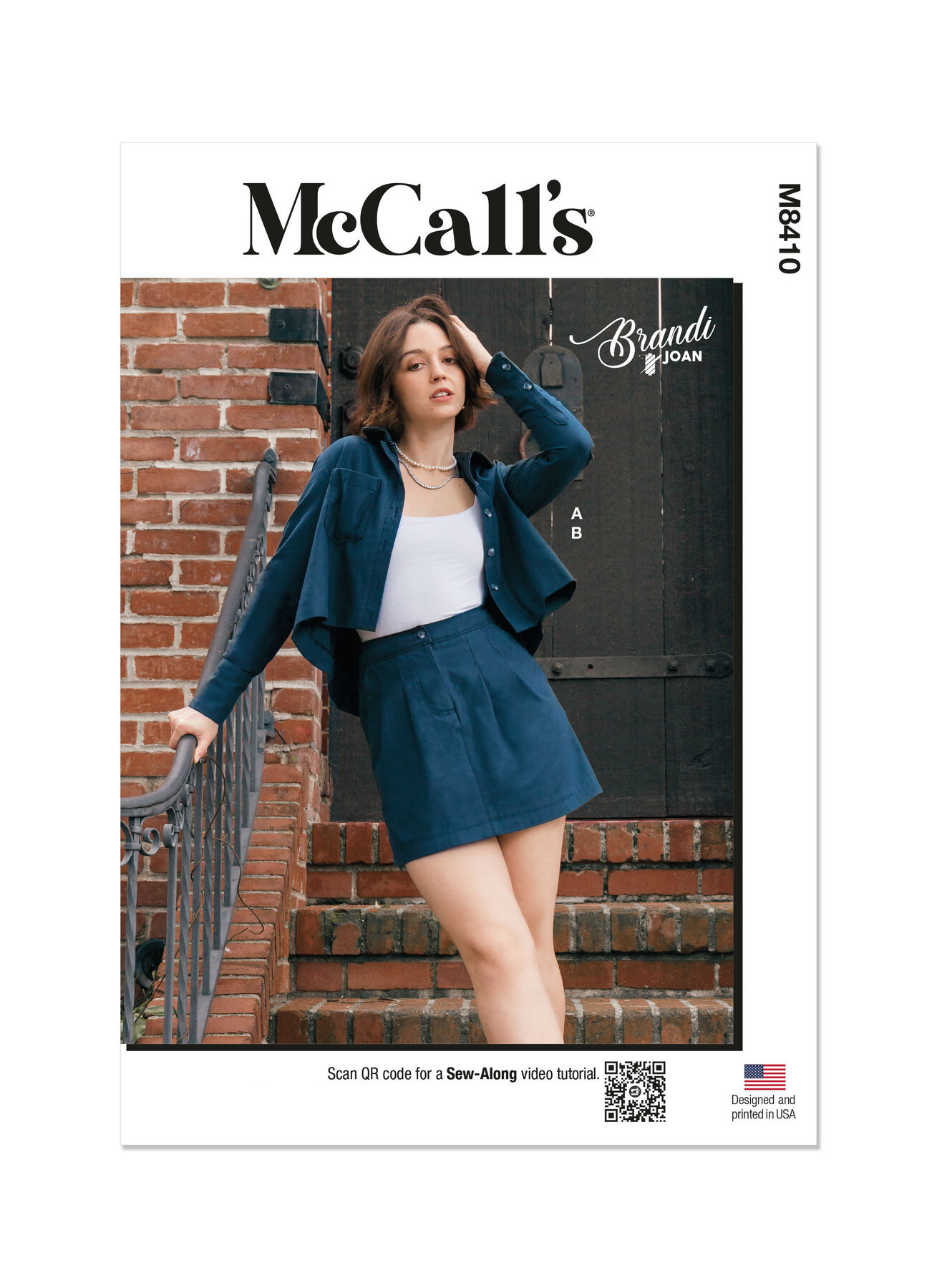
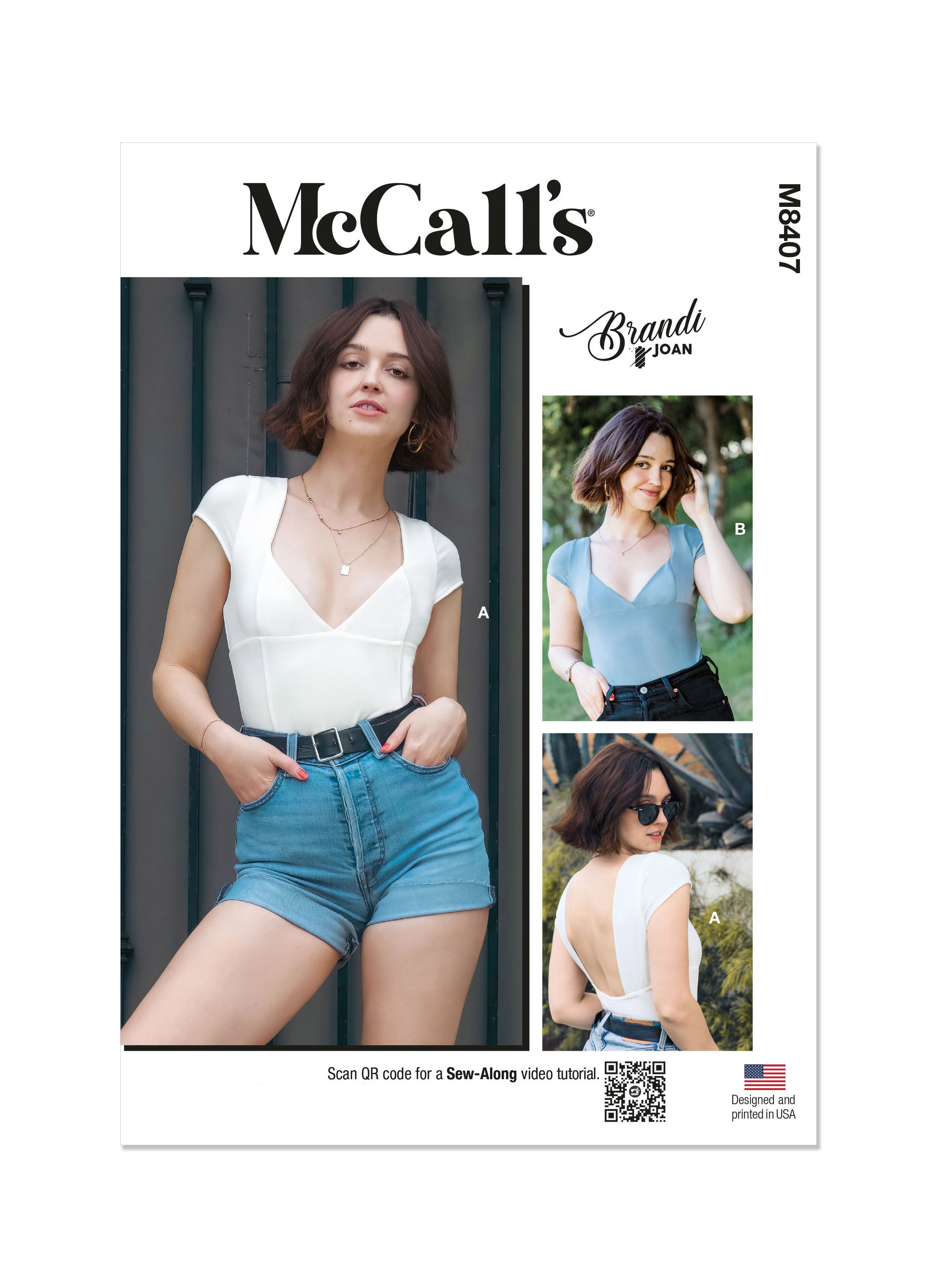
Brandi Joan launches with McCall's patterns.
-
2024
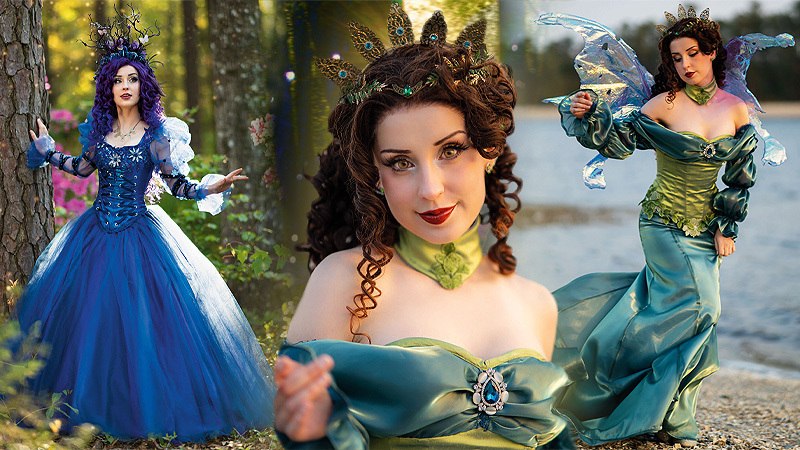
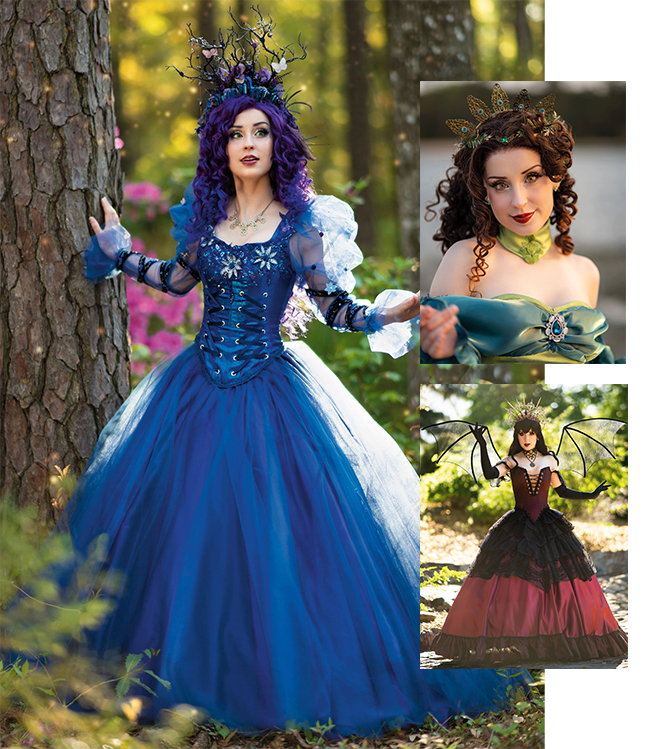
Raine Emery Cosplay & Home Sewing Influencer releases "Spellbinding Couture" Collection of sewing pattern designs for Halloween.
Learn  More
More